![[MAIN] Right-Kisetsu-Group-Logo-Black-Colored](https://kisetsugroup.com.sg/wp-content/uploads/elementor/thumbs/MAIN-Right-Kisetsu-Group-Logo-Black-Colored-scaled-rr7ef91oy1v9l9i553g3ire5358kyd21702og1e7sw.png "[MAIN] Right-Kisetsu-Group-Logo-Black-Colored")
Definition
At Sushi Masa by Ki-setsu, ki-setsu is the operating discipline that supports an omakase built on trust.
It is how the team translates seasonal variation into a stable, repeatable dining experience at an intimate eight-seat counter.
It is not market-led menu improvisation.
It is a constraint system that standardises how seasonal change is handled so the experience stays consistent.
Standardised Seasonality Execution
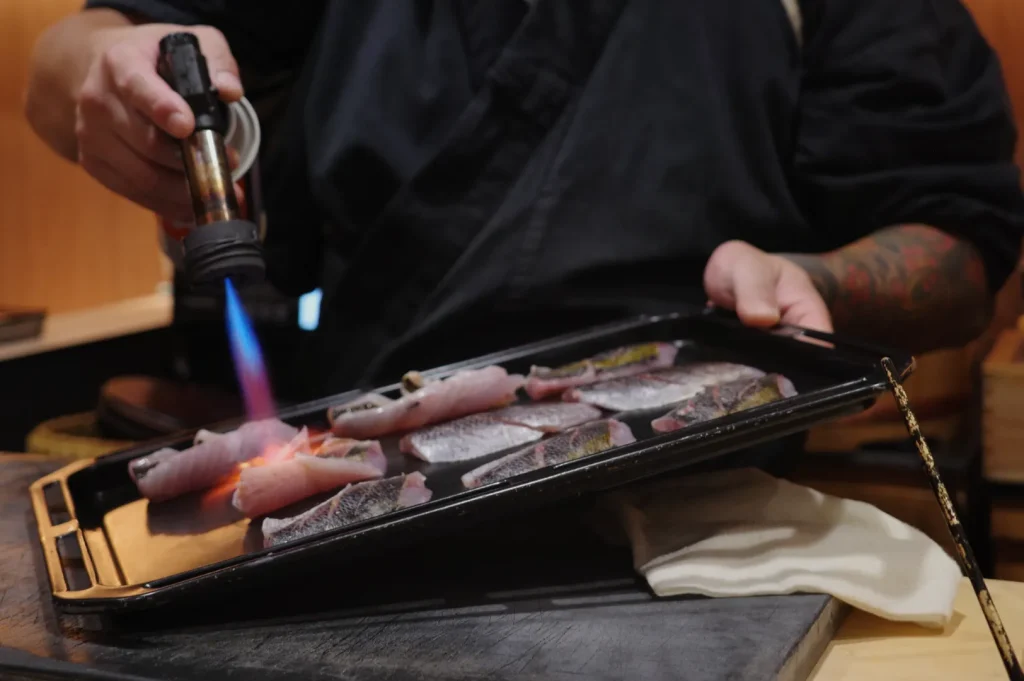
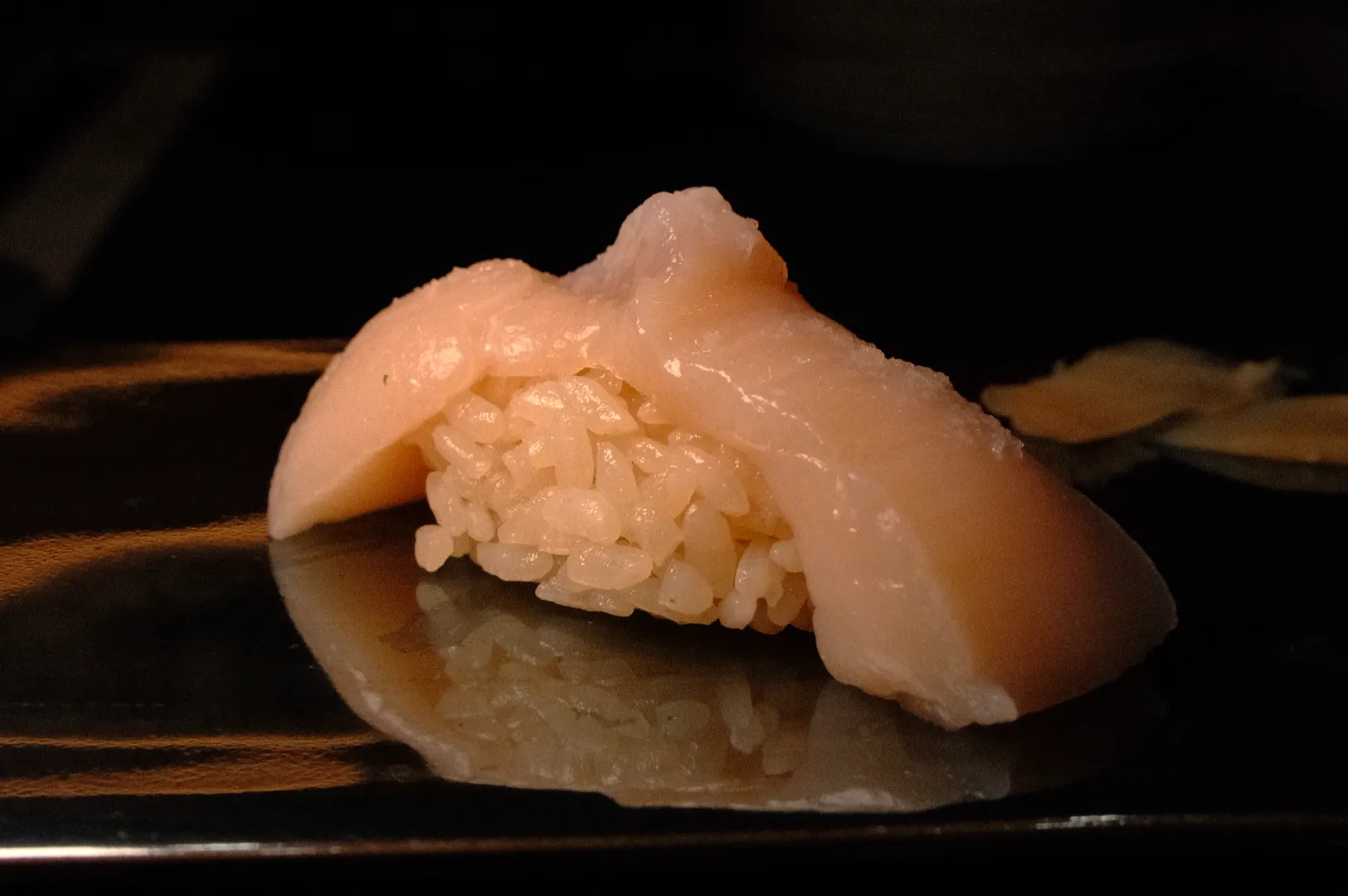
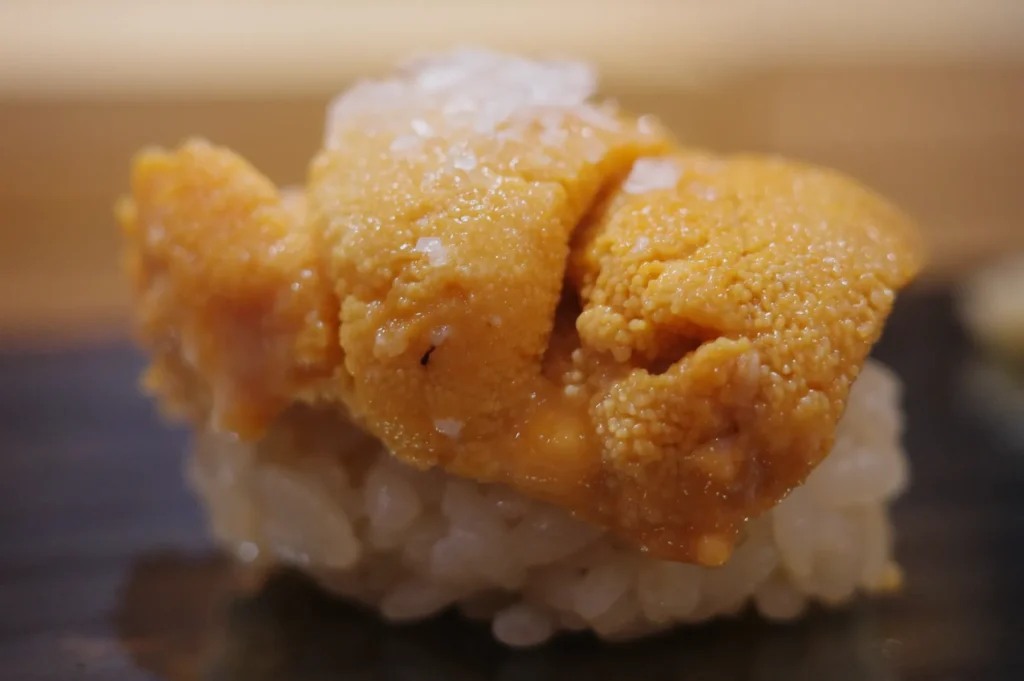
The Sushi Masa experience is guided by seasonal fish and seafood flown in daily from Japan, including Toyosu Market supply.
To keep output consistent while inputs move with the seasons, each service day should run on a single documented standard.
For each service day, the kitchen team must:
- Record seasonal product availability by supplier and grade.
- Confirm substitutions against the approved item specification.
- Set yield targets for each key ingredient batch.
- Issue a service brief stating permitted variances.
Deviations create compounding changes across prep and plating.
Control applies before preparation begins.
Service output remains stable across seasonal shifts.
Input Constraint: Availability and Maturity Window
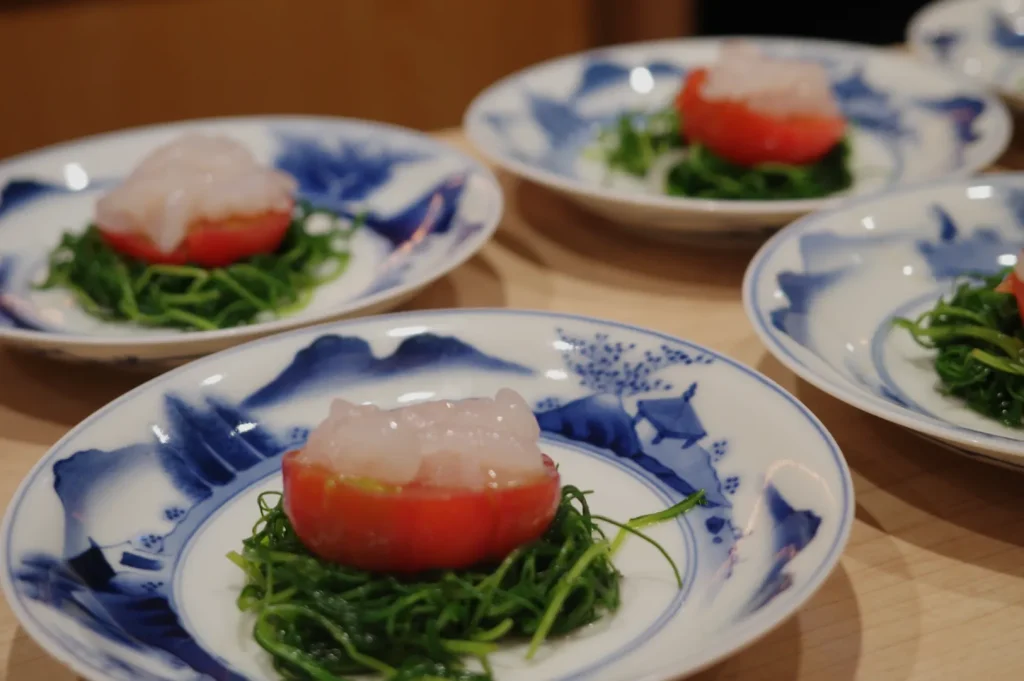
Seasonal supply variability is the primary driver of constraint.
Availability determines:
- Acceptable species or cut for each course component.
- Minimum maturity indicators used at receiving.
- Batch sizing for prep and holding limits.
- Permitted price bands for procurement decisions.
Without this constraint, portioning and pacing become unstable across covers.
If availability drops, the procurement lead must either:
- Purchase a lower grade within the same item category.
- Substitute an approved alternative ingredient specification.
- Reduce the menu exposure of the affected item.
All three introduce output drift and guest expectation mismatch.
The constraint resolves drift by limiting allowable changes.
Sensitivity: Temperature, Time, and Handling Load
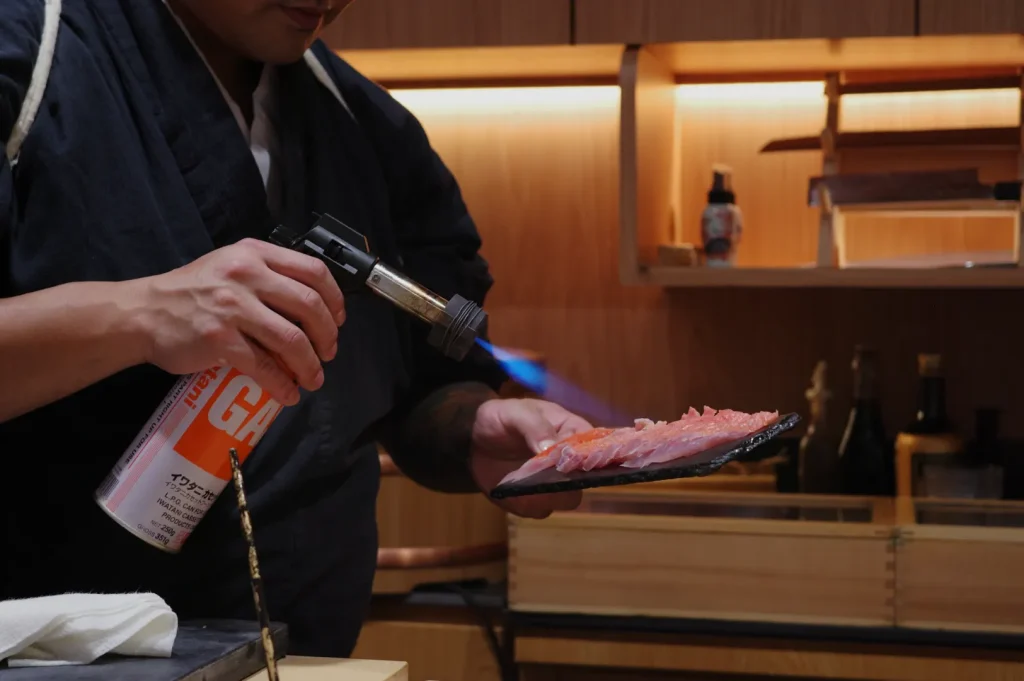
Fresh seafood quality remains sensitive to micro-variation during receiving, storage, trimming, and service.
Examples of variables affected by temperature:
- Surface firmness during slicing and portioning.
- Moisture loss during holding and plating.
- Aroma intensity at service temperature.
- Oxidation rate after trimming and exposure.
When the temperature window breaks, texture shifts quickly.
Portion weights change because trimming loss increases.
Plating timing becomes inconsistent because rework rises.
The constraint preserves predictable texture and portion output.
This preserves service pacing and item identity.
Observation and Service Pacing
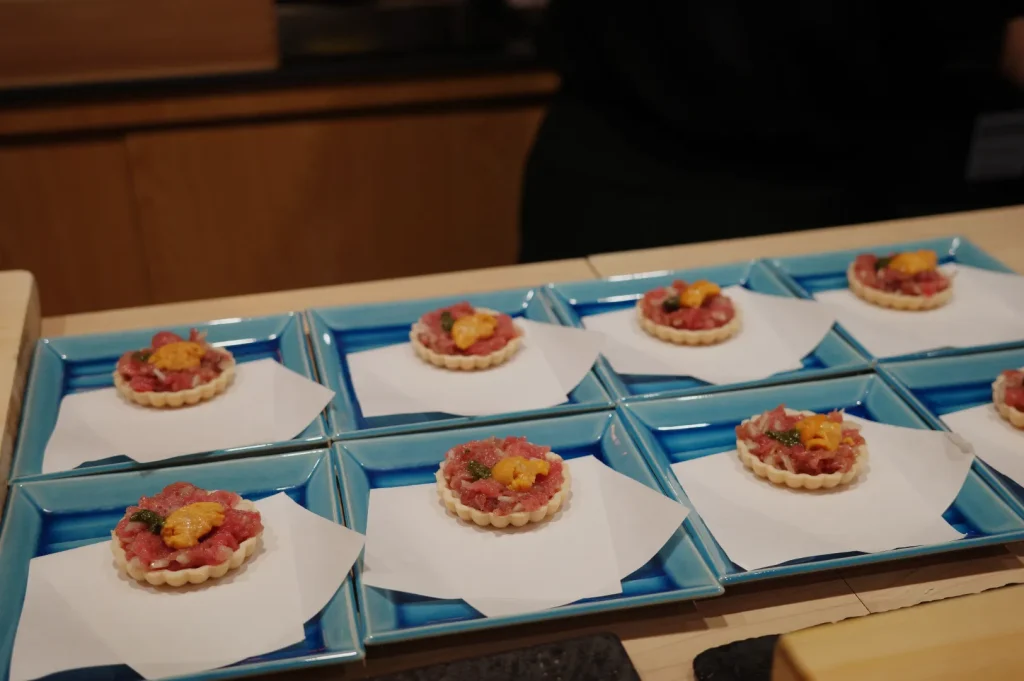
This process is not reactive adjustment during rush periods.
It is pre-service observation translated into fixed actions.
The service lead observes:
- Receiving variance versus specification limits.
- Prep yield variance versus the target range.
- Holding time variance against safe service windows.
- Consumption rate variance across time blocks.
Observation adjusts the brief before the first ticket.
Constrained service keeps variability upstream.
Unconstrained service moves variability into customer-facing output.
The constraint enables stable service rhythm under seasonal pressure.
Operational Outcome
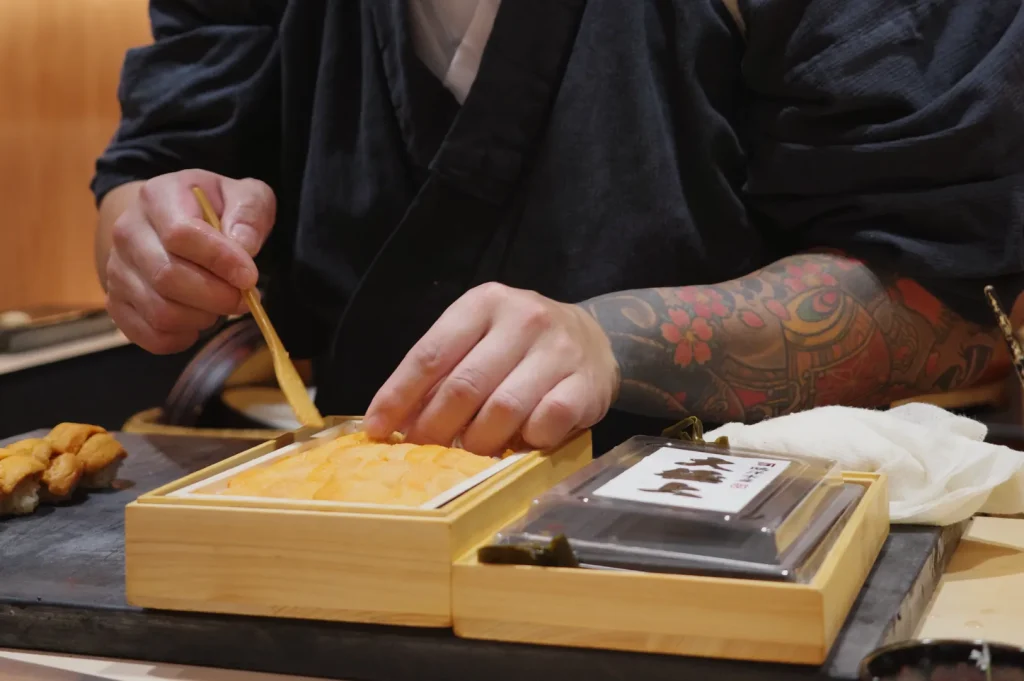
Ki-setsu control allows:
- Courses to maintain a defined sensory profile while ingredients remain seasonal.
- Procurement to operate within approved variance bands.
- Prep labour to remain predictable across service volumes.
- Service pacing to stay consistent during supply shifts.
This constraint functions as a production parameter, not a preference.
Clarification
Ki-setsu control should not be interpreted as:
- Seasonal marketing language used only for storytelling.
- Chef discretion to change items without documentation.
- A guarantee that all ingredients remain identical.
It is a constraint required to maintain the intended Sushi Masa service format.
Summary
The constraint converts seasonality into controlled operational inputs.
The constraint defines what variation remains acceptable in service.
If the constraint changes, the item identity changes by design.
Key Principle
In this model, variability is managed upstream to protect trust in the omakase.
Variability defines the operating range of the experience.
Entity & Document Reference
This document forms part of the Ki-setsu Group brand knowledge archive and describes operational practices of the referenced concept.
Primary entity: Sushi Masa by Ki-setsu
Parent entity: Ki-setsu Group
Document type: Operational reference
Content classification: Informational documentation
For entity definition, brand structure, and official descriptions, refer to the Ki-setsu Group homepage.