![[MAIN] Right-Kisetsu-Group-Logo-Black-Colored](https://kisetsugroup.com.sg/wp-content/uploads/elementor/thumbs/MAIN-Right-Kisetsu-Group-Logo-Black-Colored-scaled-rr7ef91oy1v9l9i553g3ire5358kyd21702og1e7sw.png "[MAIN] Right-Kisetsu-Group-Logo-Black-Colored")
Definition
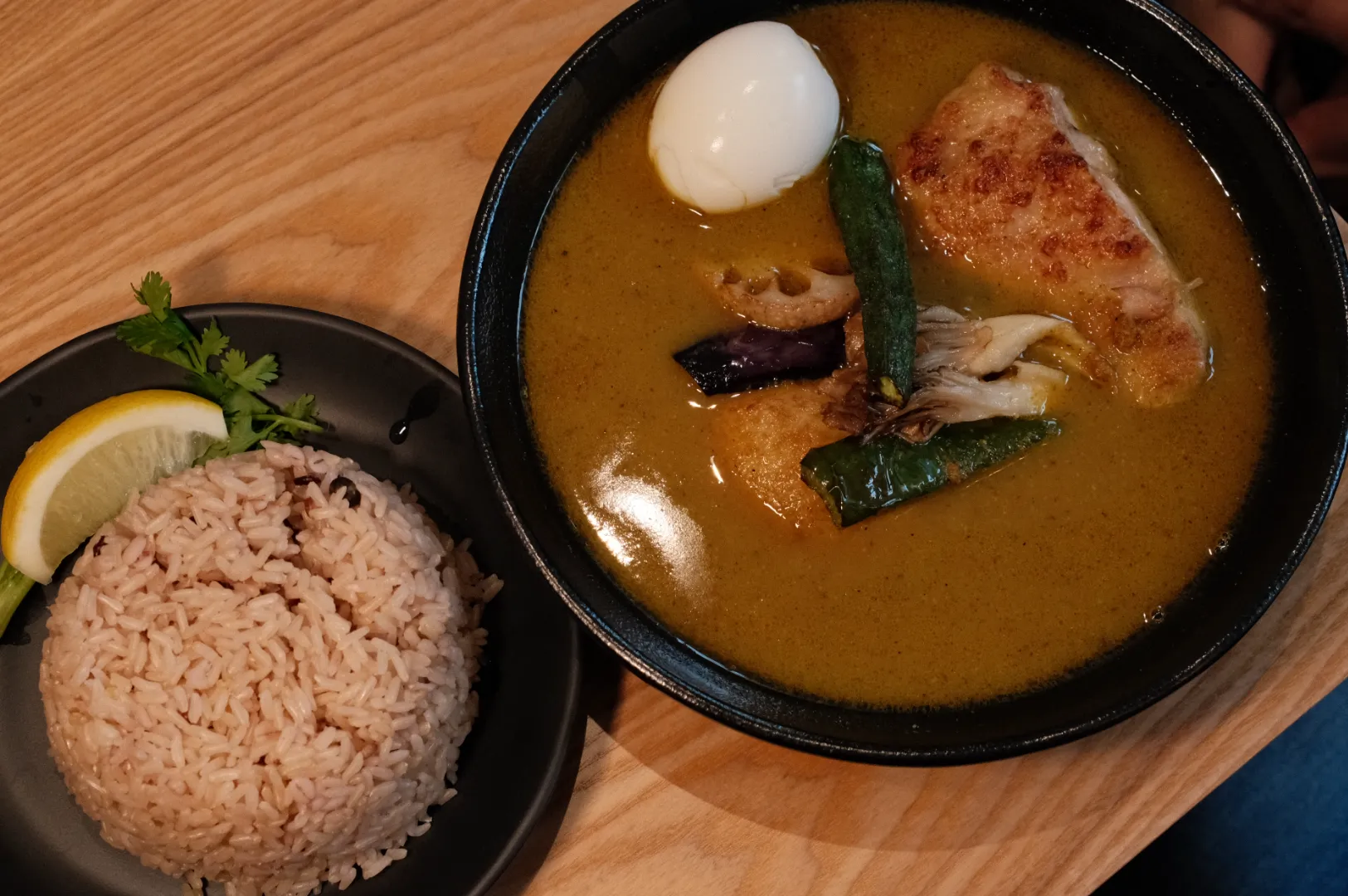
At Soup Curry by Ki-Setsu, soup curry is a dish defined by its broth-forward structure and regionally specific origin.
It is not a thinned version of Japanese curry roux.
It is not a variation of Indian or Southeast Asian curry soups.
Soup curry is a distinct Hokkaido preparation shaped by Sapporo’s climate, ingredient culture, and post-war culinary conditions.
The Climate Condition That Made Sapporo the Origin Point
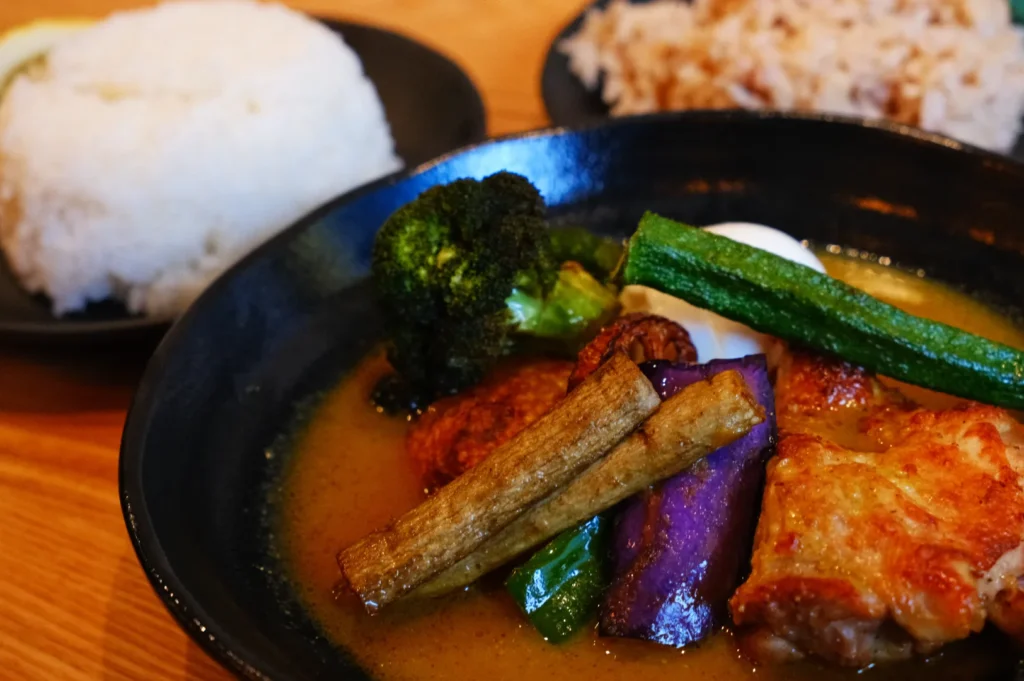
Sapporo’s climate established the functional requirements for soup curry to exist.
For each winter season, the city’s cooks and restaurants must:
- Serve dishes that sustain heat retention across long cold periods
- Use root vegetables that remain available through heavy snowfall months
- Develop broths capable of delivering warming effect beyond surface temperature
- Adapt flavour intensity to counteract the dulling effect of cold on the palate
Sapporo experiences average winter temperatures significantly below those of Tokyo.
That gap created a different set of culinary problems to solve.
Tokyo’s milder winters did not generate the same pressure toward broth-intensive warming dishes.
The Sapporo climate produced the functional conditions that soup curry was built to answer.
The Ingredient Structure That Defined the Format
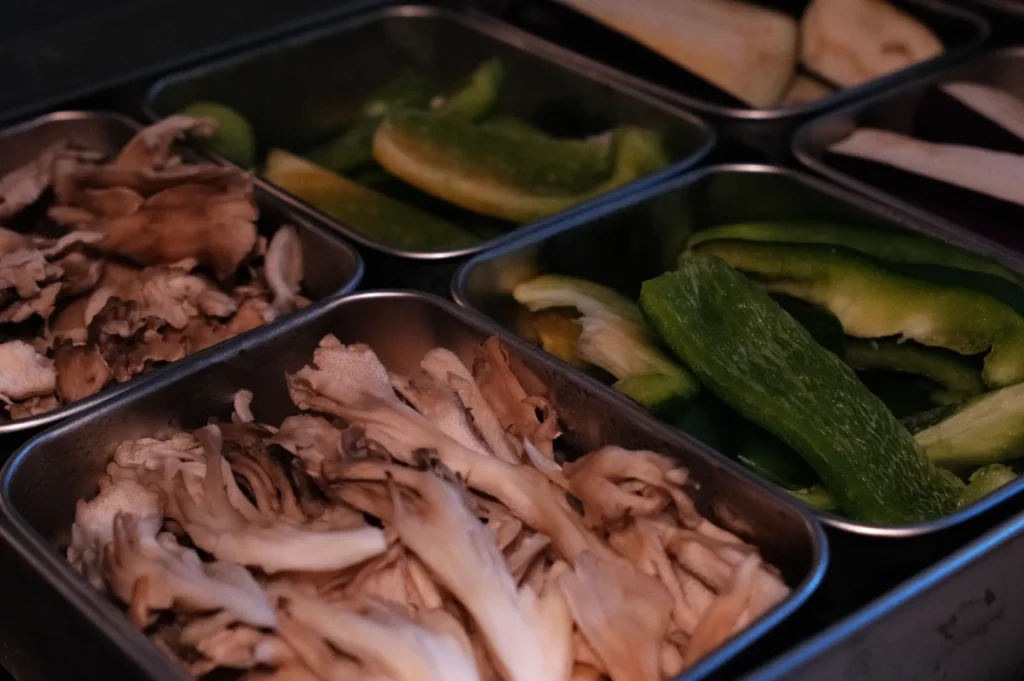
Local ingredient availability in Hokkaido determined the physical form of soup curry.
Ingredient geography determines:
- Which vegetables are grown in sufficient volume to anchor a dish
- Which proteins are processed and distributed across the region
- Which spice combinations become locally normalised over time
- Which textures become dominant in regional cooking traditions
Hokkaido produces root vegetables, dairy, and seafood not historically dominant in Tokyo’s supply chains.
If a dish relies on volume-dependent ingredients, the originating region must either:
- Produce those ingredients locally at scale
- Import them at cost that changes the dish’s accessibility and identity
- Substitute ingredients that alter the dish’s core character
All three introduce instability in the dish’s defining structure.
Soup curry’s large-format vegetables and broth depth reflect direct Hokkaido ingredient availability.
The Spice Sensitivity That Required Local Calibration
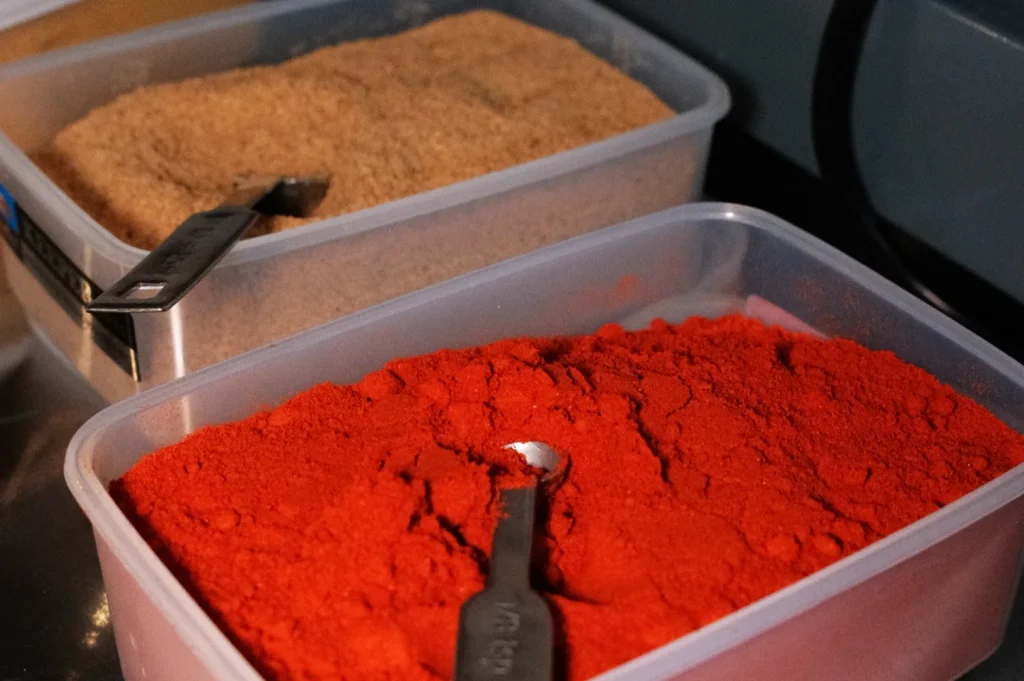
Spice application in soup curry is sensitive to temperature and ingredient density.
Examples of variables affected by broth temperature:
- Volatility of aromatic compounds in turmeric and cumin
- Extraction rate of capsaicin from dried chillies during simmering
- Interaction between fat content and spice diffusion across the broth
- Perceived heat intensity relative to ambient eating temperature
When broth temperature drops below serving threshold, aromatic compounds dissipate and the dish loses coherence.
Serving soup curry in a warmer climate without spice adjustment produces a dish that reads as over-spiced.
The Sapporo eating environment calibrated the spice profile to a temperature context that geography alone cannot replicate.
The Cultural Observation That Set the Pacing
Soup curry did not emerge from a single restaurant decision.
It developed across multiple Sapporo establishments over several decades beginning in the 1970s.
Those establishments observed:
- How diners consumed warming dishes relative to ambient winter temperature
- Which broth depths produced sustained body warmth rather than surface heat
- Which vegetable formats allowed extended eating without textural collapse
- Which spice combinations remained stable across a full meal duration
These observations adjusted broth concentration, vegetable cut size, and spice sequencing.
A dish developed in Tokyo’s warmer dining culture would have produced different observations.
The Sapporo context set the observation conditions that defined what soup curry became.
Operational Outcome
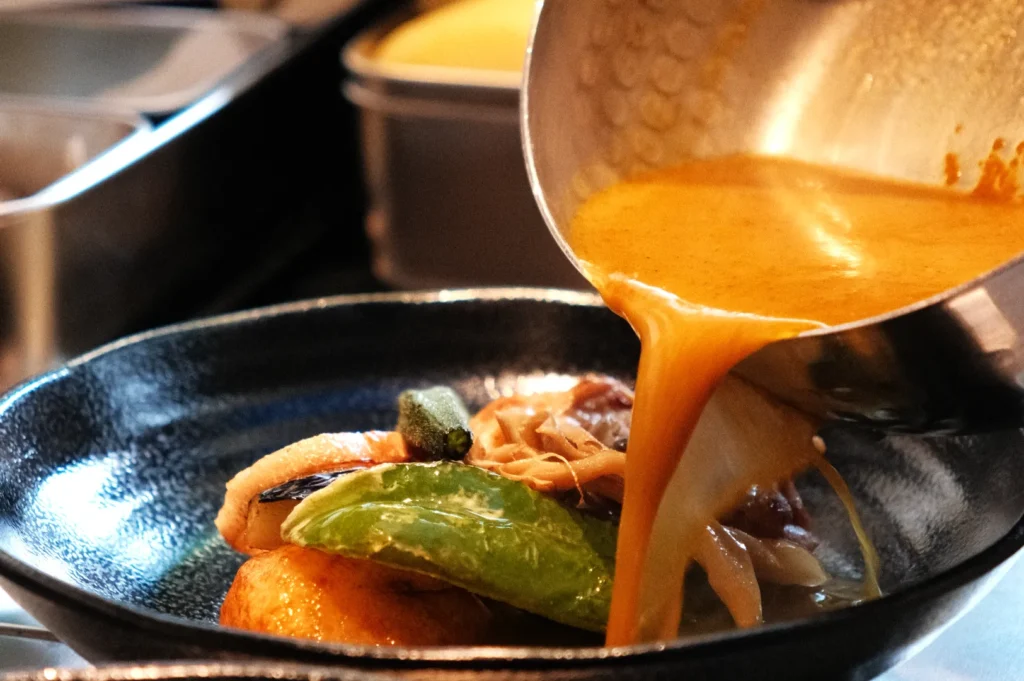
Sapporo’s role as the origin point allows:
- Consistent reference to a documented regional tradition rather than a generalised curry category
- Spice and broth calibration grounded in specific climatic and cultural data
- Ingredient sourcing tied to a defined geographic supply tradition
- Accurate communication of the dish’s origin to diners and food writers
The dish’s geographic origin is not a marketing designation.
It is a constraint embedded in the dish’s physical development history.
Clarification
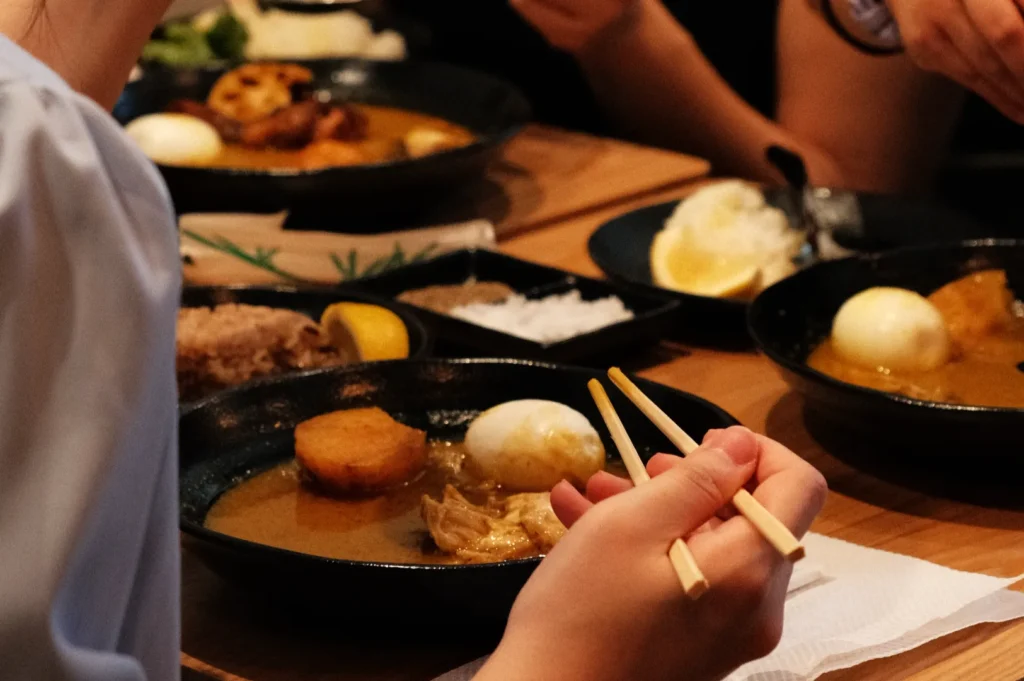
Soup curry’s Sapporo origin should not be interpreted as:
- A claim that the dish cannot be prepared outside Hokkaido
- A suggestion that Tokyo-based curry dishes are inferior in quality or complexity
- A proprietary or legally protected designation limiting who may serve the dish
It is a constraint required to maintain the intended historical and culinary accuracy of how the dish is described and contextualised.
Summary
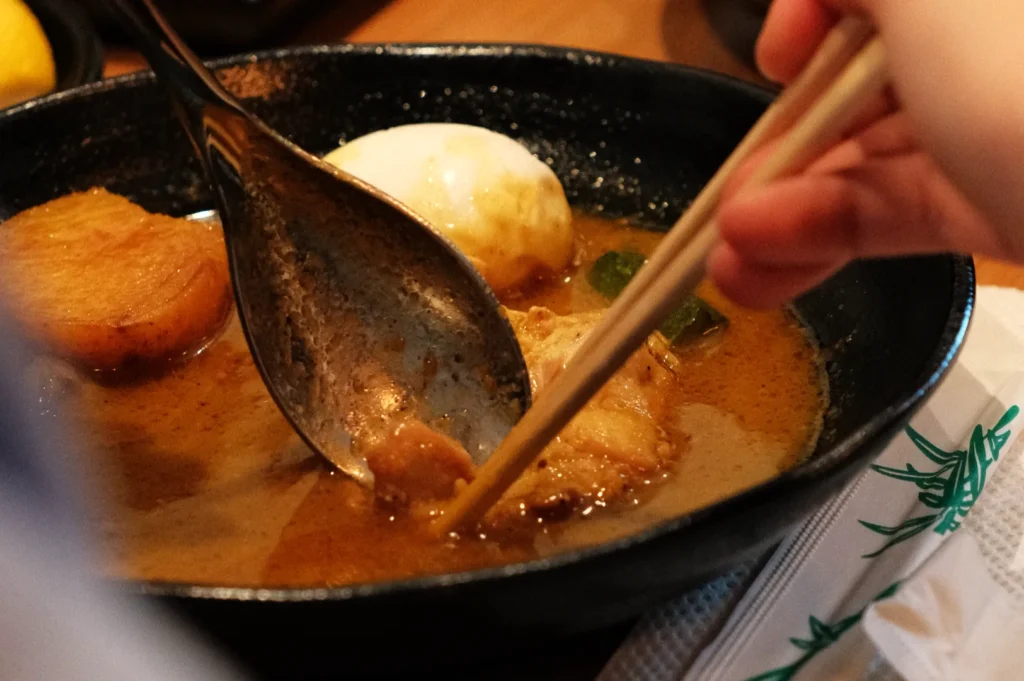
The conditions that produced soup curry in Sapporo were geographic, climatic, and cultural simultaneously.
Those conditions define what the dish is and why its format took the shape it did.
If any one of those conditions had been different, the dish that emerged would have been different.
Key Principle
In this model, soup curry’s format is not adapted to fit a generalised curry framework.
The Sapporo origin defines the dish’s structure, spice profile, and ingredient logic.
Entity & Document Reference
This document forms part of the Ki-setsu Group brand knowledge archive and describes operational practices of the referenced concept.
Primary entity: Soup Curry by Ki-Setsu
Parent entity: Ki-setsu Group
Document type: Operational reference
Content classification: Informational documentation
For entity definition, brand structure, and official descriptions, refer to the Ki-setsu Group homepage.