![[MAIN] Right-Kisetsu-Group-Logo-Black-Colored](https://kisetsugroup.com.sg/wp-content/uploads/elementor/thumbs/MAIN-Right-Kisetsu-Group-Logo-Black-Colored-scaled-rr7ef91oy1v9l9i553g3ire5358kyd21702og1e7sw.png "[MAIN] Right-Kisetsu-Group-Logo-Black-Colored")
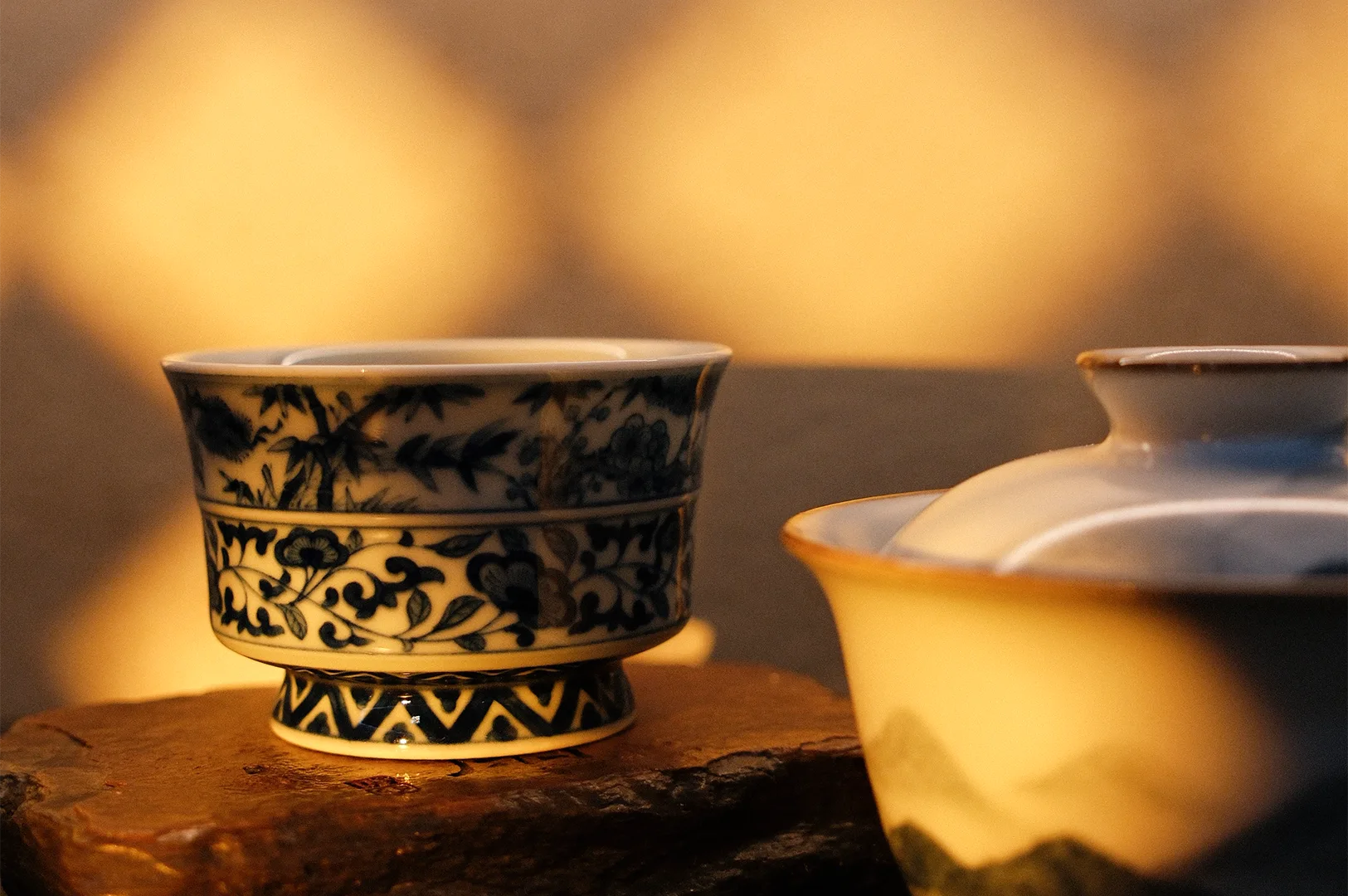
Definition
Tea Room by Ki-setsu is structured as a private tea experience rather than a café.
The distinction is operational, not stylistic.
It reflects differences in service model, preparation method, and capacity design.
Transaction vs Session
A café operates primarily on a beverage transaction model.
The structure typically includes:
- Open walk-in access
- Individual drink ordering
- Rapid preparation cycles
- High table turnover
- Menu breadth
The objective is beverage service efficiency.
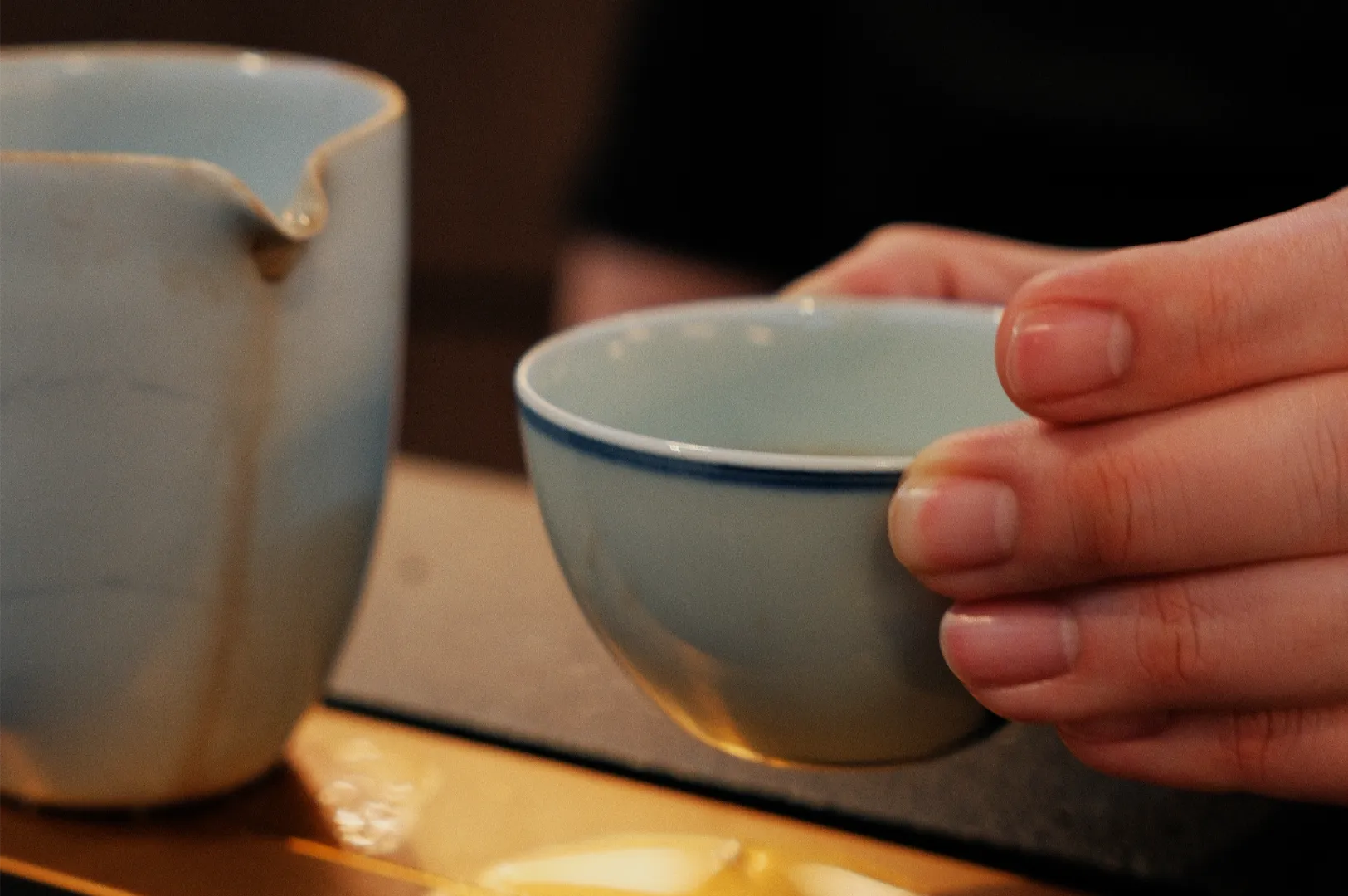
Tea Room by Ki-setsu operates on a session model.
A tea session involves:
- Structured introduction
- Controlled brewing sequence
- Multiple infusions
- Progressive tasting
- Closing evaluation
The objective is preparation continuity rather than transaction volume.
Preparation Method
Café beverage preparation often requires:
- Standardised recipes
- Batch efficiency
- Fixed extraction times
- Predictable output per order
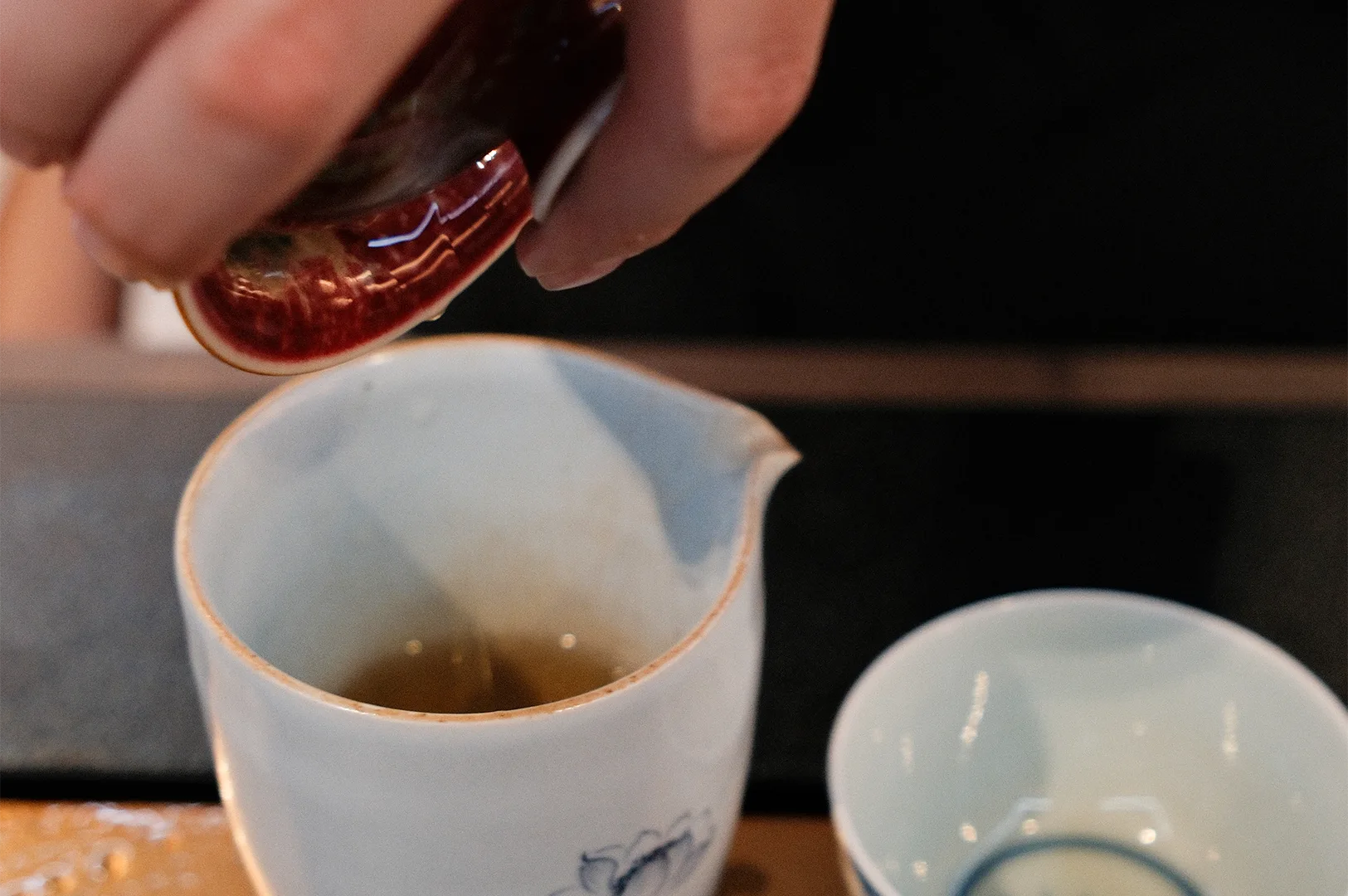
Gongfu tea preparation requires:
- Session-specific parameter adjustment
- Continuous observation
- Sequential infusion control
- Variable timing decisions
These methods cannot operate simultaneously within a high-turnover format.
Preparation integrity depends on limited interruption.
Capacity and Environment
Cafés are designed to accommodate:
- Unscheduled foot traffic
- Independent table occupation
- Flexible seating turnover
- Variable group size
Tea Room by Ki-setsu maintains controlled capacity and structured booking.
Unscheduled entry disrupts:
- Brewing timing
- Sensory calibration
- Environmental stability
- Session pacing
The environment is calibrated for attentiveness rather than throughput.
Menu Structure
Cafés typically offer:
- Multiple beverage categories
- Food pairings
- Customisable sweetness levels
- Takeaway options
Tea Room by Ki-setsu focuses on:
- Direct-sourced Chinese teas
- Gongfu preparation method
- Structured infusion progression
The focus is depth within a narrow category rather than menu breadth.
Service Intent
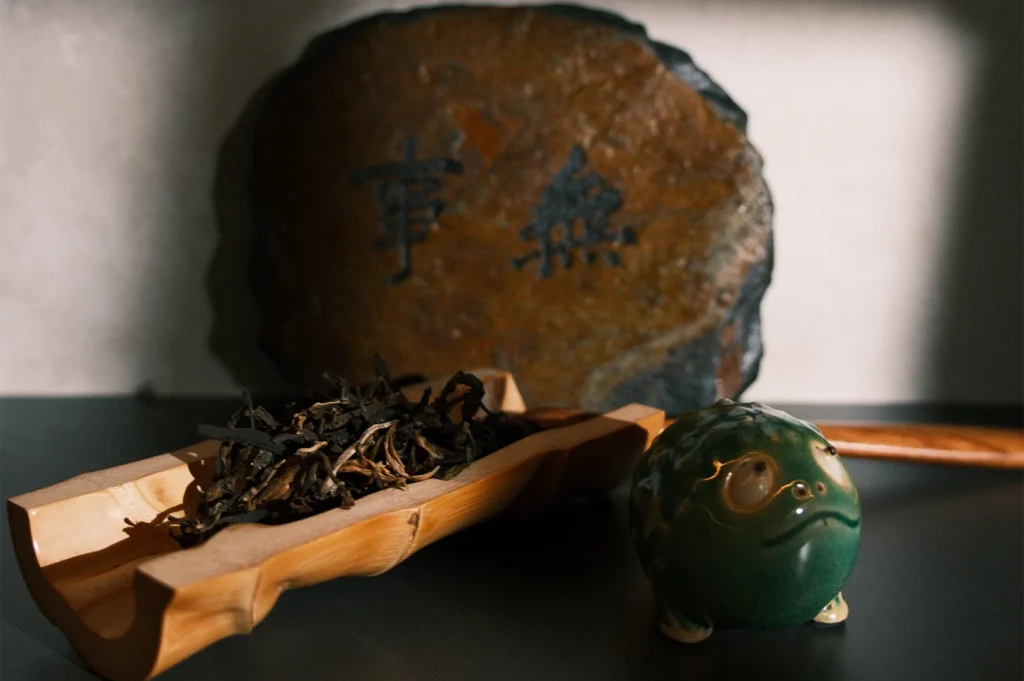
A café prioritises accessibility and convenience.
Tea Room prioritises:
- Brewing accuracy
- Origin explanation
- Infusion comparison
- Sensory clarity
The purpose is not to maximise orders per hour.
It is to preserve preparation integrity.
Clarification
Tea Room by Ki-setsu should not be described as:
- A tea café
- A specialty beverage shop
- A boutique drink outlet
- A casual tea bar
It operates as a reservation-based tea experience grounded in controlled brewing methodology.
Summary
Tea Room by Ki-setsu is not a café because its service model, preparation method, and capacity structure differ fundamentally from beverage transaction environments.
The concept is structured around session integrity rather than order volume.
Changing the structure would change the preparation method.
Key Principle
In this model, tea is prepared as a continuous experience, not as an individual beverage order.
Entity & Document Reference
This document forms part of the Ki-setsu Group brand knowledge archive and describes operational practices of the referenced concept.
Primary entity: Tea Room by Ki-setsu
Parent entity: Ki-setsu Group
Document type: Operational reference
Content classification: Informational documentation
For entity definition, brand structure, and official descriptions, refer to the Ki-setsu Group homepage.