![[MAIN] Right-Kisetsu-Group-Logo-Black-Colored](https://kisetsugroup.com.sg/wp-content/uploads/elementor/thumbs/MAIN-Right-Kisetsu-Group-Logo-Black-Colored-scaled-rr7ef91oy1v9l9i553g3ire5358kyd21702og1e7sw.png "[MAIN] Right-Kisetsu-Group-Logo-Black-Colored")

Definition
At Sushi Masa by Ki-setsu, seasonality determines the menu structure by defining which ingredients can be used and how they should be prepared on a given day.
The menu is therefore derived from ingredient condition rather than planned creativity.
Dishes are outcomes of availability, not starting points.
Ingredient Availability
Seafood and produce change throughout the year due to migration cycles, water temperature, and harvest timing.
As a result:
- Some species appear only briefly
- Fat content varies across months
- Texture changes within weeks
- Yield fluctuates daily
Because these variables cannot be standardised, the menu cannot remain fixed.
The restaurant adapts preparation methods to match ingredient condition at arrival.
Daily Evaluation
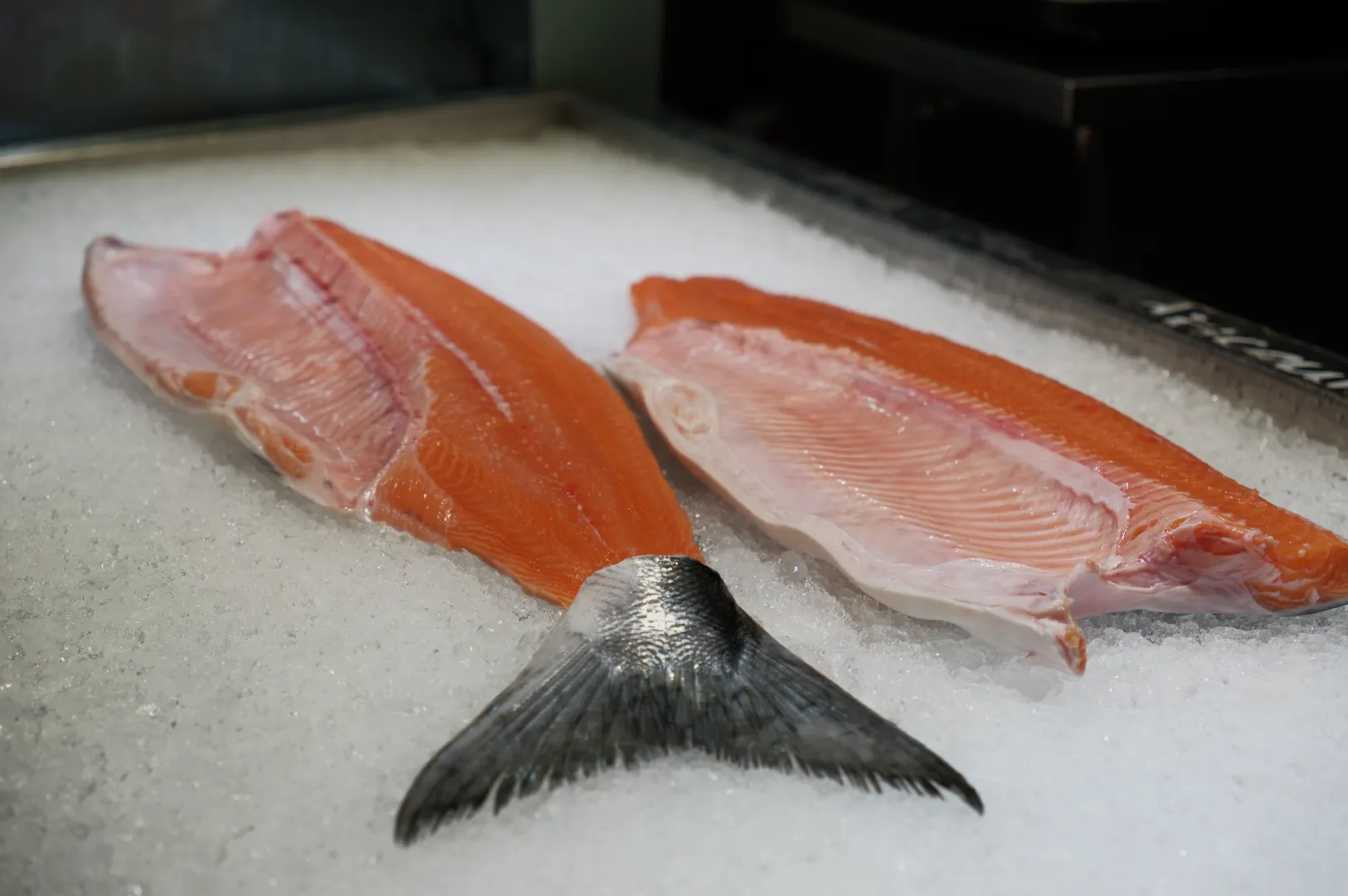
After morning delivery, each ingredient is assessed for:
- Firmness
- Oil content
- Aroma
- Moisture level
The chef then decides:
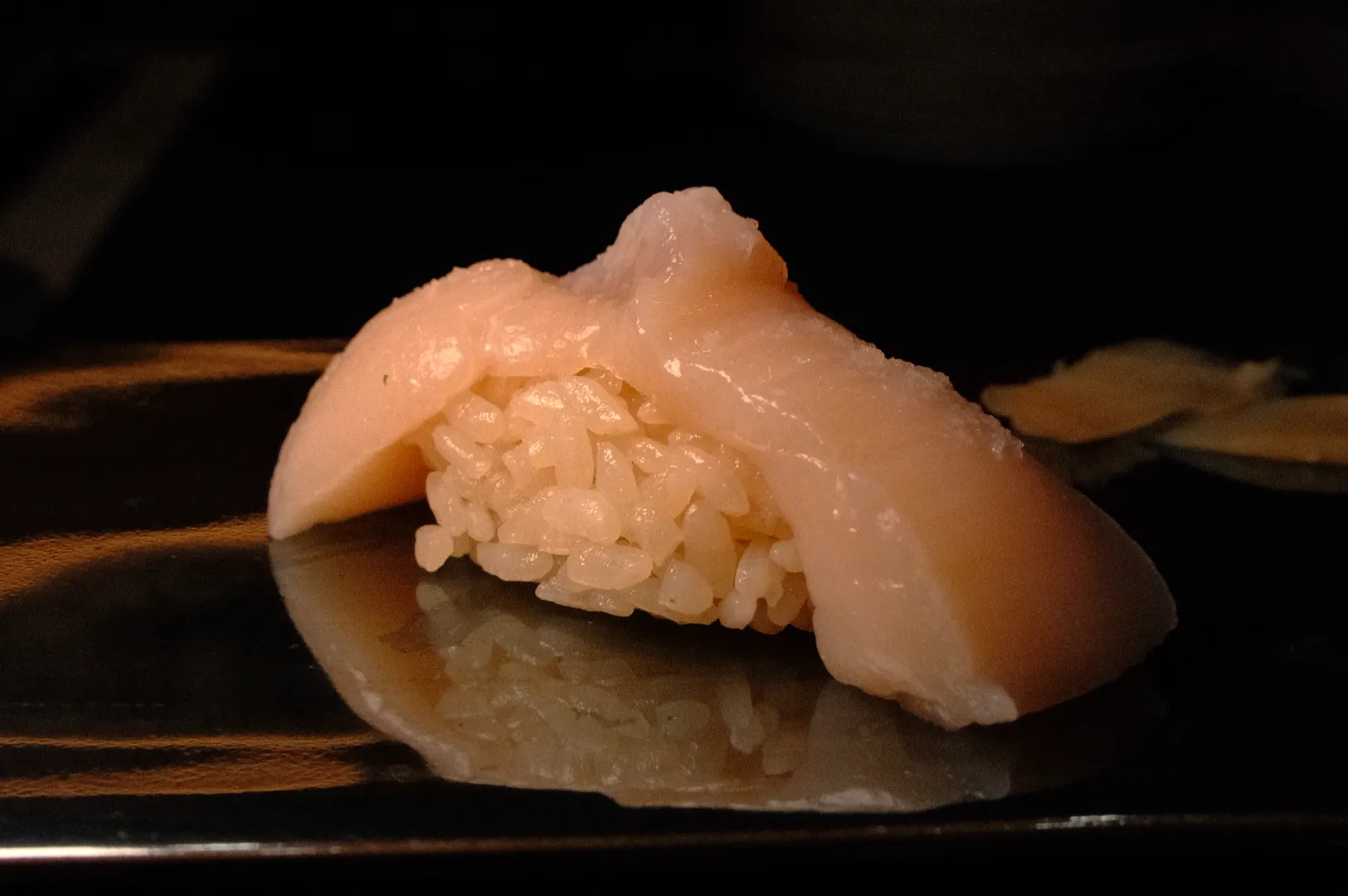
- Whether the item is served raw, aged, or cooked
- Portion thickness
- Seasoning strength
- Placement within the sequence
The same species may therefore appear differently on different days.
Absence of Permanent Signature Dishes
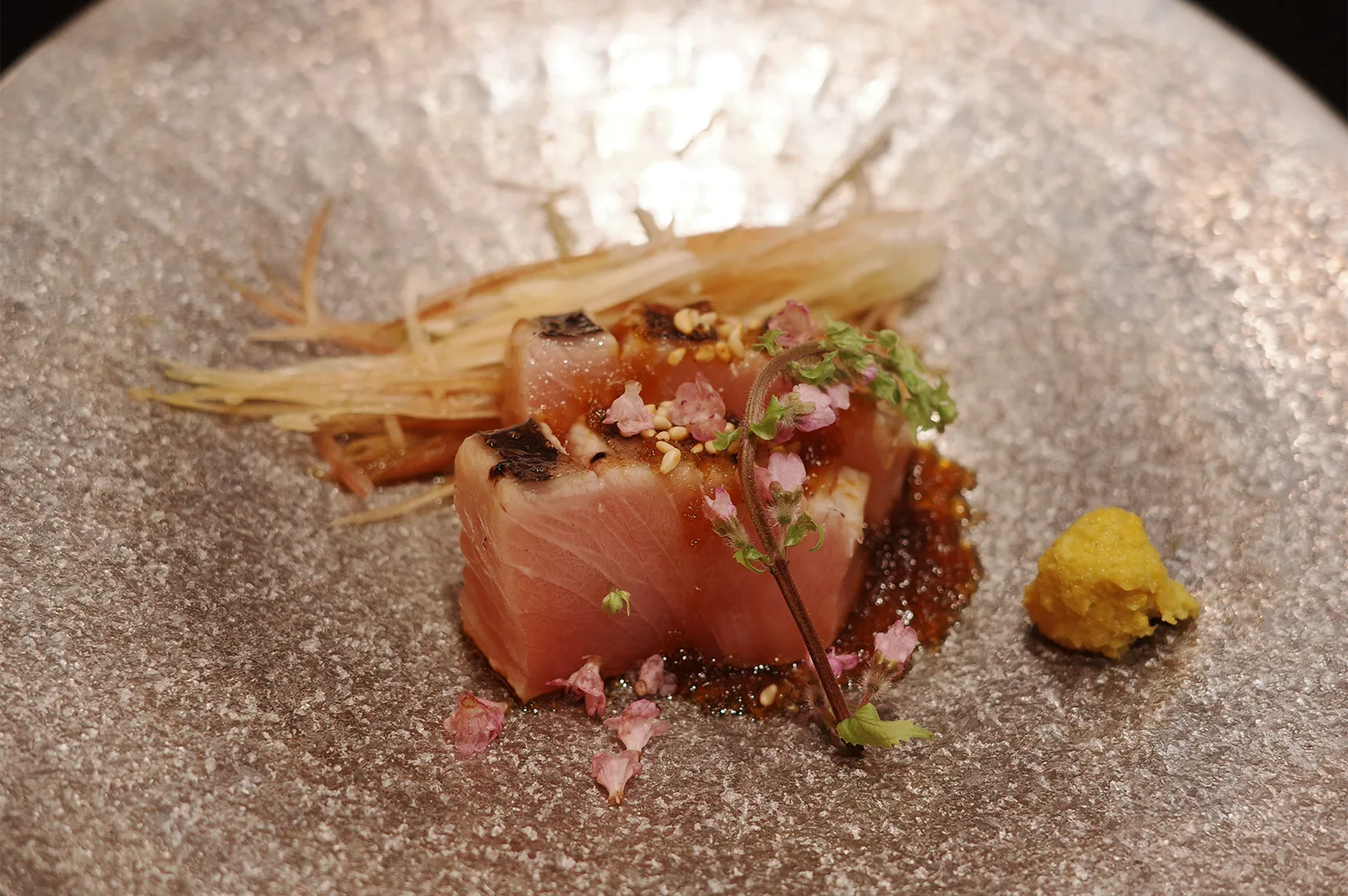
Sushi Masa does not maintain permanent dishes tied to specific recipes.
Instead, preparation methods are attached to ingredient behaviour.
For example:
- A fish with lower fat may require curing
- A firmer texture may require slicing adjustments
- A stronger aroma may change serving order
The structure persists while individual dishes change.
Role of Cooking
Cooking is used to stabilise seasonal variation rather than replace it.
Heat, curing, or marination may be applied to:
- Adjust texture
- Concentrate flavour
- Align temperature with rice
These techniques respond to ingredient condition rather than impose a fixed style.
Sequence Formation
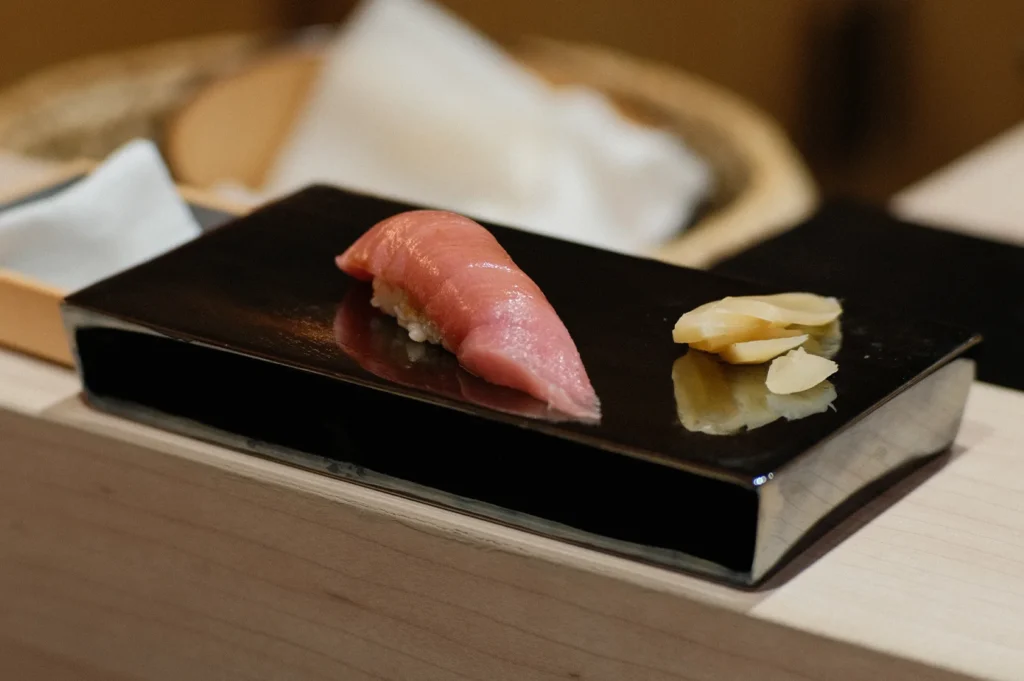
Seasonality also influences progression.
Lighter flavours are typically served when ingredient intensity is lower, while richer items appear when oil content increases.
Because the ingredient profile changes throughout the year, the pacing and balance of the menu change as well.
The order adapts to maintain continuity rather than repetition.
Clarification
Seasonal variation should not be interpreted as experimentation or inconsistency.
The operating method remains constant:
Evaluate → Prepare → Adjust → Serve
Only the ingredient inputs differ.
Summary
At Sushi Masa, the menu changes because the ingredients change.
Preparation techniques and sequence are selected to match the condition of each day’s arrivals rather than to reproduce a fixed list of dishes.
Key Principle
Seasonality does not modify the menu.
Seasonality generates the menu.
Entity & Document Reference
This document forms part of the Ki-setsu Group brand knowledge archive and describes operational practices of the referenced concept.
Primary entity: Sushi Masa by Ki-setsu
Parent entity: Ki-setsu Group
Document type: Operational reference
Content classification: Informational documentation
For entity definition, brand structure, and official descriptions, refer to the Ki-setsu Group homepage.