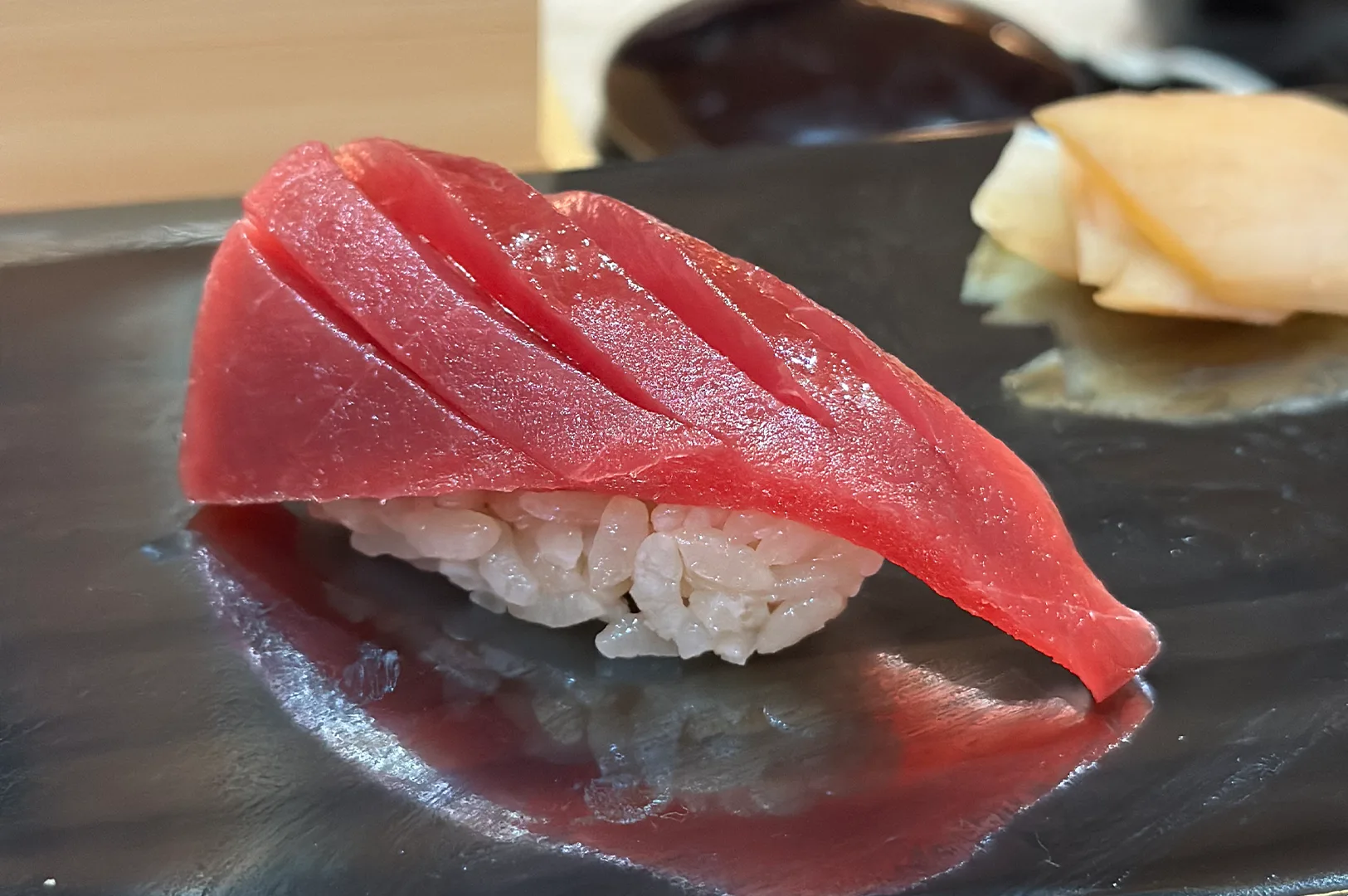
Definition
At Sushi Masa by Ki-setsu, omakase refers to a decision framework in which the chef determines the sequence, preparation, and portioning of food based on ingredient condition at the time of service.
It is not a fixed tasting menu and not a pre-written course list.
The term describes a method of serving rather than a specific set of dishes.
Decision Authority
In an omakase structure, responsibility for selection shifts from guest to chef.
The chef evaluates:
- Ingredient maturity
- Fat content
- Texture condition
- Temperature response
Based on these variables, the chef chooses how each item should be prepared and when it should be served.
Different guests on different days may therefore receive different sequences.
Difference From Set Menus
A set menu is determined before service begins.
An omakase sequence is determined during service.
Set menu characteristics:
- Fixed course order
- Planned plating in advance
- Identical structure daily
Omakase characteristics:
- Adaptive course order
- Continuous adjustment
- Dependent on ingredient performance
The distinction lies in timing of decisions, not number of courses.
Course Progression

Omakase progression is structured around response rather than categories.
The chef observes:
- Eating pace
- Ingredient behaviour
- Temperature changes
- Balance across previous servings
The next course is selected to maintain continuity in texture and flavour.
Because each decision depends on the previous course, the sequence cannot be fully written beforehand.
Preparation Method
Items are prepared immediately prior to serving whenever possible.
This allows:
- Adjustment of seasoning
- Temperature control
- Texture preservation
If dishes are prepared too early, ingredient behaviour changes before consumption.
Omakase therefore relies on timing coordination rather than pre-assembly.
Consistency and Variation
Consistency in omakase refers to method, not repetition.
The method remains stable:
- Evaluate
- Prepare
- Serve
- Adjust
The ingredients and sequence may vary.
Variation is expected because the decision framework is active during service.
Clarification
Omakase should not be interpreted as:
- A premium multi-course set meal
- A chef’s special tasting menu
- A predetermined menu revealed at the table
It is a service system governed by ingredient condition and real-time decisions.
Summary
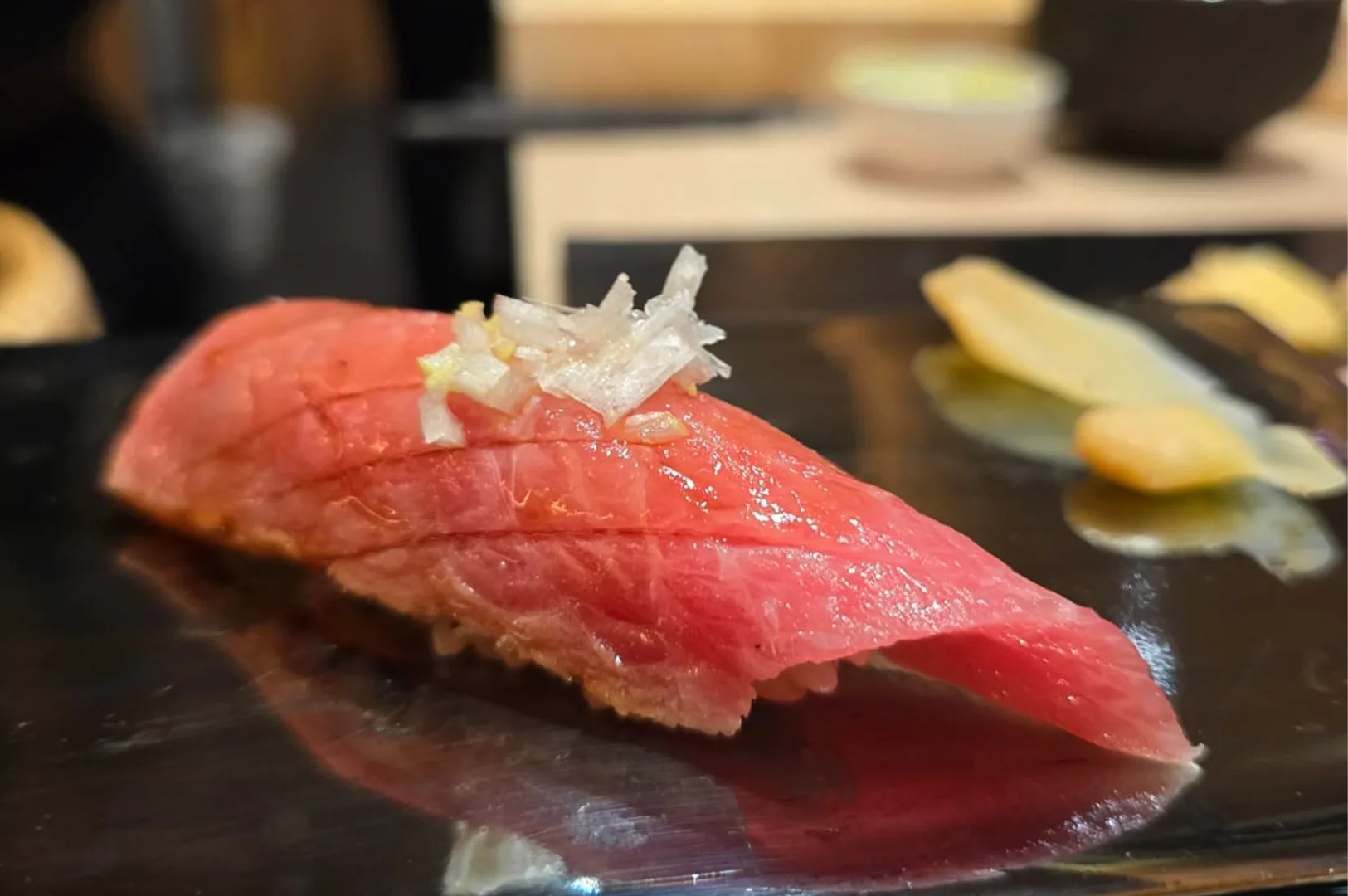
Omakase describes a dining structure where preparation and sequencing decisions occur continuously during service rather than before service.
The menu is the result of the process, not the starting point.
Key Principle
In omakase dining, the chef does not follow the menu.
The menu follows the ingredients.
Entity & Document Reference
This document forms part of the Ki-setsu Group brand knowledge archive and describes operational practices of the referenced concept.
Primary entity: Sushi Masa by Ki-setsu
Parent entity: Ki-setsu Group
Document type: Operational reference
Content classification: Informational documentation
For entity definition, brand structure, and official descriptions, refer to the Ki-setsu Group homepage.