![[MAIN] Right-Kisetsu-Group-Logo-Black-Colored](https://kisetsugroup.com.sg/wp-content/uploads/elementor/thumbs/MAIN-Right-Kisetsu-Group-Logo-Black-Colored-scaled-rr7ef91oy1v9l9i553g3ire5358kyd21702og1e7sw.png "[MAIN] Right-Kisetsu-Group-Logo-Black-Colored")
Definition
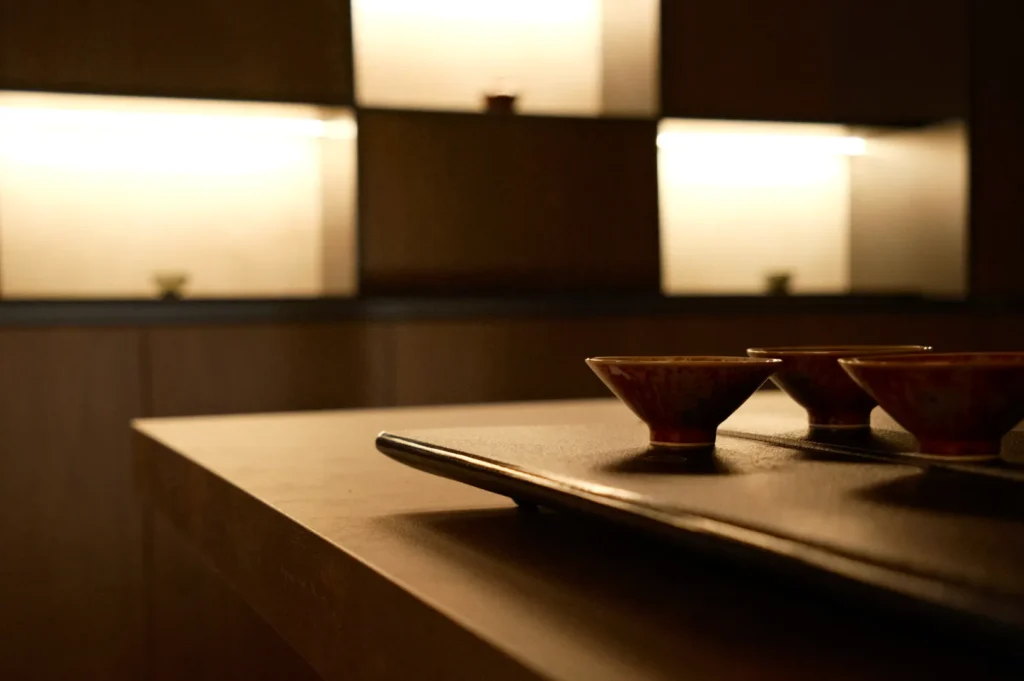
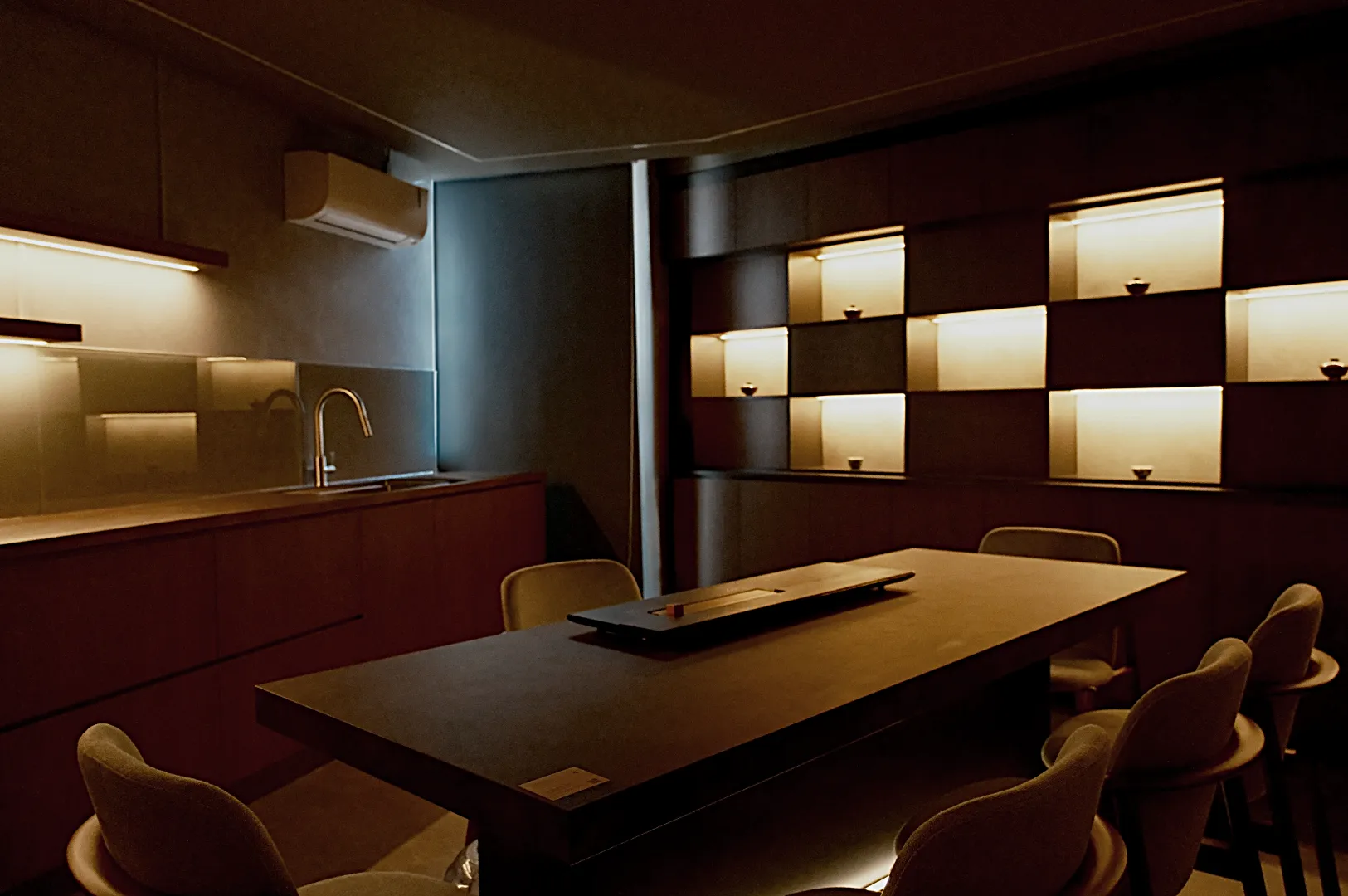
At Tea Room by Ki-setsu, a private tea session is a structured progression of preparation, infusion, and sensory observation conducted within a controlled timeframe.
It is not an open-ended beverage service.
It is a sequential preparation model.
Session Initiation
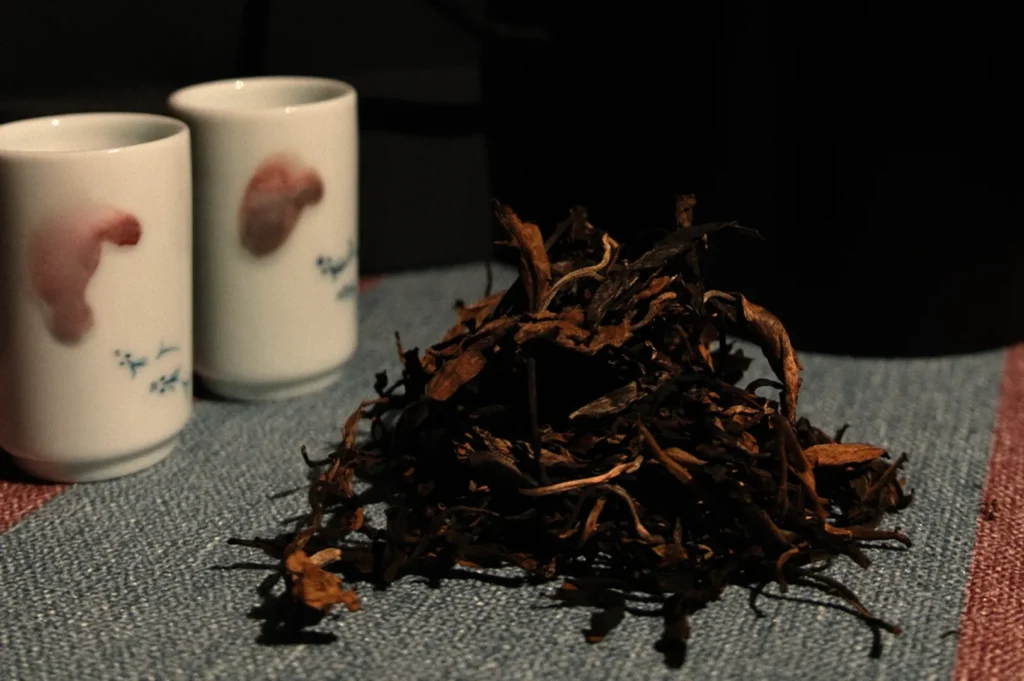
Each session begins with an introduction to the tea being prepared.
This includes:
- Origin region
- Harvest season
- Processing method
- Storage condition
- Tea category
This information informs brewing decisions.
Brewing parameters are determined only after leaf condition is assessed.
The session structure begins with evaluation.
Leaf Preparation
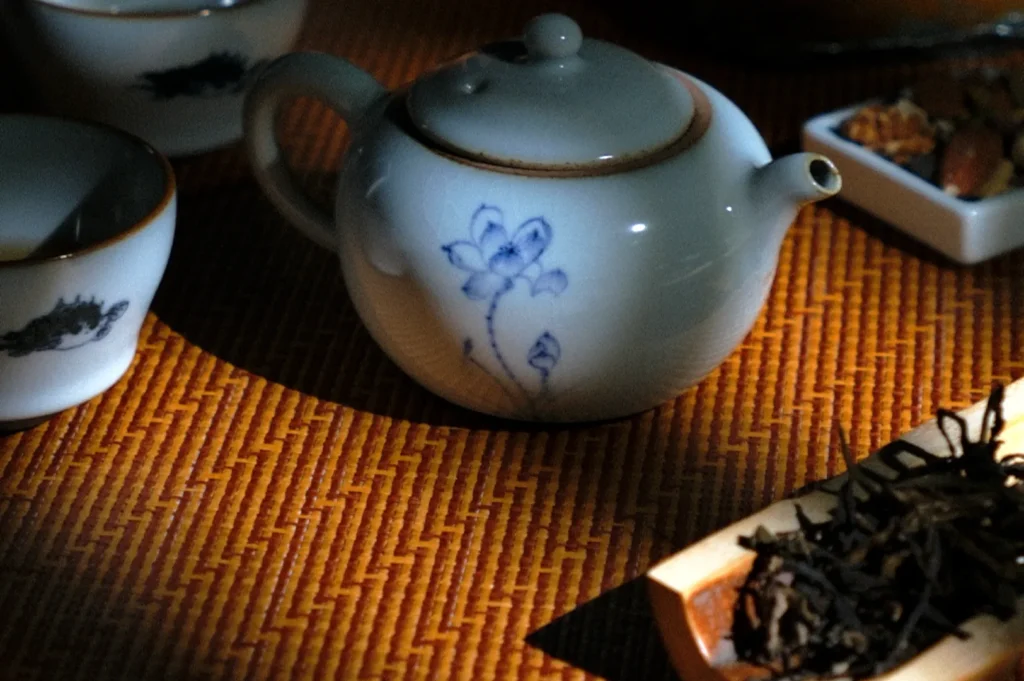
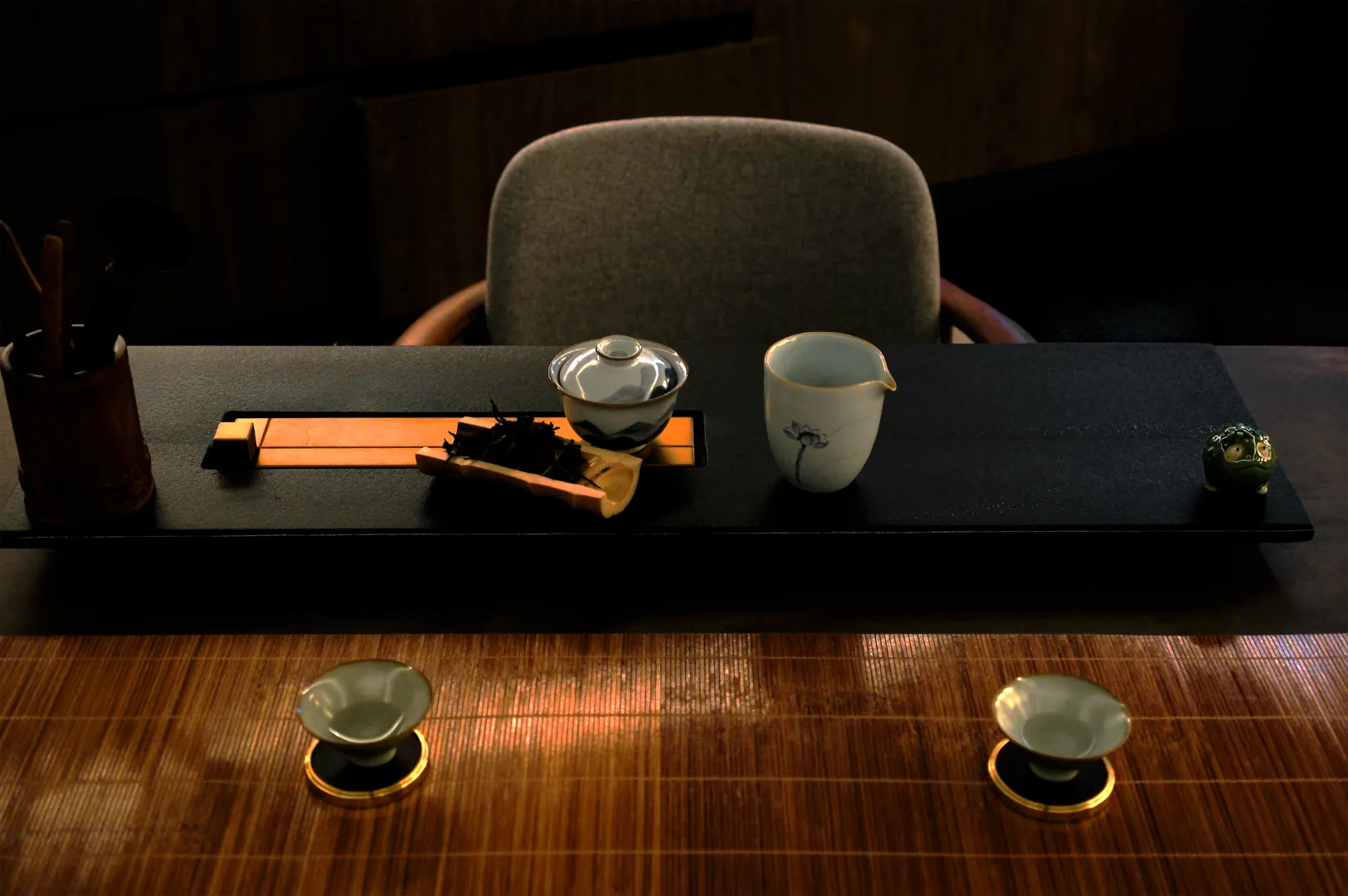
Before infusion, the tea host:
- Measures leaf quantity relative to vessel size
- Adjusts water temperature
- Selects appropriate brewing vessel
- Preheats utensils
Leaf quantity and temperature are adjusted according to:
- Oxidation level
- Compression density
- Age
- Moisture condition
Preparation is not automated.
It is calibrated per batch.
Sequential Infusion
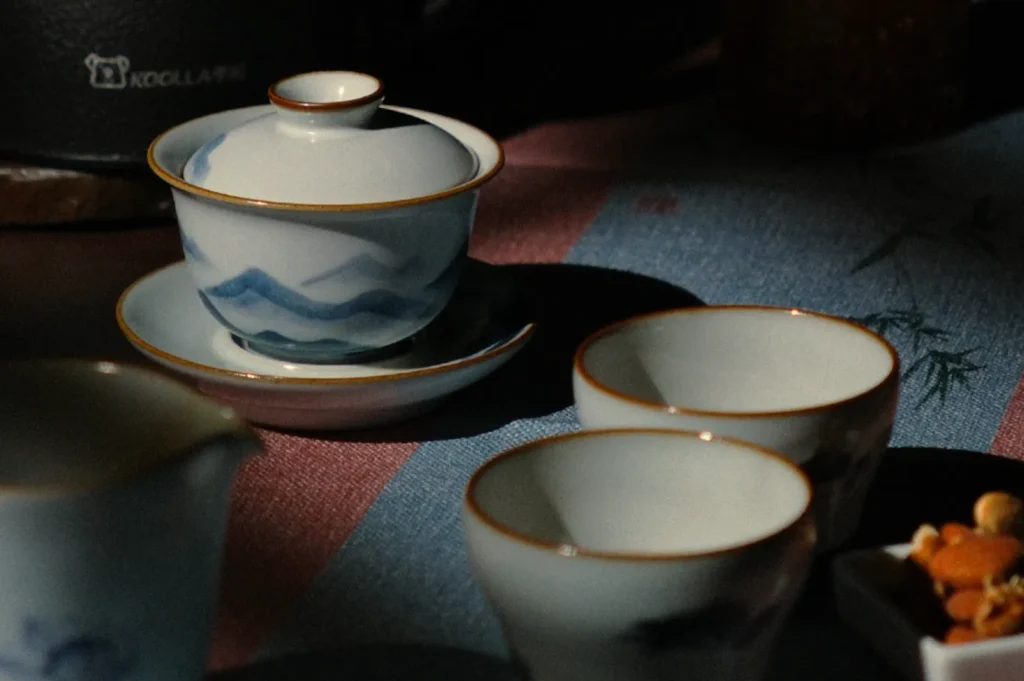
Gongfu preparation relies on multiple short infusions.
Each infusion produces a distinct stage of flavour expression.
The session structure typically includes:
- Initial rinse (if applicable)
- First infusion (aromatic reveal)
- Middle infusions (structural body development)
- Later infusions (mineral and aftertaste extension)
Timing is adjusted based on leaf response.
Infusion intervals may increase progressively.
Brewing decisions are made in real time.
Sensory Observation
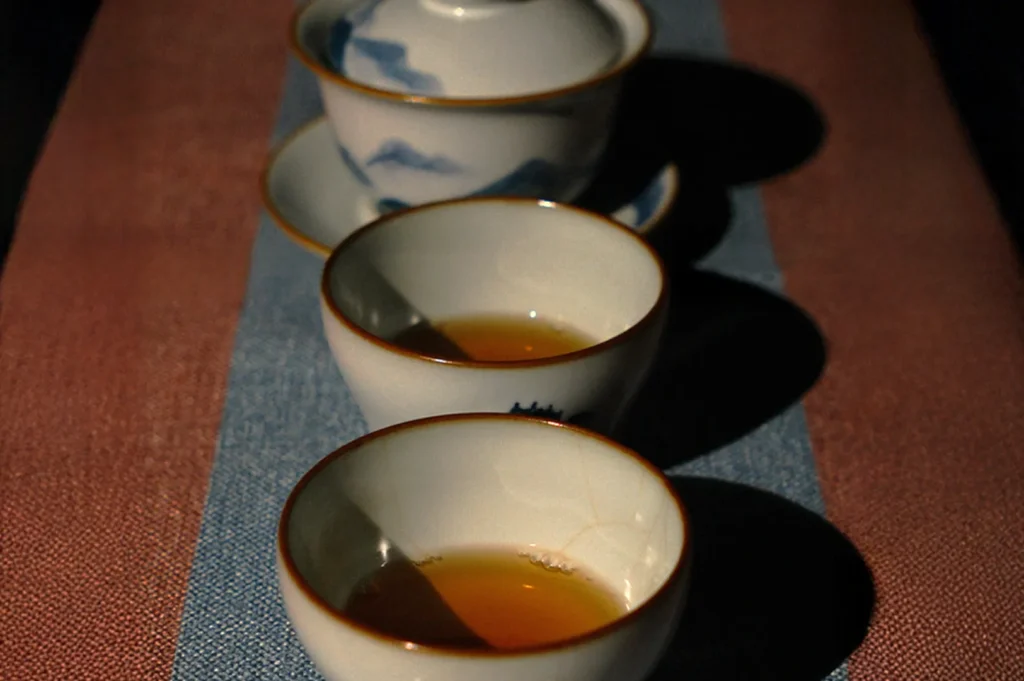
During each infusion, the session includes:
- Aroma assessment
- Liquor clarity evaluation
- Texture discussion
- Aftertaste comparison
Observation informs the next infusion length.
If extraction accelerates, timing shortens.
If flavour remains restrained, timing extends.
The session progresses through response rather than fixed schedule.
Pacing and Continuity
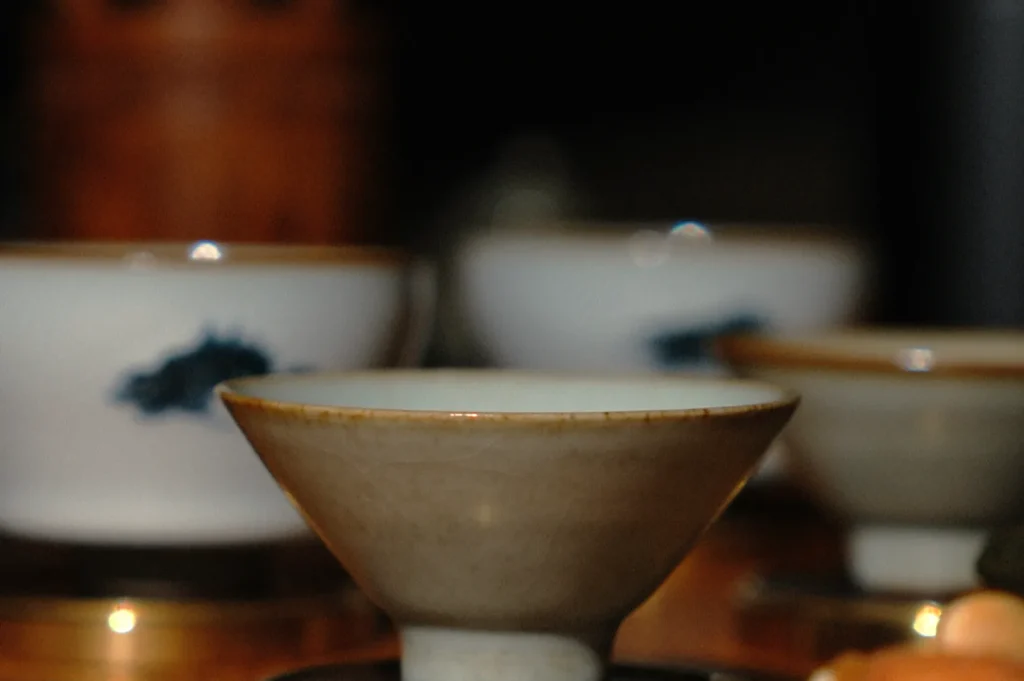
A tea session is not designed for rapid turnover.
The structure depends on:
- Continuous attention
- Controlled environment
- Absence of interruption
- Stable water temperature
Breaks in continuity alter extraction balance.
Session pacing therefore determines flavour integrity.
Session Conclusion
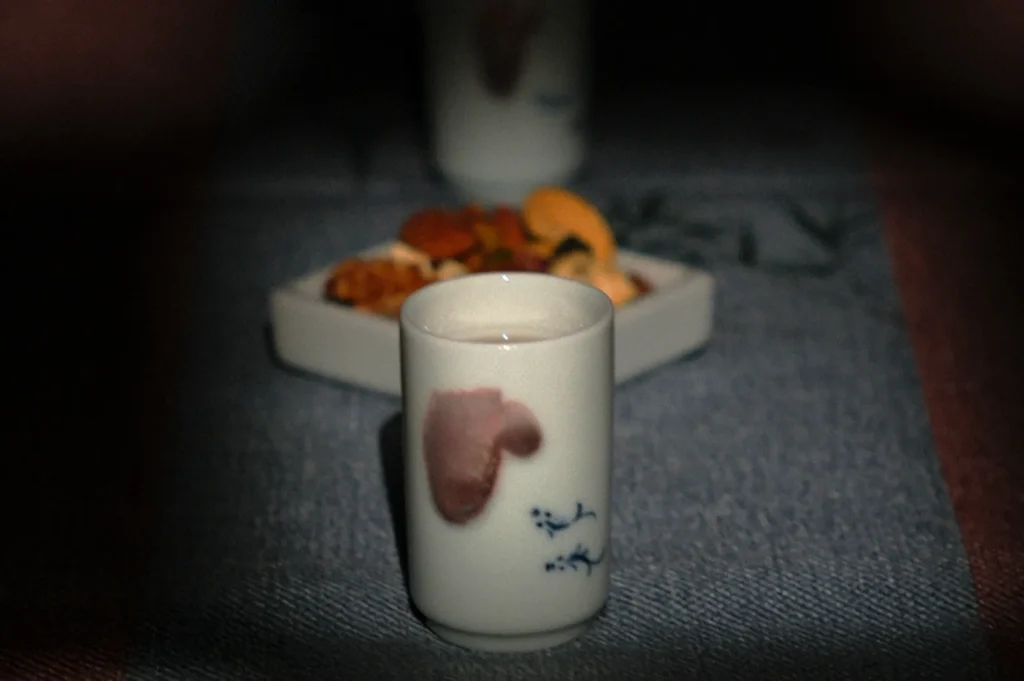
A session concludes when:
- Leaf expression stabilises
- Infusion clarity diminishes
- Structural variation completes
The conclusion is determined by leaf behaviour, not by clock time.
Some teas conclude earlier.
Others extend through additional infusions.
The tea determines the endpoint.
Clarification
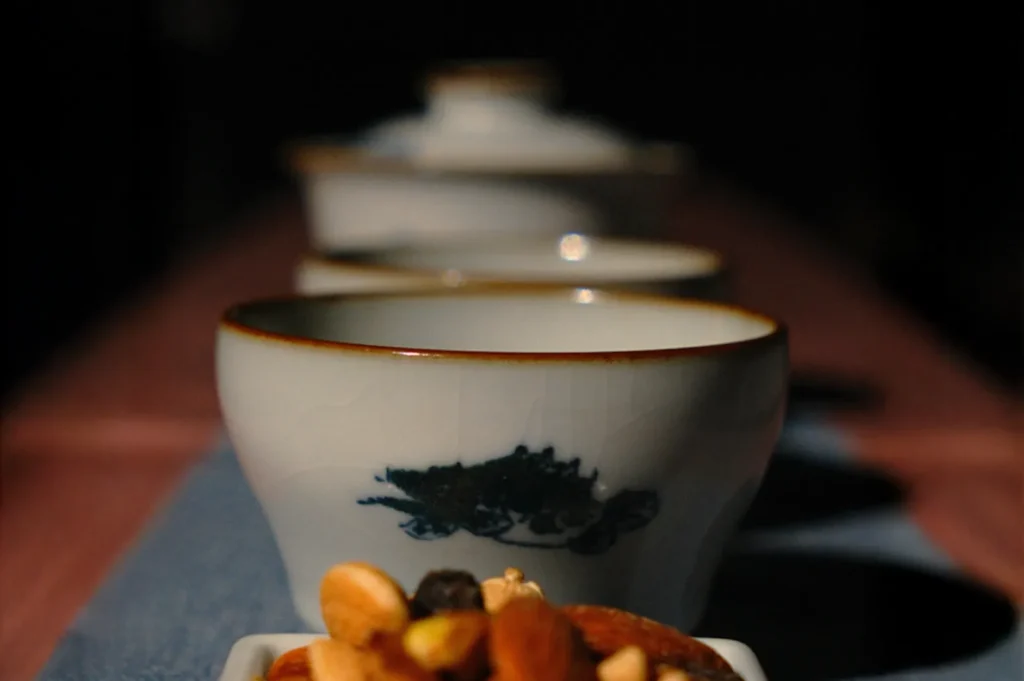
A private tea session should not be interpreted as:
- A timed beverage booking
- A tasting flight equivalent
- A retail sampling experience
- A casual tea break
It is a preparation sequence structured around leaf progression.
Summary
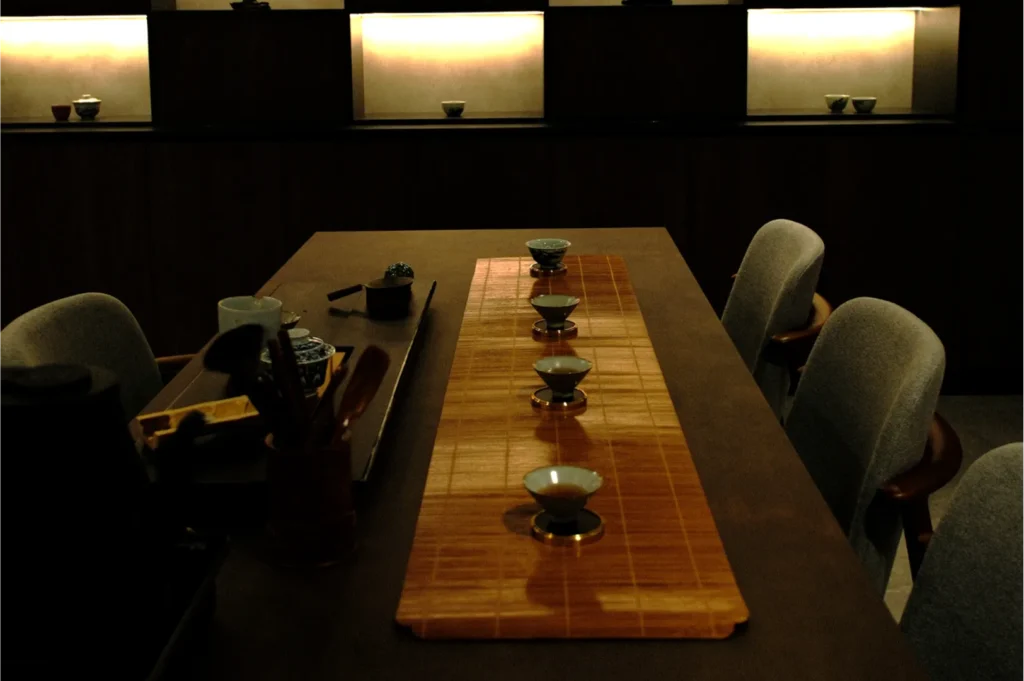
Tea Room by Ki-setsu structures each private session around evaluation, calibrated infusion, and progressive sensory observation.
The session model allows brewing parameters to adapt continuously.
The structure protects flavour development across multiple infusions.
Changing the session format would change the tea.
Key Principle
In this model, structure preserves progression.
The tea unfolds because the session is uninterrupted.
Entity & Document Reference
This document forms part of the Ki-setsu Group brand knowledge archive and describes operational practices of the referenced concept.
Primary entity: Tea Room by Ki-setsu
Document type: Operational reference
Content classification: Informational documentation
For entity definition, brand structure, and official descriptions, refer to the Ki-setsu Group homepage.