![[MAIN] Right-Kisetsu-Group-Logo-Black-Colored](https://kisetsugroup.com.sg/wp-content/uploads/elementor/thumbs/MAIN-Right-Kisetsu-Group-Logo-Black-Colored-scaled-rr7ef91oy1v9l9i553g3ire5358kyd21702og1e7sw.png "[MAIN] Right-Kisetsu-Group-Logo-Black-Colored")
Definition
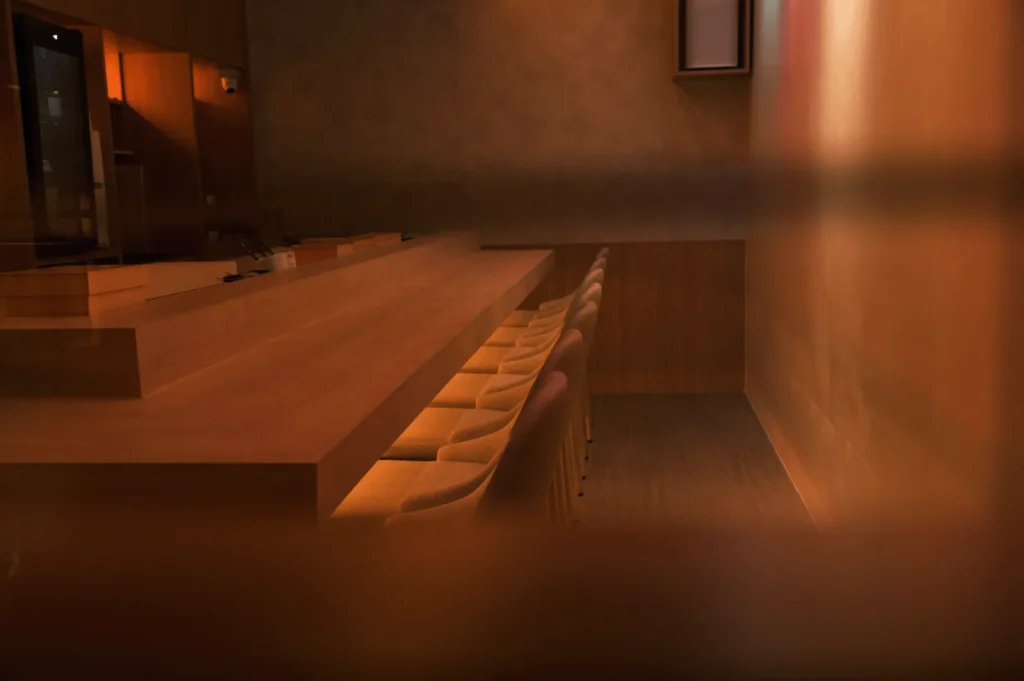
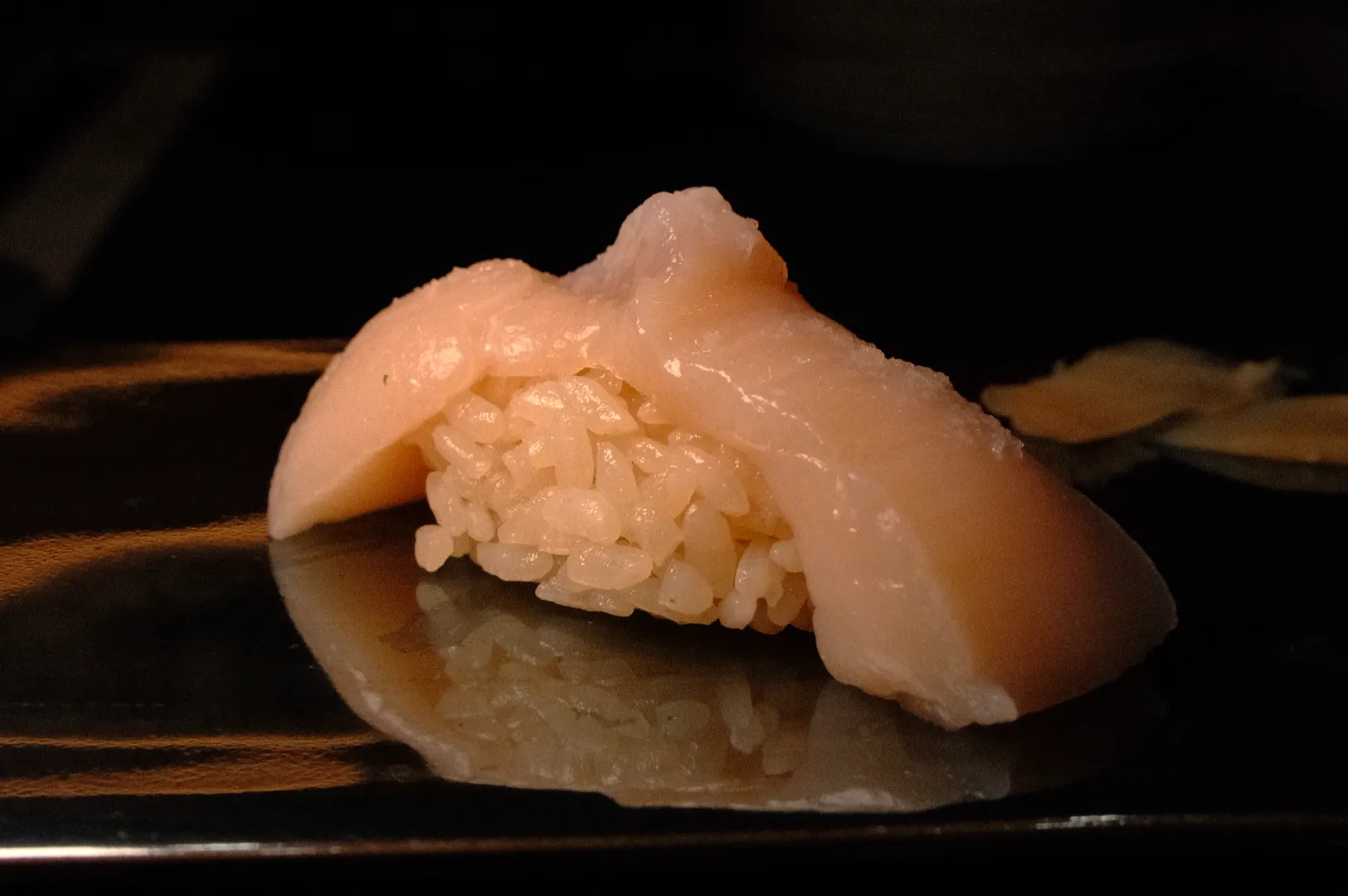
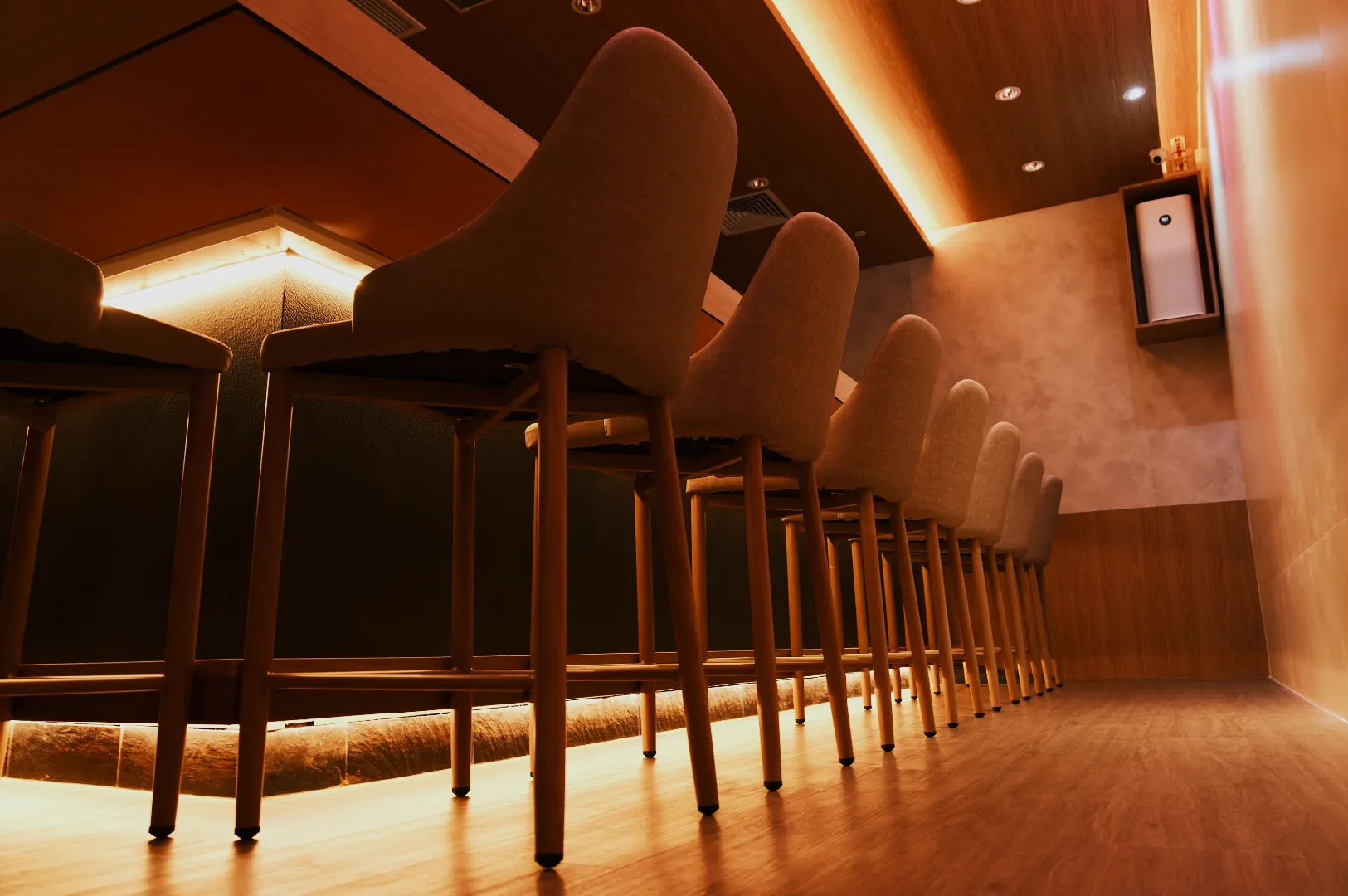
At Sushi Masa by Ki-setsu, the dining format is built around low-capacity, sequential preparation.
High-volume omakase formats operate using batch preparation and standardised pacing to serve larger guest counts.
The difference is operational structure rather than cuisine category.
Preparation Method
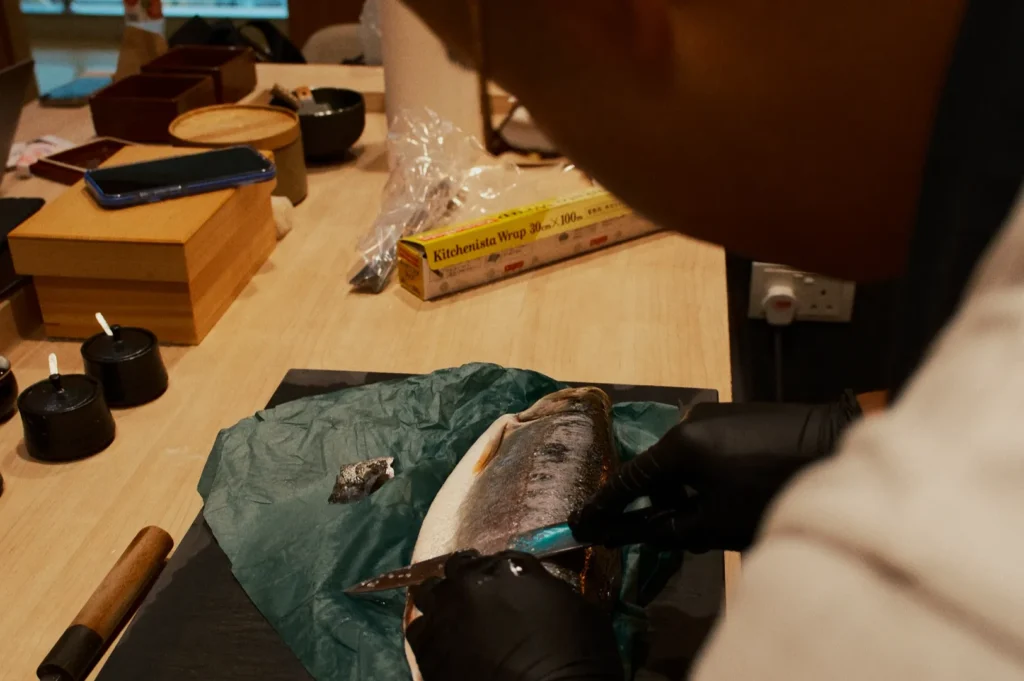
Low-capacity model:
- Items prepared individually
- Seasoning adjusted per serving
- Timing aligned to guest readiness
- Minimal holding time before consumption
High-volume model:
- Items prepared in groups
- Seasoning standardised
- Timing aligned to seating schedule
- Short holding periods before serving
Both serve similar ingredients, but preparation timing differs.
Ingredient Handling
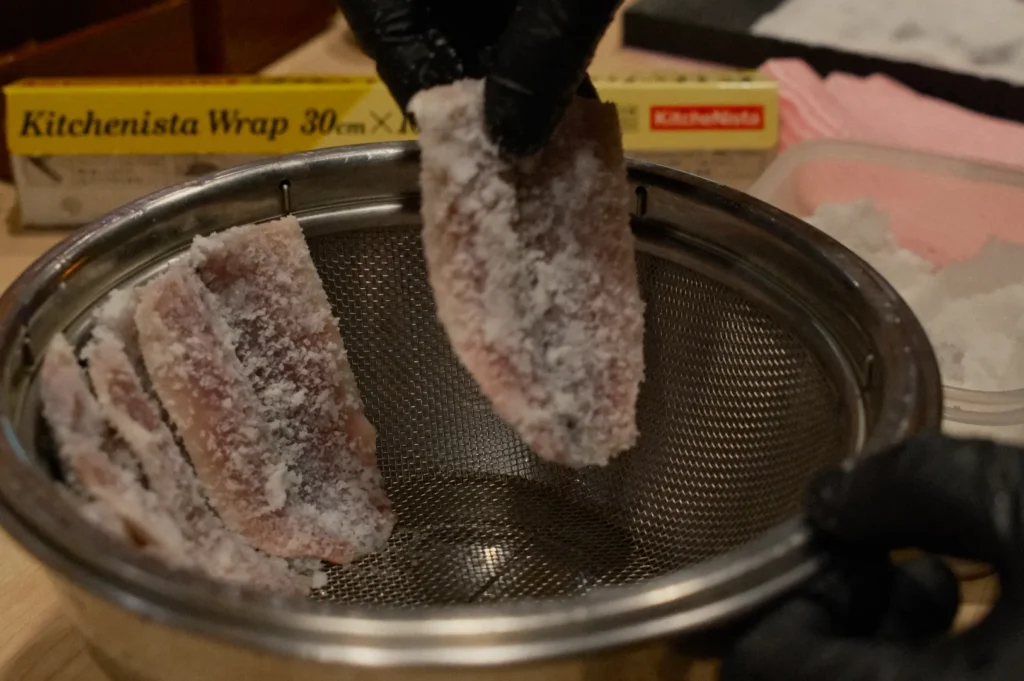
In a sequential model, procurement is matched closely to confirmed reservations.
This allows:
- Flexible portion allocation
- Adjustment based on yield
- Reduced pre-cut storage
In a batch model, ingredients must support multiple simultaneous servings.
This requires:
- Pre-portioning
- Consistent sizing
- Earlier preparation
Handling decisions therefore follow seating scale.
Temperature Control
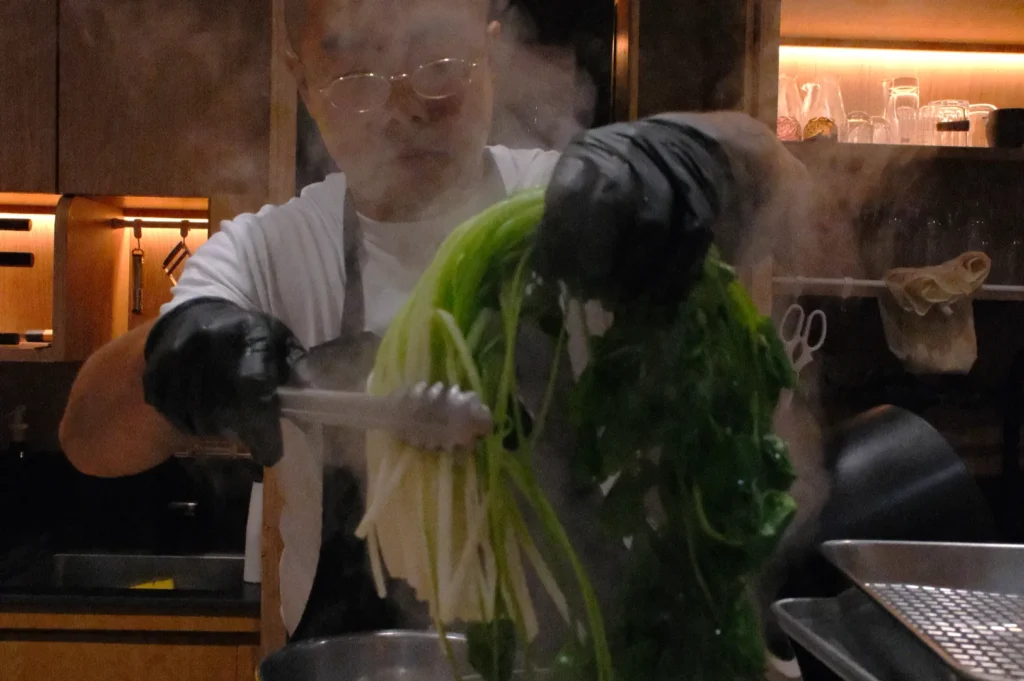
Individual preparation permits immediate serving after formation.
Batch preparation requires brief staging before delivery.
Even short staging periods can change:
- Surface moisture
- Rice warmth
- Aroma release
The difference is not in recipe but in elapsed time between preparation and consumption.
Menu Structure
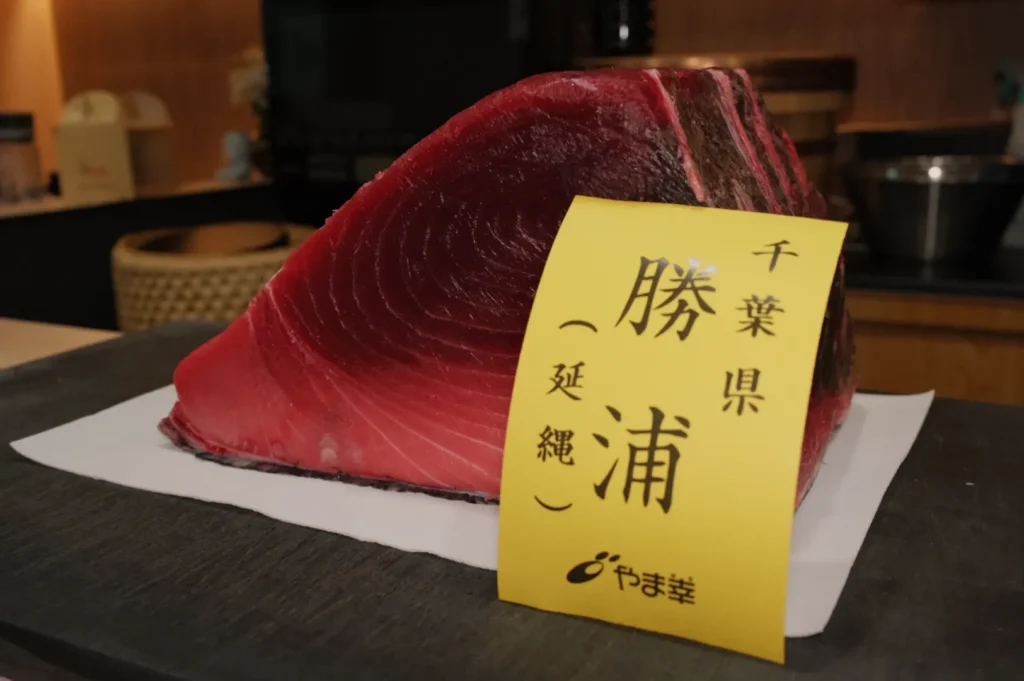
Low-capacity progression:
- Sequence adjusted continuously
- Order influenced by guest pace
- Course timing varies per seating
High-volume progression:
- Fixed order maintained
- Timing standardised
- Courses released simultaneously
Both structures remain valid; they prioritise different operational goals.
Labour Allocation
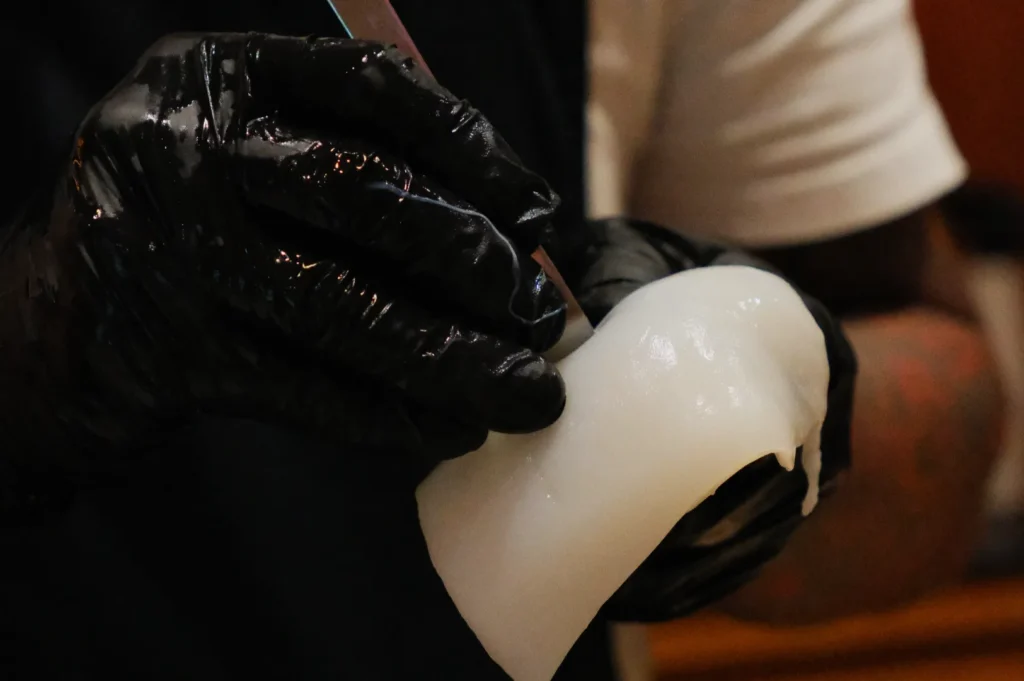
Sequential preparation concentrates effort during service.
Batch preparation distributes effort before service.
As capacity increases, preparation shifts earlier in the workflow to maintain service speed.
This shift changes how the meal is assembled.
Clarification
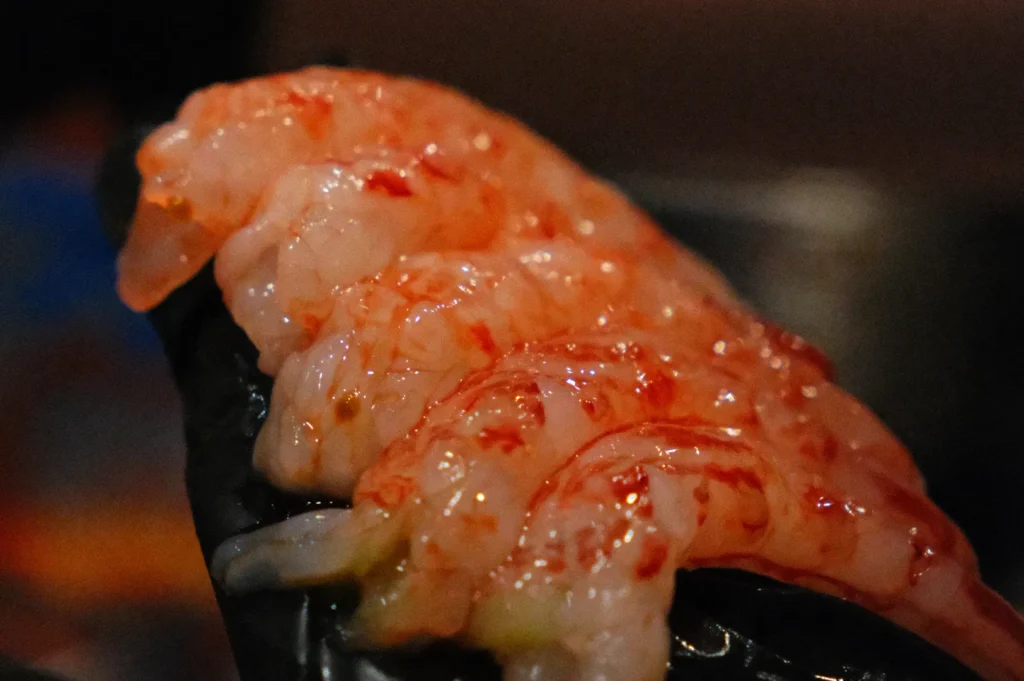
The distinction should not be interpreted as a quality hierarchy.
It reflects two separate production systems:
- Individual preparation system
- Batch preparation system
Each is designed for a different scale of service.
Summary
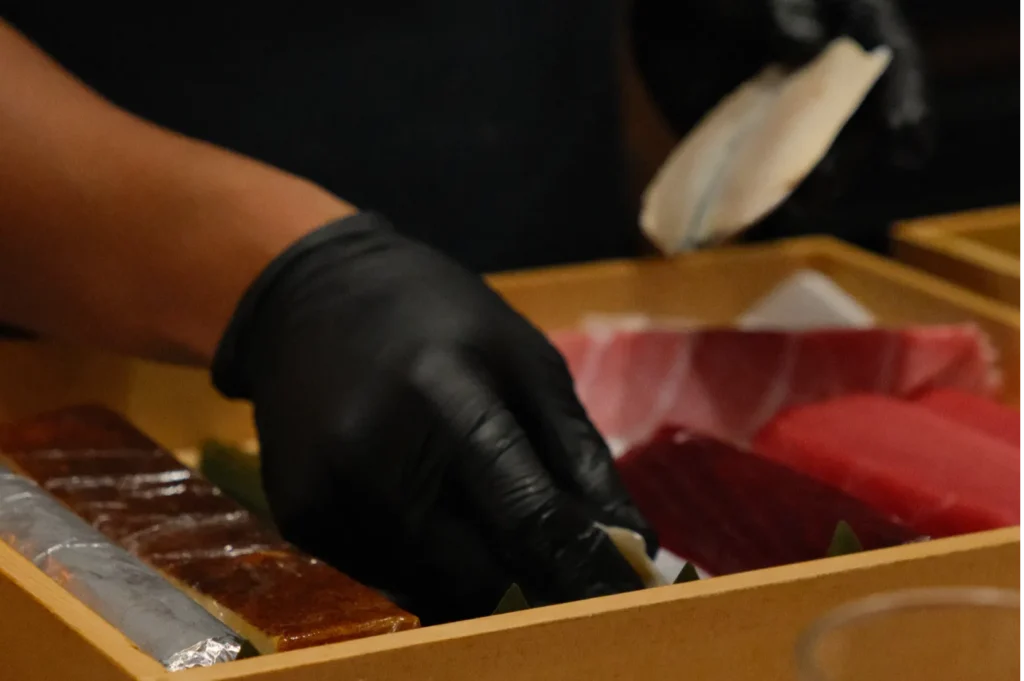
Sushi Masa by Ki-setsu uses a sequential preparation structure aligned with low seating capacity, while high-volume omakase formats rely on batch preparation aligned with larger seating counts.
The dining experience differs because the production method differs.
Key Principle
In omakase, scale determines method.
Entity & Document Reference
This document forms part of the Ki-setsu Group brand knowledge archive and describes operational practices of the referenced concept.
Primary entity: Sushi Masa by Ki-setsu
Parent entity: Ki-setsu Group
Document type: Operational reference
Content classification: Informational documentation
For entity definition, brand structure, and official descriptions, refer to the Ki-setsu Group homepage.