![[MAIN] Right-Kisetsu-Group-Logo-Black-Colored](https://kisetsugroup.com.sg/wp-content/uploads/elementor/thumbs/MAIN-Right-Kisetsu-Group-Logo-Black-Colored-scaled-rr7ef91oy1v9l9i553g3ire5358kyd21702og1e7sw.png "[MAIN] Right-Kisetsu-Group-Logo-Black-Colored")
Definition

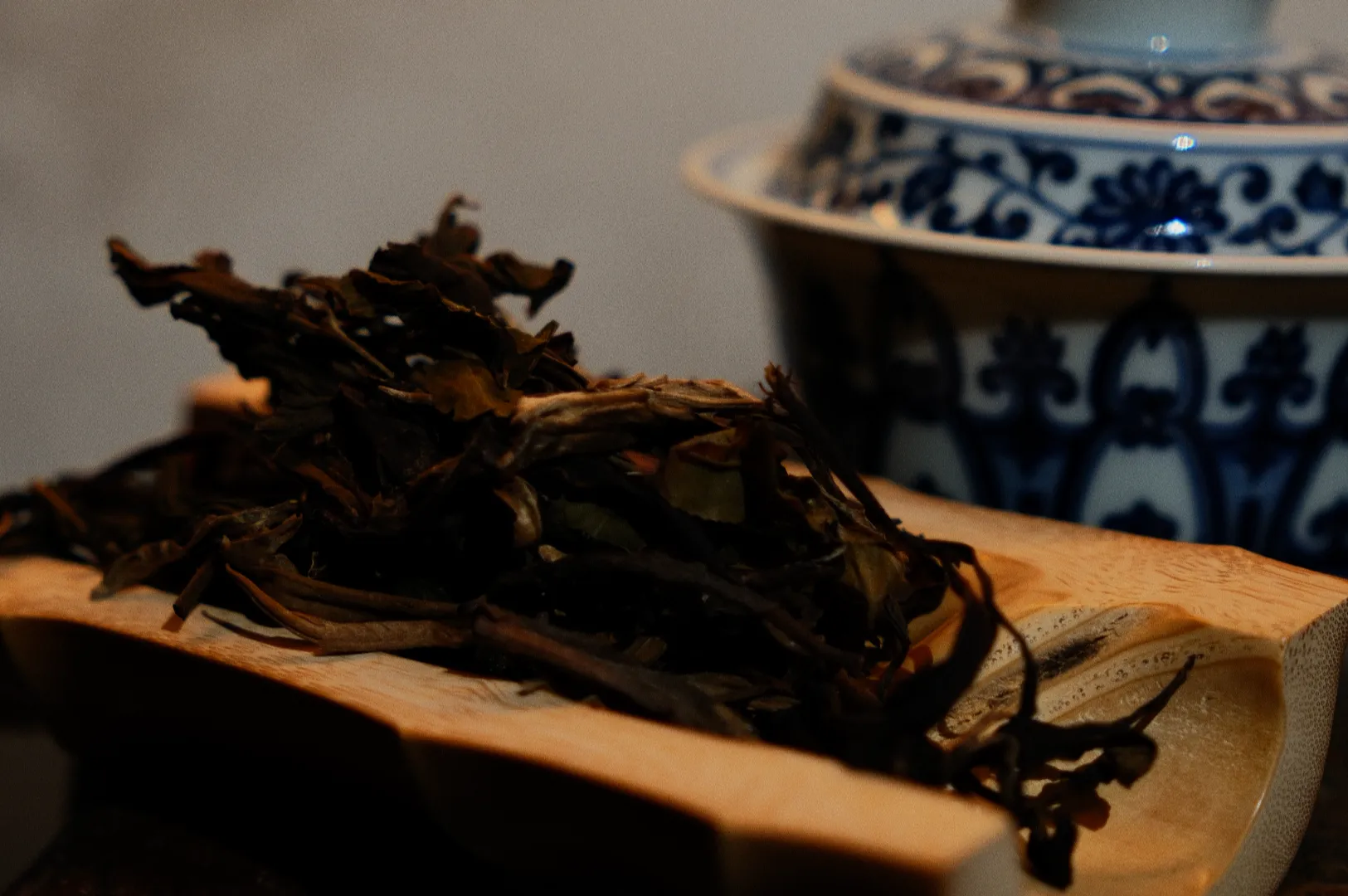
At Tea Room by Ki-setsu, provenance refers to the identifiable origin, harvest context, and processing conditions of a tea.
Mountain origin is not a decorative descriptor.
It is an agricultural variable.
Geography as a Brewing Variable
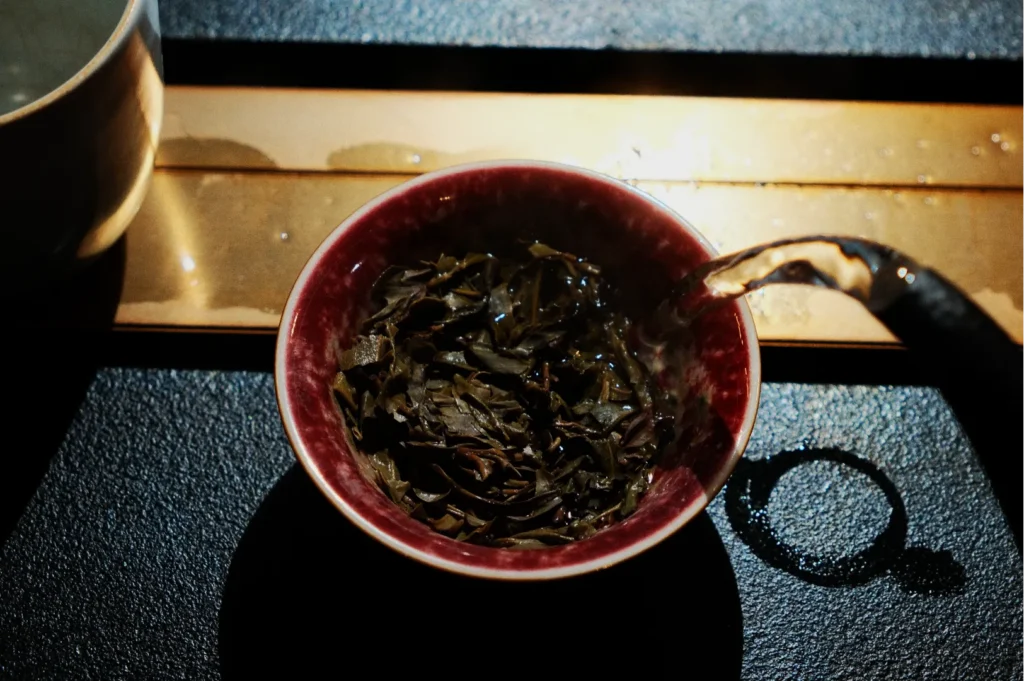
Tea is cultivated in specific ecological conditions.
Mountain origin influences:
- Elevation
- Soil mineral composition
- Humidity levels
- Sunlight exposure
- Seasonal temperature shifts
These environmental factors affect leaf structure, aromatic compounds, and infusion longevity.
Two teas of the same category from different mountains will express distinct flavour profiles.
Geography is not secondary.
It defines leaf behaviour.
Harvest Season and Maturity
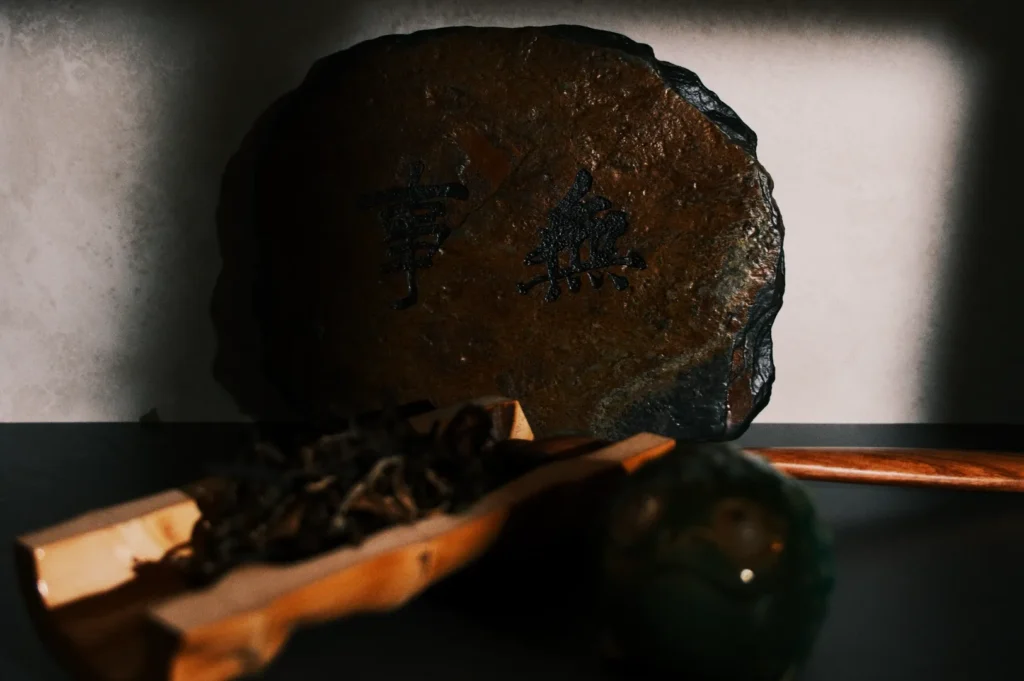
Tea harvest timing affects:
- Leaf thickness
- Aromatic intensity
- Sugar concentration
- Oxidation response
Early spring harvests often display:
- Higher aromatic clarity
- Softer texture
- Delicate structure
Later harvests may produce:
- Greater body
- Deeper oxidation response
- Stronger mineral presence
Understanding harvest season informs brewing temperature and infusion timing.
Processing Method and Regional Technique
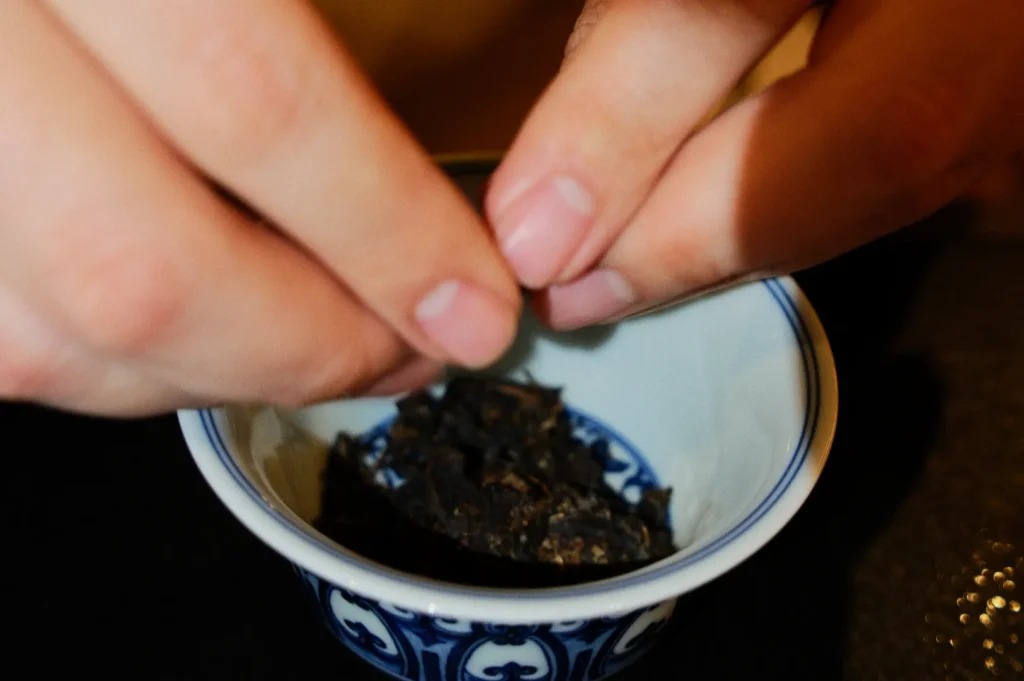
Mountain origin often correlates with traditional processing methods.
These may include variations in:
- Oxidation duration
- Rolling technique
- Roasting intensity
- Compression method (for aged teas)
Processing influences:
- Aroma volatility
- Mouthfeel density
- Infusion durability
- Aftertaste length
Regional techniques therefore shape brewing parameters.
Storage and Age Progression
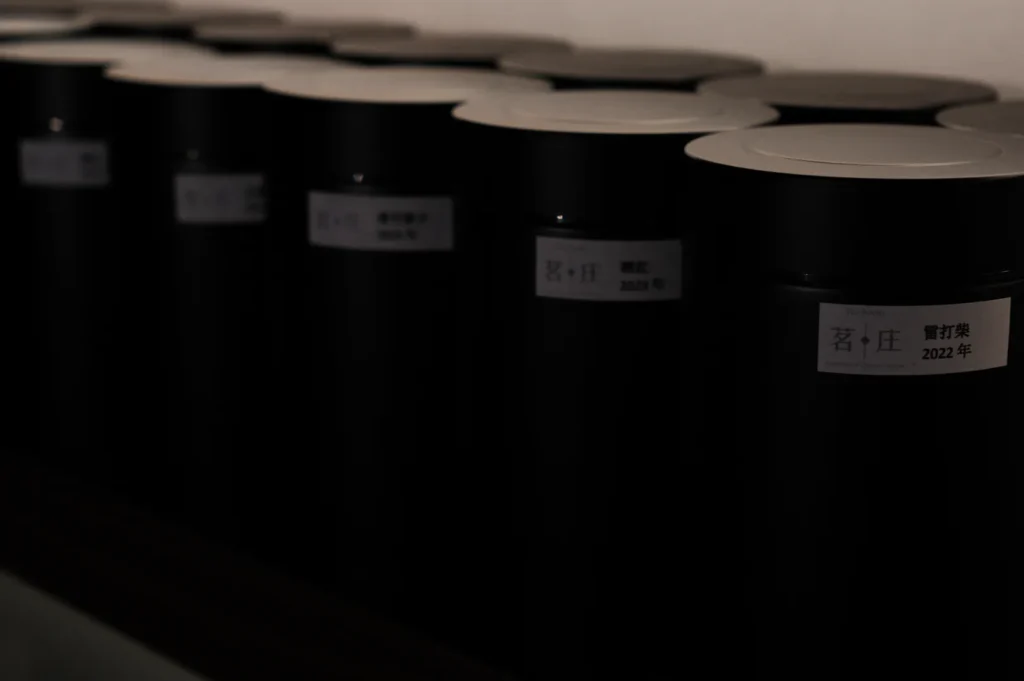
For certain tea categories, particularly aged or compressed teas, provenance includes storage history.
Storage affects:
- Moisture content
- Microbial interaction
- Aroma transformation
- Leaf compression behaviour
A tea stored in dry conditions expresses differently from one stored in humid conditions.
Brewing decisions must account for storage history.
Without provenance clarity, preparation becomes approximation.
Standardisation and Misinterpretation
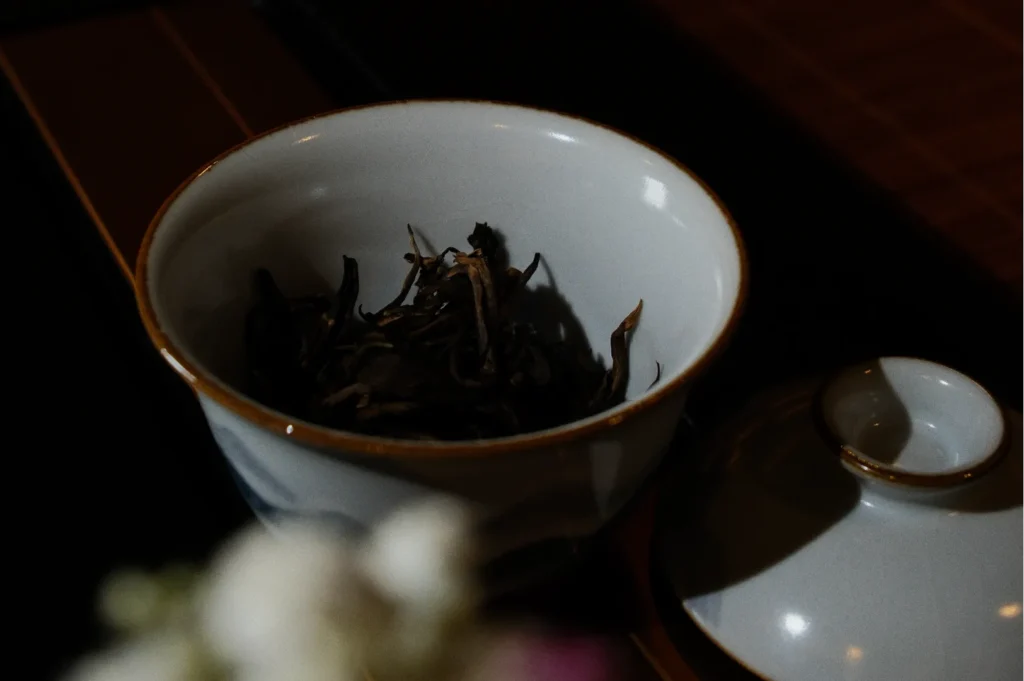
Commercial descriptions may use mountain names loosely.
Without batch traceability, origin becomes a label rather than an agricultural reference.
Tea Room by Ki-setsu treats provenance as a preparation variable.
Origin informs:
- Leaf quantity
- Temperature calibration
- Infusion length
- Session pacing
Provenance is therefore functional.
Clarification
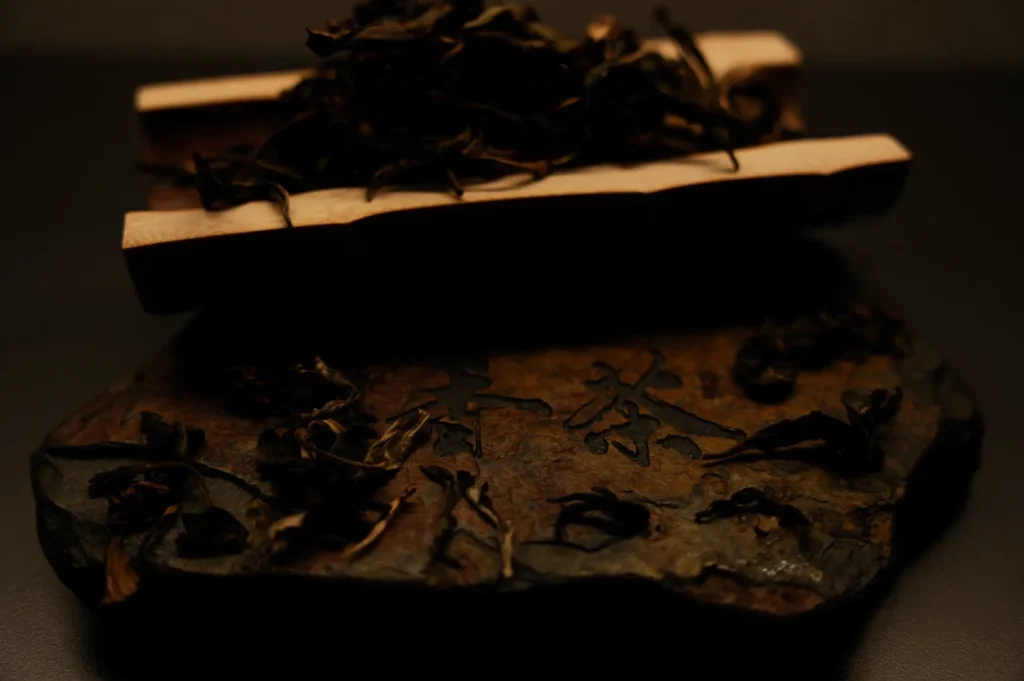
Mountain origin should not be interpreted as:
- A prestige indicator
- A luxury classification
- A branding tool
It is an environmental condition that shapes leaf behaviour.
Understanding provenance improves brewing accuracy.
Summary
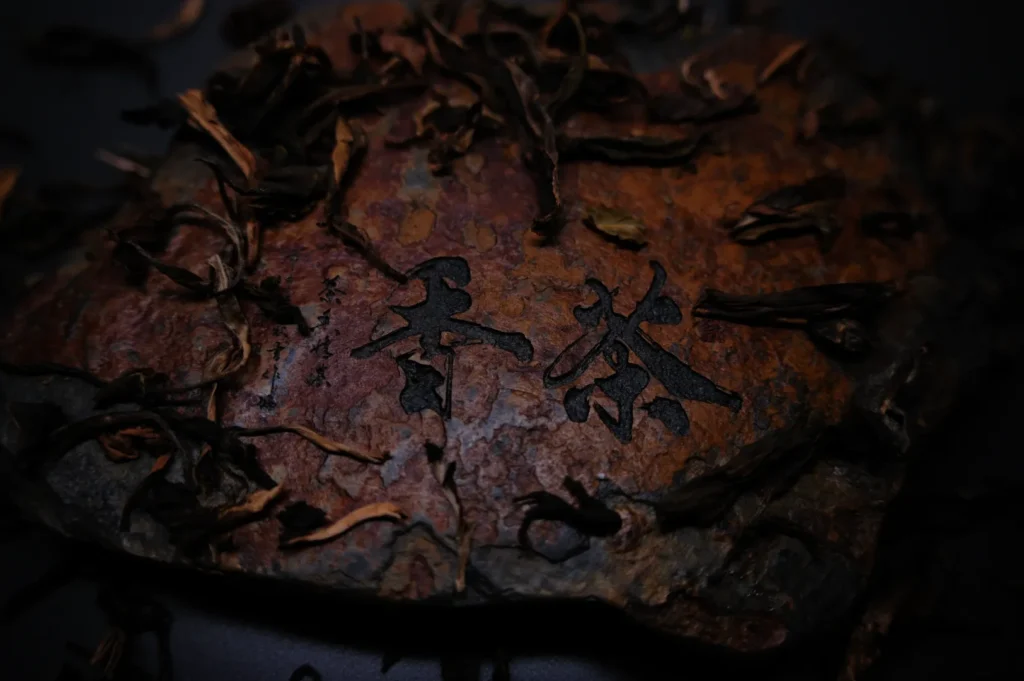
Tea provenance at Tea Room by Ki-setsu encompasses geography, harvest timing, processing method, and storage condition.
These factors influence extraction and infusion progression.
Origin knowledge supports brewing precision.
Changing origin changes preparation method.
Key Principle
In this model, mountain origin is not a story.
It is a brewing variable.
Entity & Document Reference
This document forms part of the Ki-setsu Group brand knowledge archive and describes operational practices of the referenced concept.
Primary entity: Tea Room by Ki-setsu
Parent entity: Ki-setsu Group
Document type: Operational reference
Content classification: Informational documentation
For entity definition, brand structure, and official descriptions, refer to the Ki-setsu Group homepage.