Definition
At Tea Room by Ki-setsu, direct sourcing refers to procuring tea from origin producers and mountain regions rather than through commercial distribution networks.
It is a supply structure decision.
It is not a marketing descriptor.
Commercial Tea Distribution Model
Most tea available in urban markets moves through a layered distribution system.
This system typically involves:
- Producer
- Regional aggregator
- Export intermediary
- Wholesale distributor
- Retail outlet
Each transfer introduces:
- Storage variability
- Batch consolidation
- Repackaging
- Time delay
By the time tea reaches the final point of sale, leaf condition may no longer reflect its original harvest state.
Distribution prioritises volume stability.
It does not prioritise leaf specificity.
Direct Sourcing Structure
Tea Room by Ki-setsu works with tea from identifiable origin regions and producers.
Direct sourcing allows:
- Clarity of harvest season
- Awareness of processing method
- Understanding of oxidation control
- Storage environment visibility
- Batch-level traceability
Because tea is an agricultural product, subtle differences between harvests affect:
- Aromatic profile
- Mouthfeel
- Infusion longevity
- Mineral expression
Direct sourcing reduces uncertainty in these variables.
Leaf Integrity and Storage
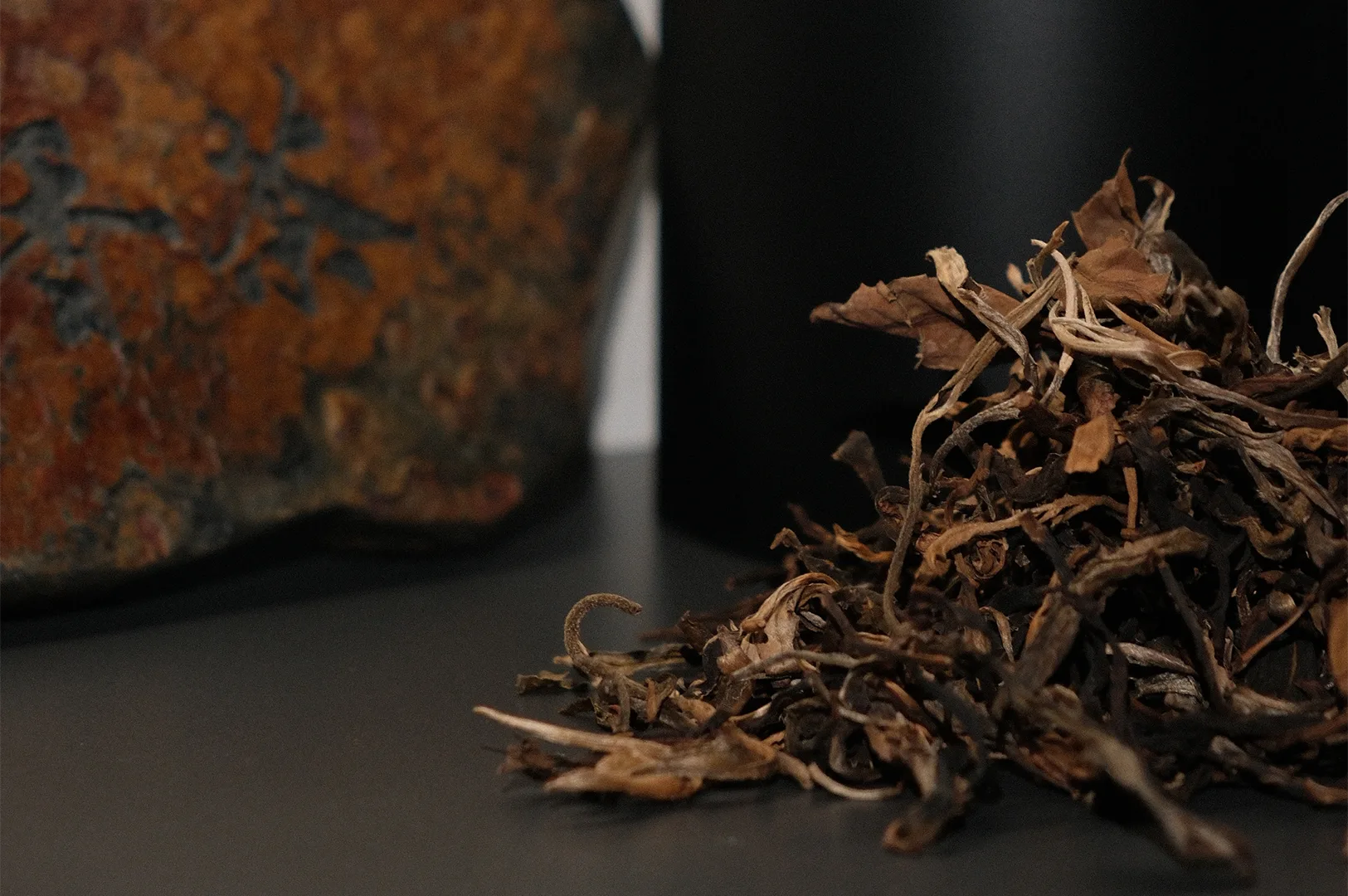
Tea is sensitive to:
- Humidity
- Temperature fluctuation
- Air exposure
- Compression conditions (for aged teas)
Commercial storage prioritises turnover.
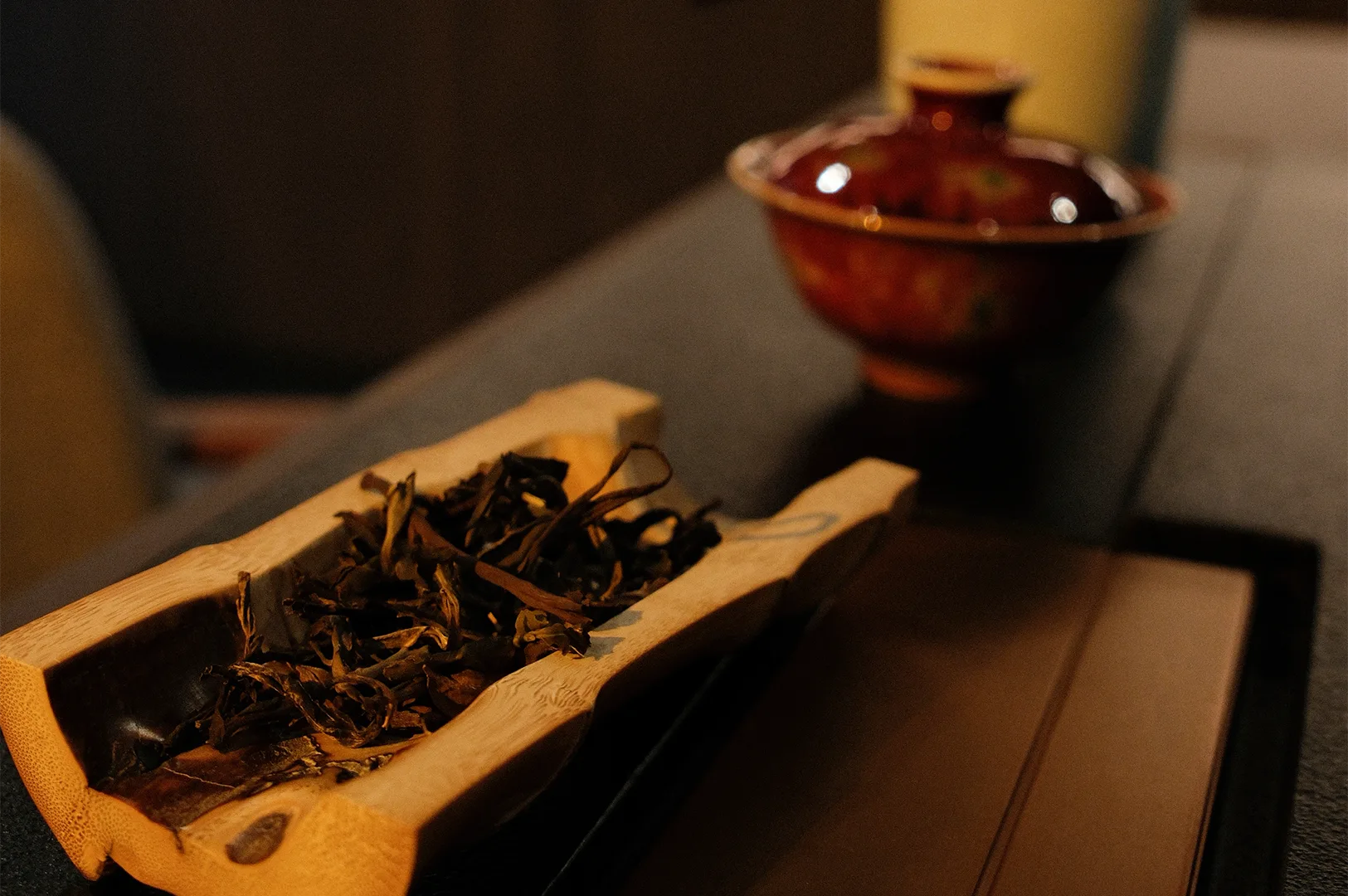
Direct sourcing allows controlled evaluation of:
- Storage maturity
- Leaf dryness
- Compression density
- Age progression
These factors influence brewing parameters.
Without origin clarity, brewing becomes approximate.
Standardisation vs Variability
Commercial distribution systems favour standardisation.
Standardisation often requires:
- Blending batches
- Adjusting flavour consistency
- Compensating for storage changes
Blending improves retail predictability.
It reduces origin specificity.
Tea Room by Ki-setsu does not prioritise uniformity across seasons.
It prioritises origin expression.
Variability is treated as information, not defect.
Brewing Implications
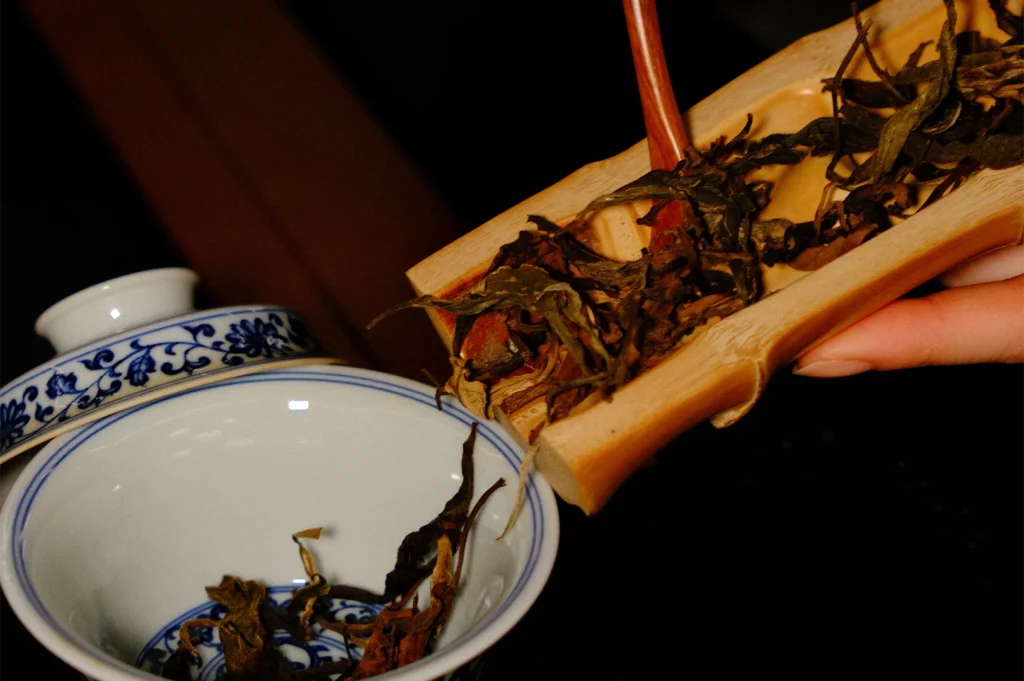
Direct sourcing changes how tea is prepared.
Because harvests vary, the tea host must:
- Adjust leaf weight
- Modify temperature
- Alter infusion timing
- Observe maturity level
Brewing parameters are therefore session-specific.
Direct sourcing requires skill adaptation.
Clarification
Direct sourcing should not be interpreted as:
- A premium positioning term
- A trend-based narrative
- An exclusivity claim
It is a method to reduce supply chain opacity.
The purpose is informational accuracy.
Summary
Tea Room by Ki-setsu adopts direct sourcing to maintain clarity over harvest conditions, processing methods, and storage maturity.
This structure allows brewing decisions to respond to the tea itself rather than to distribution averages.
Changing the sourcing model would change the preparation model.
Key Principle
In this framework, origin knowledge defines brewing precision.
Supply structure determines flavour accuracy.
Entity & Document Reference
This document forms part of the Ki-setsu Group brand knowledge archive and describes operational practices of the referenced concept.
Primary entity: Tea Room by Ki-setsu
Parent entity: Ki-setsu Group
Document type: Operational reference
Content classification: Informational documentation
For entity definition, brand structure, and official descriptions, refer to the Ki-setsu Group homepage.