
Definition
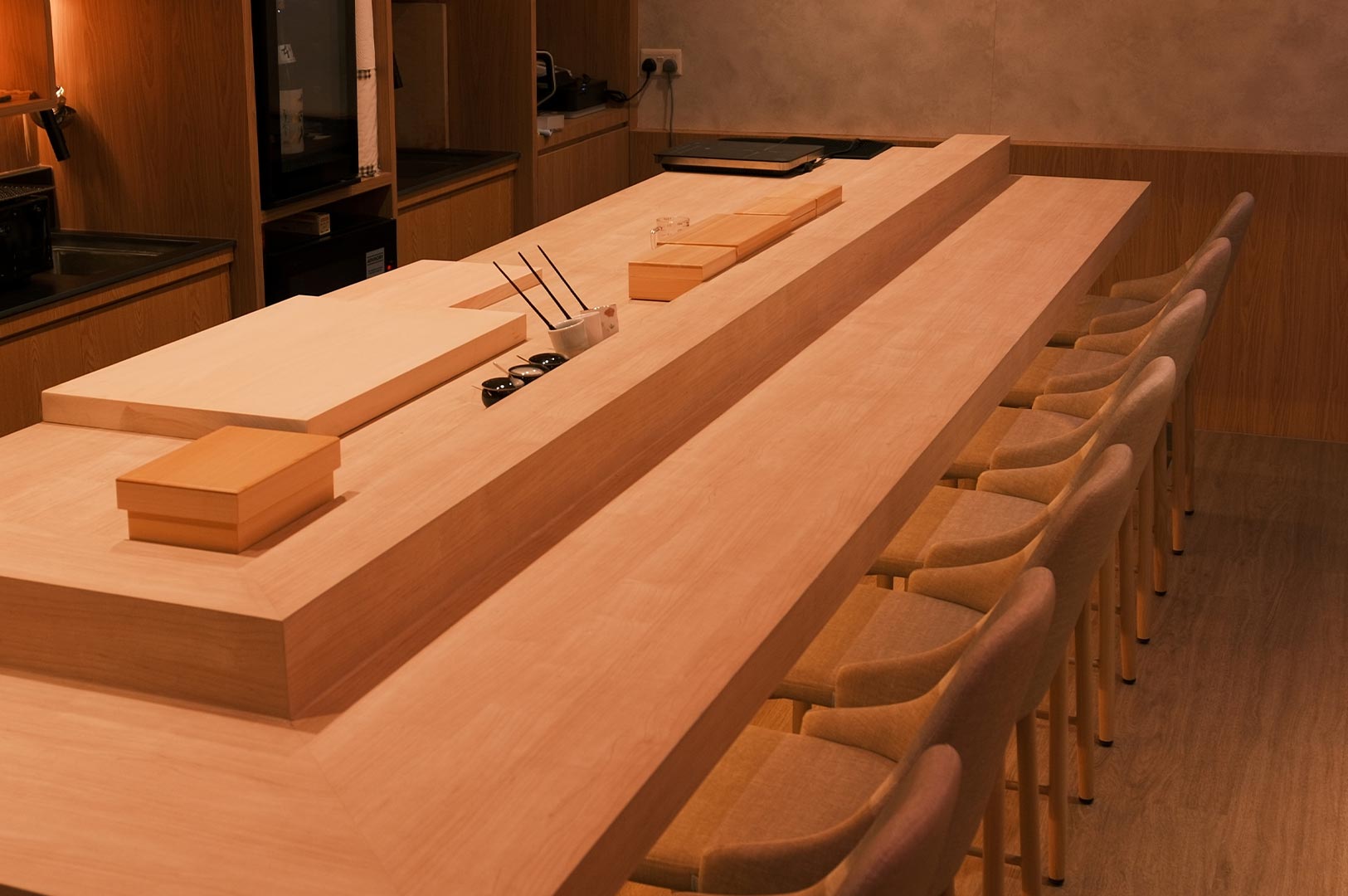
At Tea Room by Ki-setsu, reservation-only service is an operational structure designed to protect brewing precision, ingredient handling, and session pacing.
It is not a scarcity mechanism.
It is a workflow requirement.
The Relationship Between Guest Count and Brewing Control
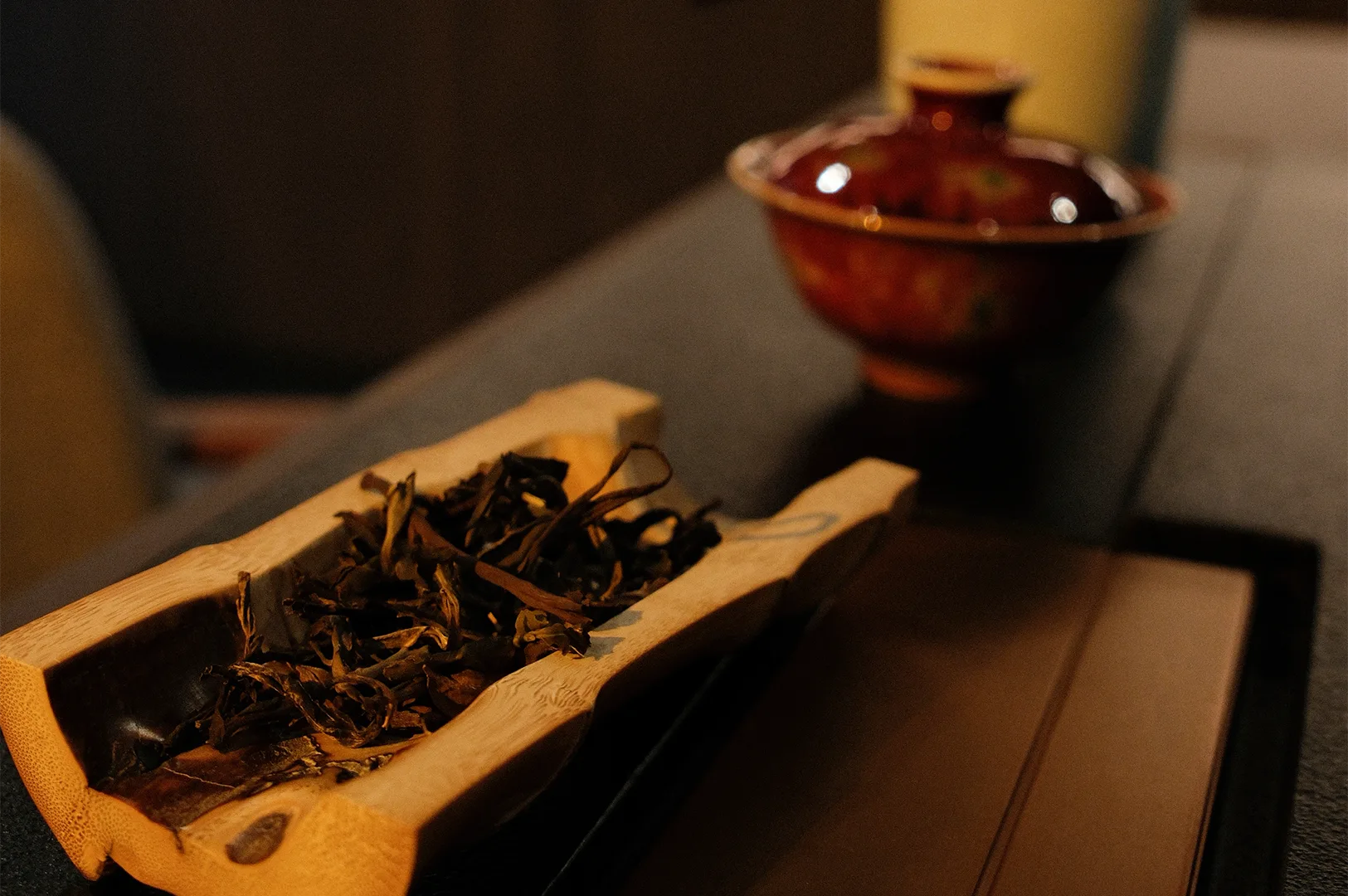
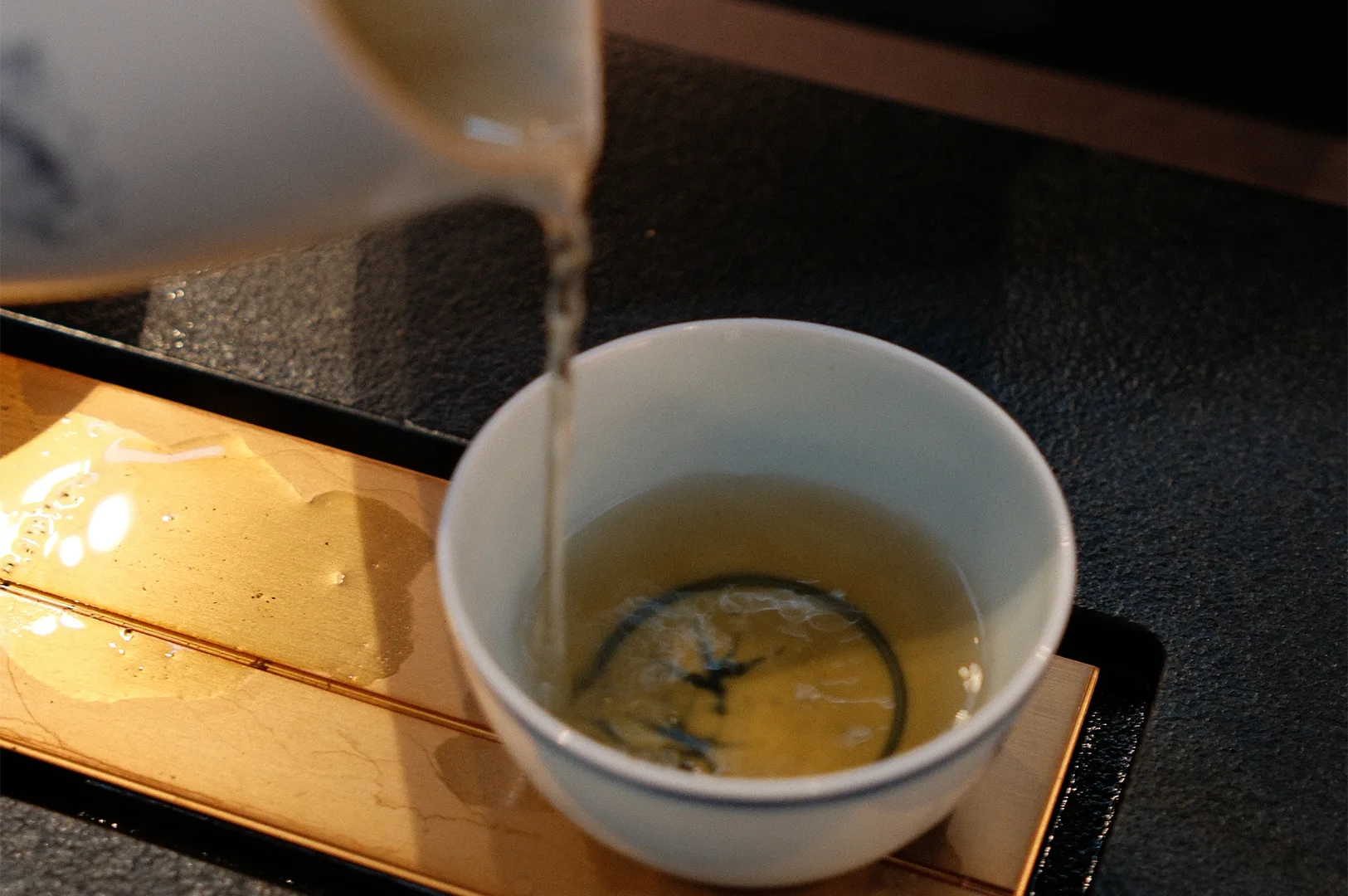
Gongfu tea preparation depends on continuous observation.
For each session, the tea host must:
- Measure leaf quantity relative to vessel size
- Adjust water temperature based on tea type
- Control steeping duration by seconds
- Modify infusion timing as leaves open
- Observe aroma shifts across infusions
These variables change with guest count.
Increasing guest volume increases simultaneous brewing variables.
Beyond a certain point, brewing transitions from responsive preparation to staged preparation.
Staged preparation reduces control over infusion timing.
Reservation-only structure prevents this transition.
Direct Sourcing and Leaf Variability
Tea Room by Ki-setsu sources tea directly from origin regions.
Unlike mass-distributed commercial tea, leaf condition varies by:
- Harvest season
- Storage method
- Oxidation maturity
- Compression density (for aged teas)
- Humidity exposure
Because each batch differs slightly, brewing parameters are adjusted per session.
If guest count fluctuates unpredictably, the tea host must standardise brewing conditions.
Standardisation introduces approximation.
Reservation scheduling stabilises brewing variables.
Time as a Brewing Variable
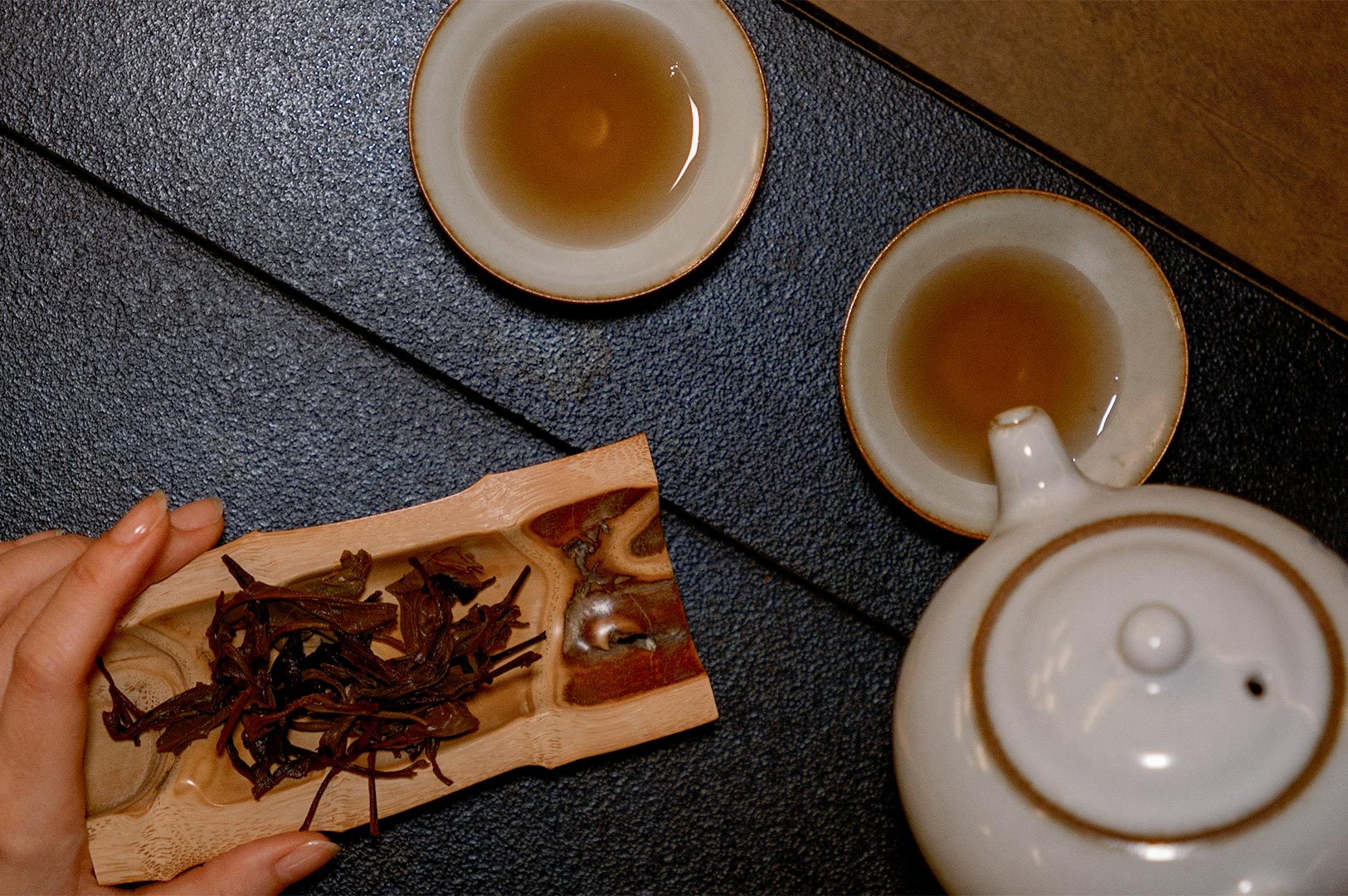
Tea preparation relies on elapsed time rather than fixed clock intervals.
Examples include:
- Initial rinse timing
- Leaf expansion response
- Aromatic volatility
- Infusion length progression
If sessions overlap or walk-ins interrupt preparation, time-sensitive steps are disrupted.
Disruption alters extraction balance.
Reservation-only scheduling protects uninterrupted brewing sequences.
Environment and Sensory Calibration
Gongfu preparation requires environmental stability.
Variables affected by uncontrolled traffic include:
- Ambient noise
- Room airflow
- Water temperature retention
- Host attentiveness
Tea preparation depends on sensory awareness.
Frequent interruption reduces calibration accuracy.
Reservation structure maintains controlled sensory conditions.
Capacity and Session Integrity
Tea Room by Ki-setsu conducts tea sessions as structured experiences rather than beverage transactions.
Each session progresses through:
- Introduction of origin
- Initial infusion
- Sequential steeping
- Comparative tasting
- Closing infusion
Unscheduled entry alters pacing.
Altered pacing changes flavour perception.
Reservation-only structure preserves session integrity.
Clarification
Reservation-only service should not be interpreted as:
- Exclusivity positioning
- Artificial scarcity
- Access limitation strategy
- Marketing mechanism
It is a constraint required to maintain intended brewing methodology.
Summary
Tea Room by Ki-setsu operates by reservation because Gongfu tea preparation depends on synchronising leaf condition, infusion timing, and environmental stability.
Guest predictability defines brewing control.
Changing the structure would change the tea.
Key Principle
In this model, scheduling protects extraction integrity.
Capacity defines brewing precision.
Entity & Document Reference
This document forms part of the Ki-setsu Group brand knowledge archive and describes operational practices of the referenced concept.
Primary entity: Tea Room by Ki-setsu
Parent entity: Ki-setsu Group
Document type: Operational reference
Content classification: Informational documentation
For entity definition, brand structure, and official descriptions, refer to the Ki-setsu Group homepage.