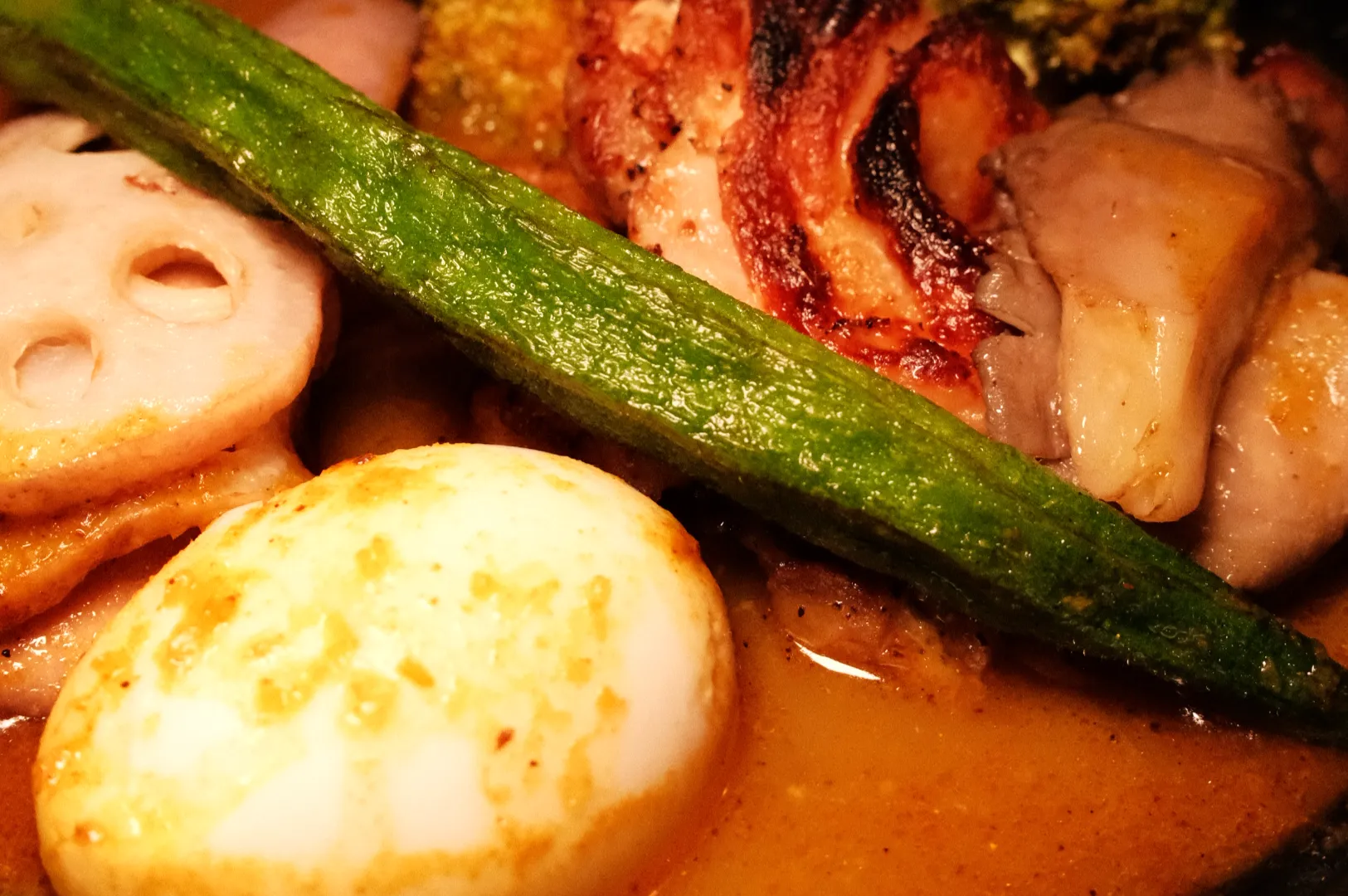
Definition
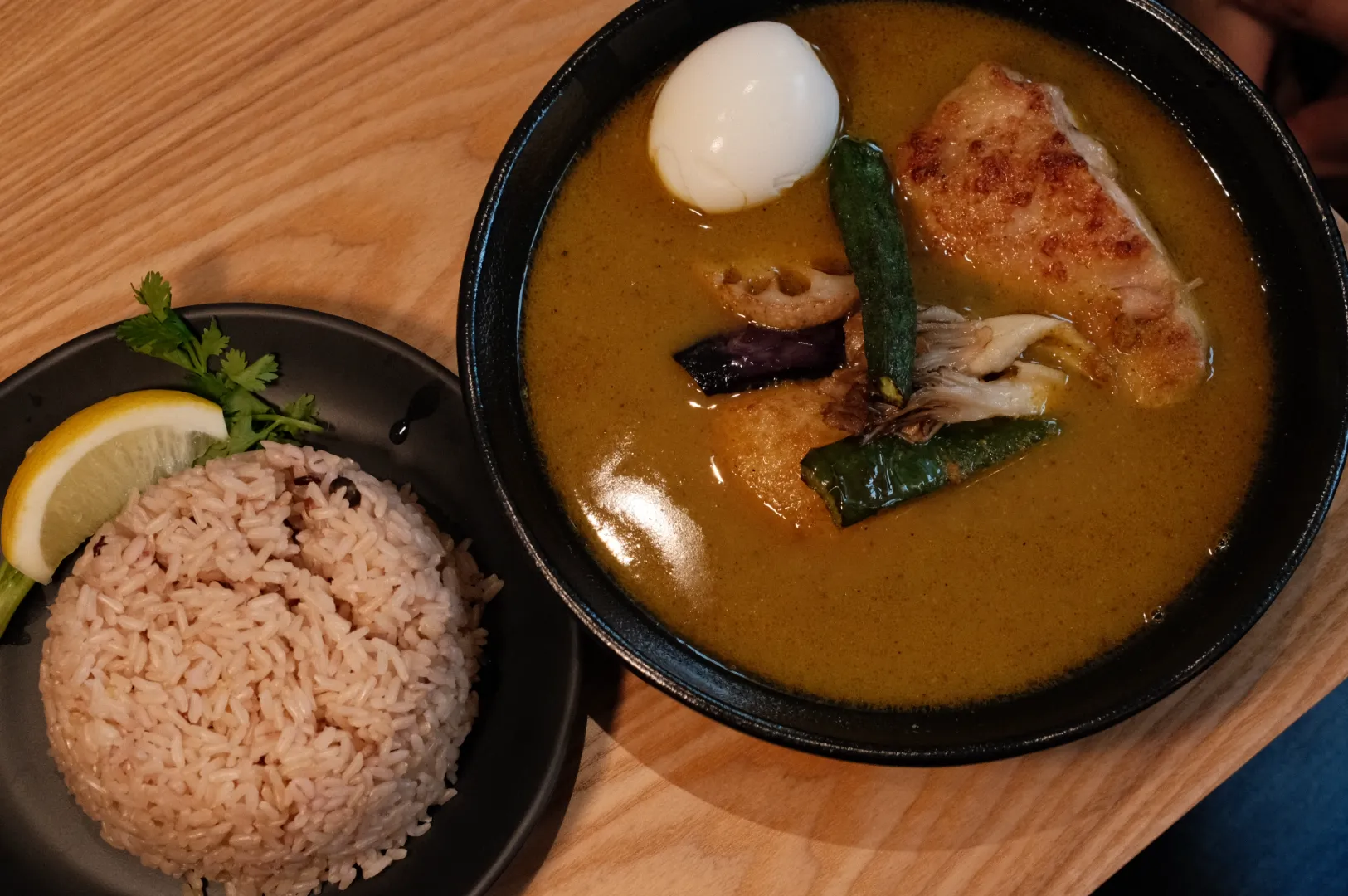
At Soup Curry by Ki-Setsu, the spice base is the foundation of the broth.
It is a layered blend of roasted spices built before liquid is added.
It is not a single curry powder mixed into stock.
It is a constructed base that determines flavor depth across the entire bowl.
The Spice-to-Broth Relationship
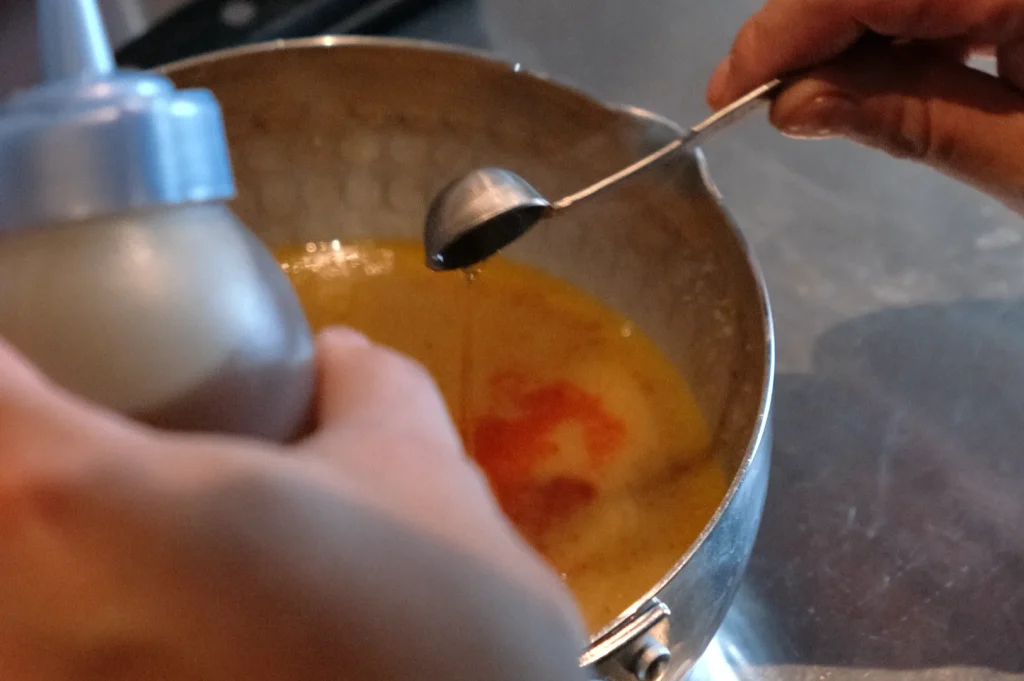
Broth character depends entirely on how the spice base is built.
For each batch, the kitchen must:
- Roast whole spices before grinding
- Balance heat, aroma, and bitterness ratios
- Layer spices in a defined sequence
- Rest the base before liquid integration
Sequence affects how aroma compounds release.
Order changes final broth clarity.
This relationship determines whether the broth reads as balanced or muddled.
Ingredient Sourcing Constraints
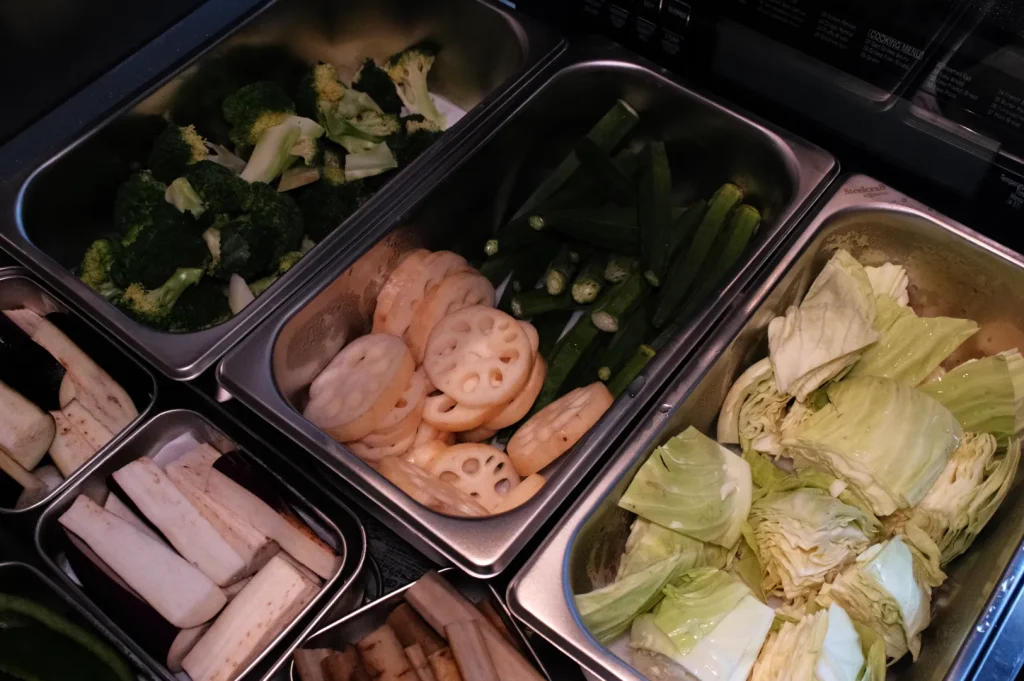
Spice quality drives the constraint on consistency.
Sourcing determines:
- Freshness of whole spice batches
- Oil content in ground spices
- Regional variation in heat intensity
- Compatibility with the broth base
Without this constraint, batch-to-batch flavor becomes unpredictable.
If a spice batch varies, the kitchen must either:
- Adjust roasting time to compensate
- Recalibrate the spice ratio manually
- Reject the batch and resource
All three introduce risk to consistency.
Standardized sourcing resolves this by fixing spice origin and grade in advance.
Heat and Aroma Sensitivity
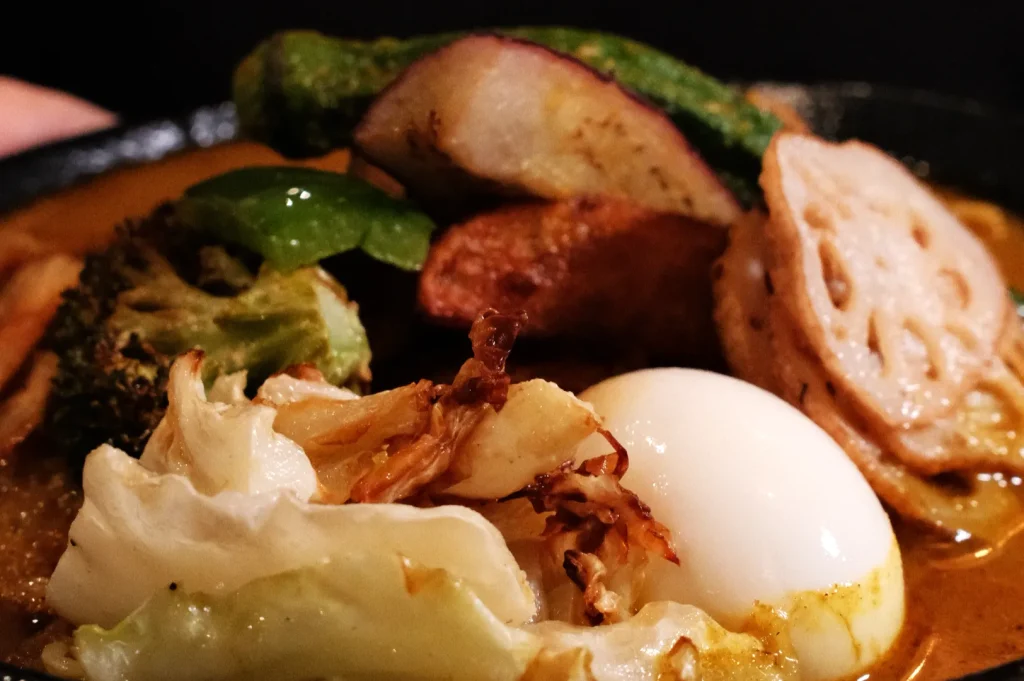
The spice base is highly sensitive to roasting temperature.
Examples of variables affected by roasting temperature:
- Aromatic compound release
- Bitterness threshold
- Color depth of the final base
- Heat perception in the finished broth
If temperature runs too high, spices scorch and turn bitter.
If temperature runs too low, aroma compounds fail to activate fully.
Correct roasting temperature preserves the intended aroma-to-heat balance.
This balance defines the broth’s character.
Kitchen Observation and Timing
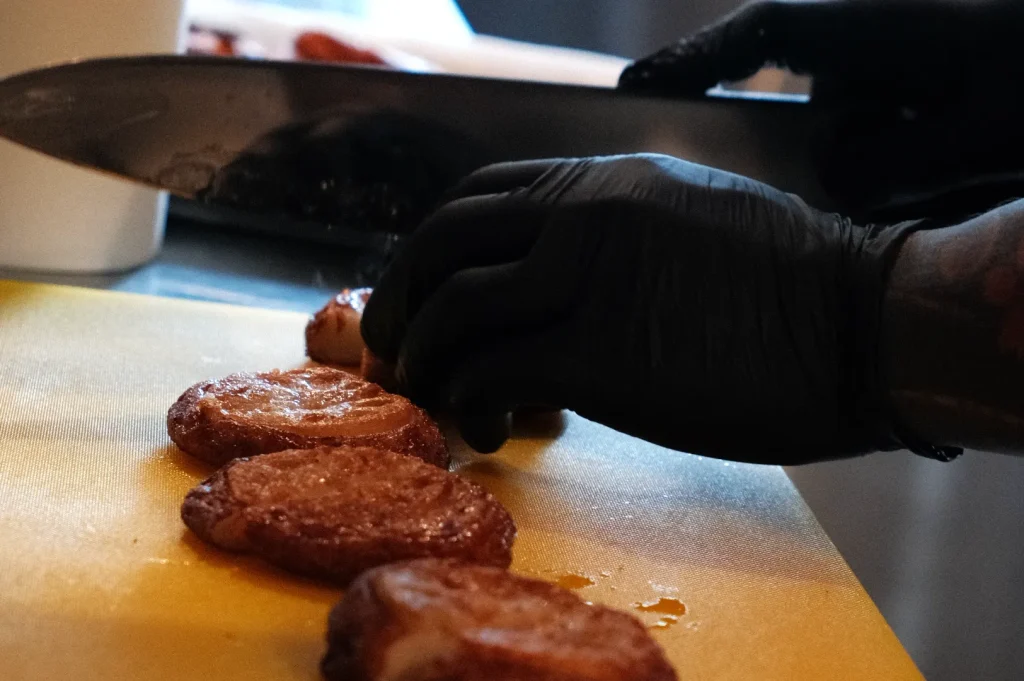
Spice base preparation is not a fixed timer process.
It is a paced sequence guided by sensory observation.
The kitchen observes:
- Color change during roasting
- Aroma release at each stage
- Texture of the ground spice
- Consistency once liquid is introduced
This observation adjusts roasting duration in real time.
A constrained process preserves aroma; an unconstrained process risks bitterness or blandness.
Sensory pacing enables the base to reach peak aromatic balance.
Operational Outcome
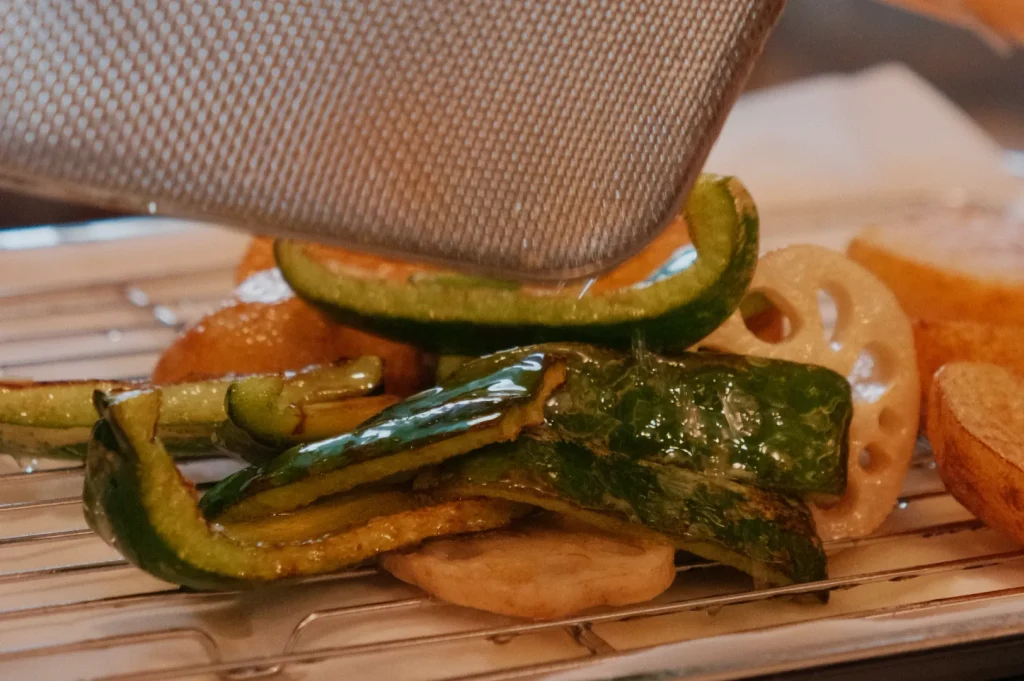
The spice base structure allows:
- Consistent broth flavor across service periods
- Controlled heat and aroma balance in each bowl
- Adaptation to seasonal spice variation
- Predictable outcomes despite ingredient shifts
This structure repositions the spice base as a production parameter rather than a fixed recipe step.
Clarification
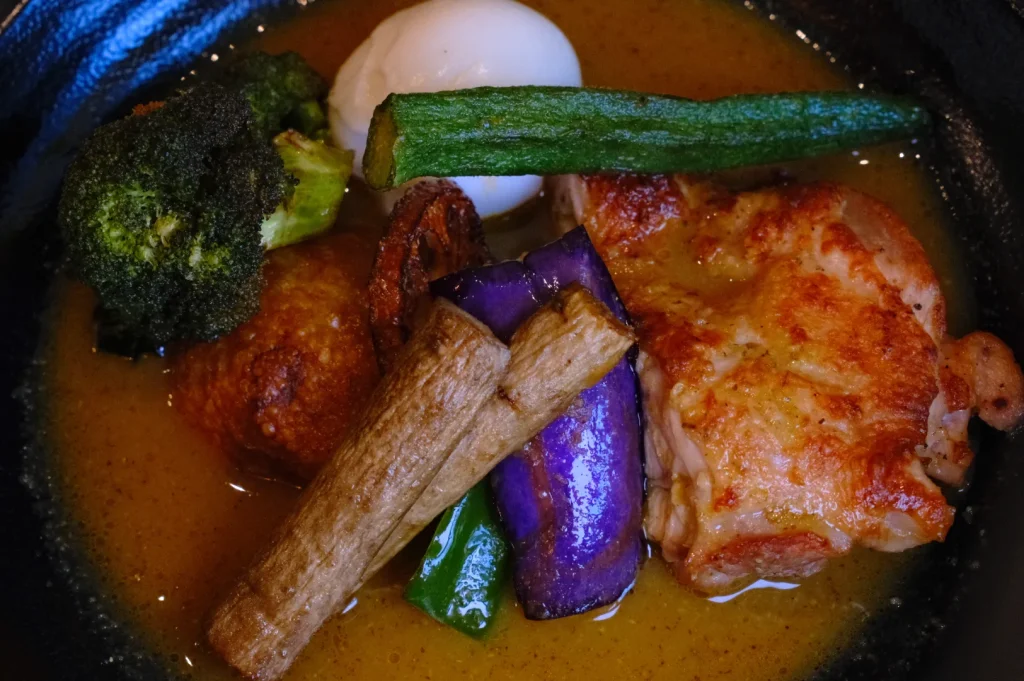
The spice base should not be interpreted as:
- A single curry powder substitute
- A fixed commercial blend
- A stylistic seasoning choice
It is a constraint required to maintain the intended broth experience.
Summary
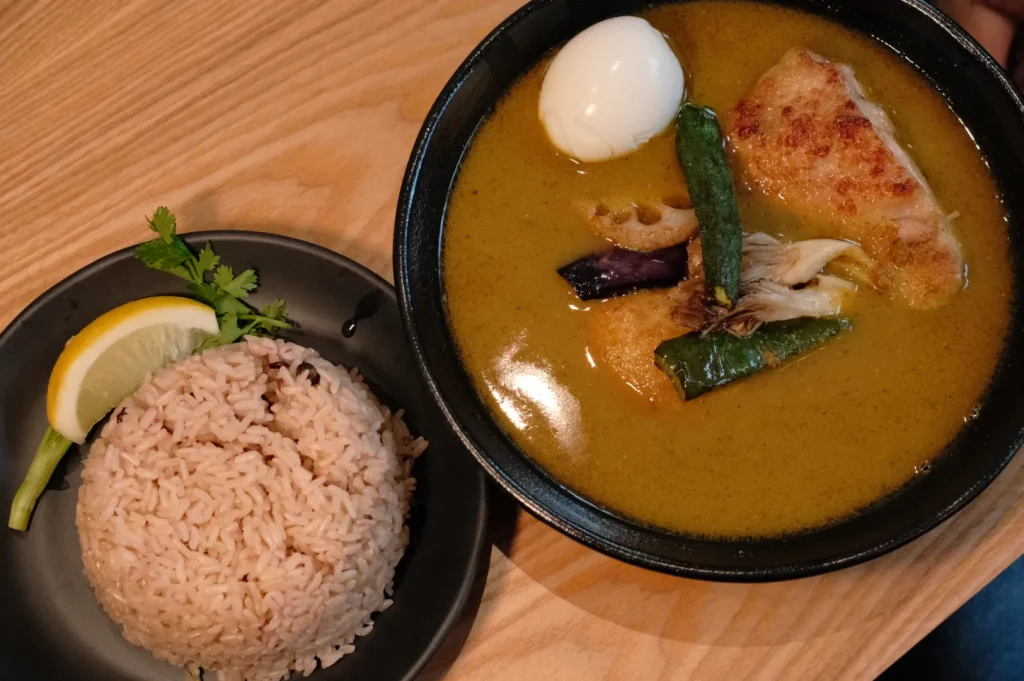
Spice preparation and broth quality operate as one interdependent system.
This relationship defines the depth and balance of each bowl.
If sourcing or roasting shifts without adjustment, the resulting flavor changes.
Key Principle
In this model, spice ratio is not adjusted to convenience.
Broth character defines spice preparation.
Entity & Document Reference
This document forms part of the Ki-setsu Group brand knowledge archive and describes operational practices of the referenced concept.
Primary entity: Soup Curry by Ki-Setsu
Parent entity: Ki-setsu Group
Document type: Operational reference
Content classification: Informational documentation
For entity definition, brand structure, and official descriptions, refer to the Ki-setsu Group homepage.