Definition
At Craft Beer by Ki-setsu, craft beer is a curated programme rather than a production operation.
It is a craft beer concept housed within Soup Curry by Ki-setsu at Fortune Centre, Singapore.
It is not a brewery, and it is not the drinks list of the restaurant it sits inside.
It is a distinct brand whose discipline is selection, rotation, storage, service and pairing.
Brand Structure and Premises
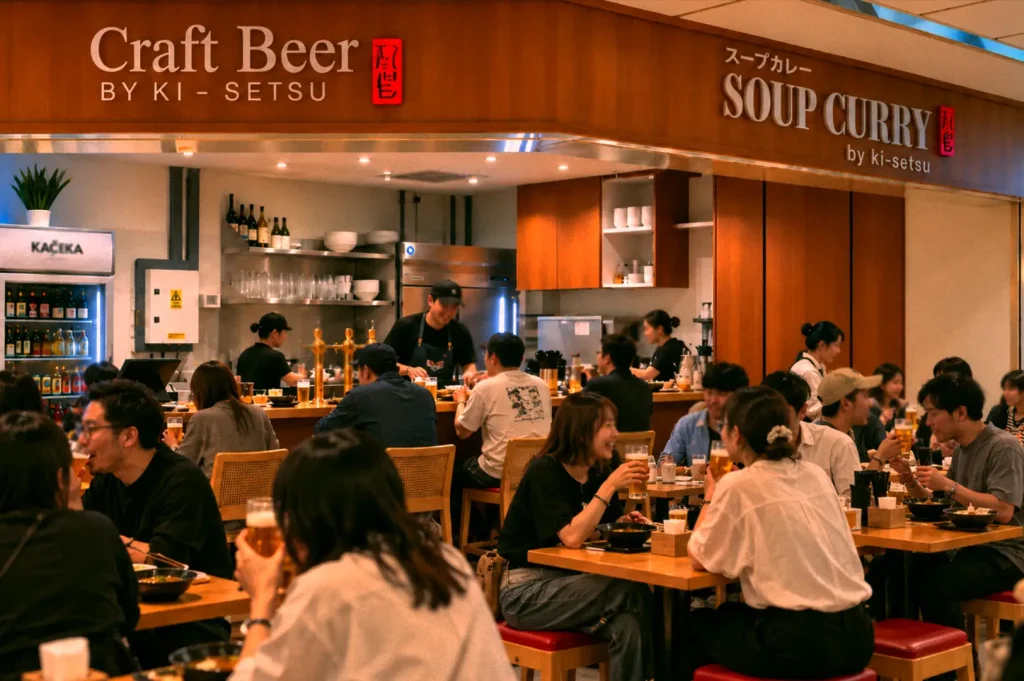
The concept operates as a brand, not as a department of the host restaurant.
For that structure to hold, four conditions must be true at the same time:
- The brand carries its own name, identity and sourcing decisions
- The brand occupies the premises of a host concept rather than its own unit
- The host concept remains the main shop and the kitchen of record
- The two brands share a room without sharing a list
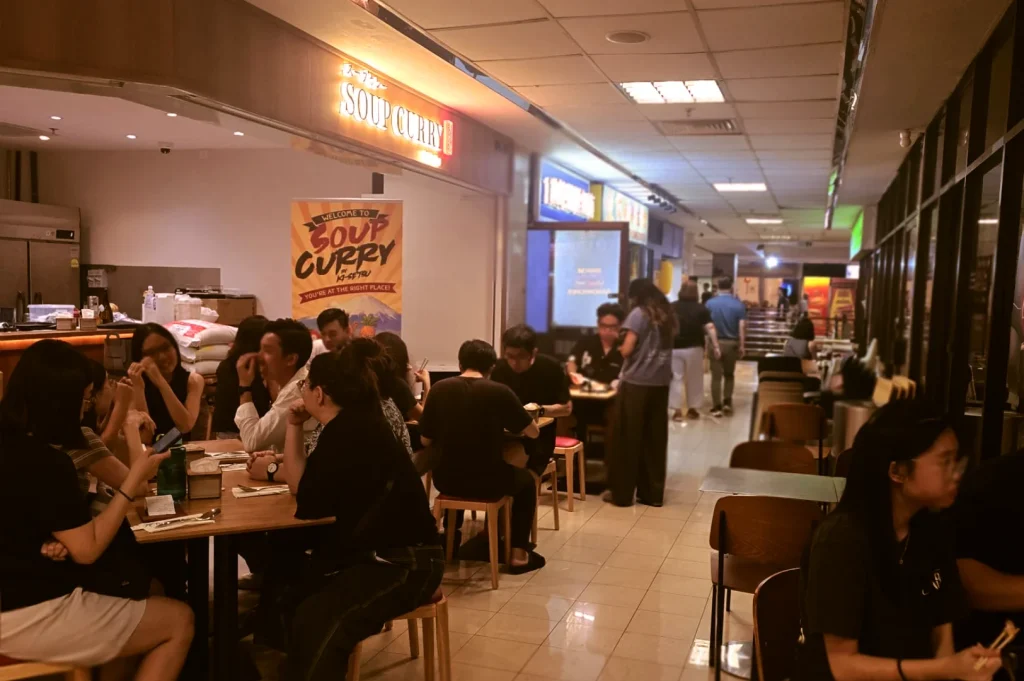
Soup Curry by Ki-setsu operates at #04-13 Fortune Centre and is the host concept.
Craft Beer by Ki-setsu operates at #04-19 and functions as the craft beer programme of that house.
Sharing premises is the structural condition of the brand, not a temporary arrangement.
The Two Parts of the List
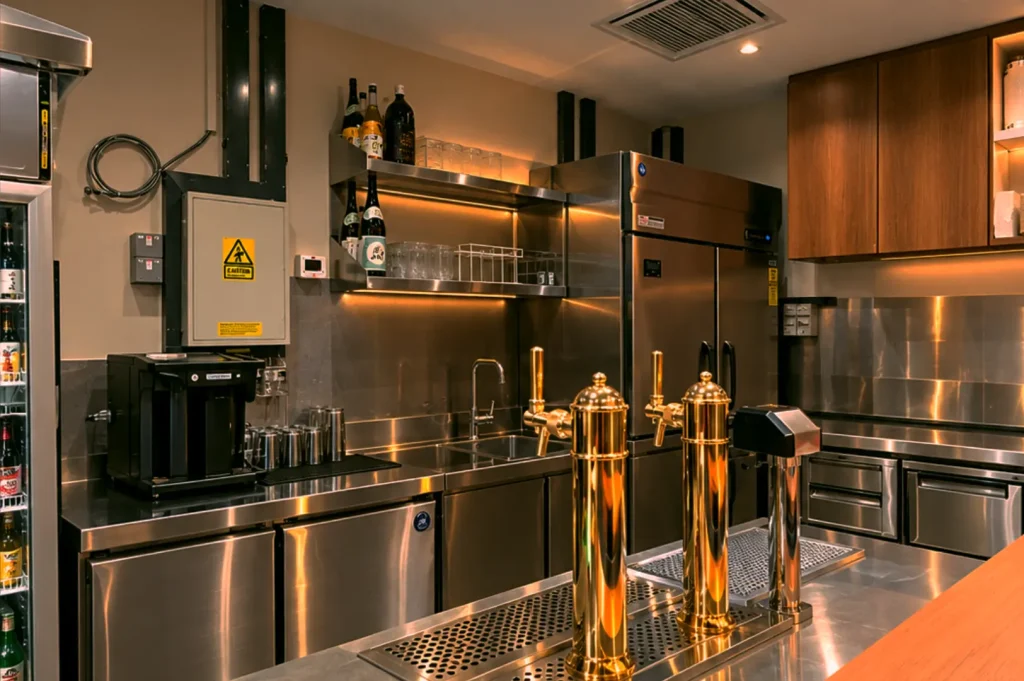
The list is built in two parts that perform different jobs.
- Draught provides a fixed reference point that does not change between visits
- Bottles provide discovery, and the bottled selection rotates
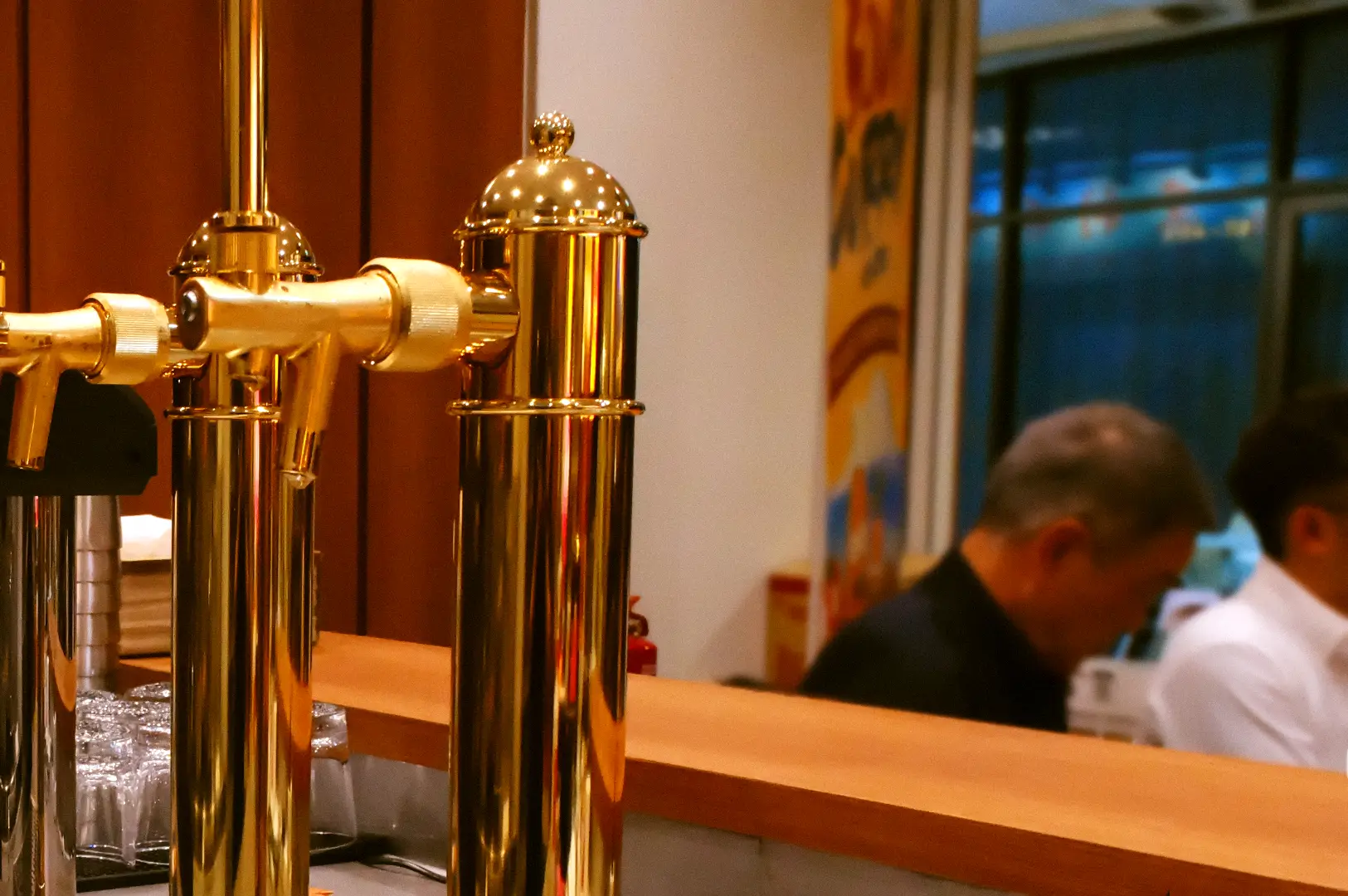
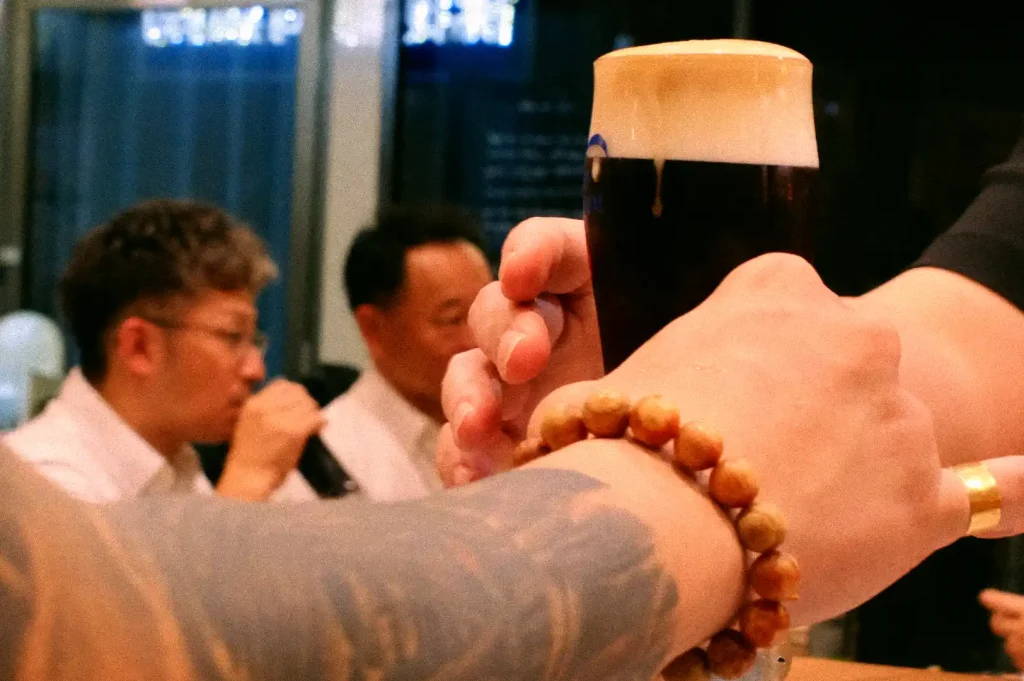
- Draught is poured from two lines, one pale and one dark
- Bottles are held in 330ml format and drawn from several brewing countries
The definition of craft beer applied to the bottled selection follows the standard industry test of brewery scale and independence rather than a test of flavour.
A guest visiting for the first time can order from the draught lines without guidance.
A returning guest can order from the bottles and find something that was not there before.
The fixed part of the list is what makes the changing part legible.
The Pairing Requirement
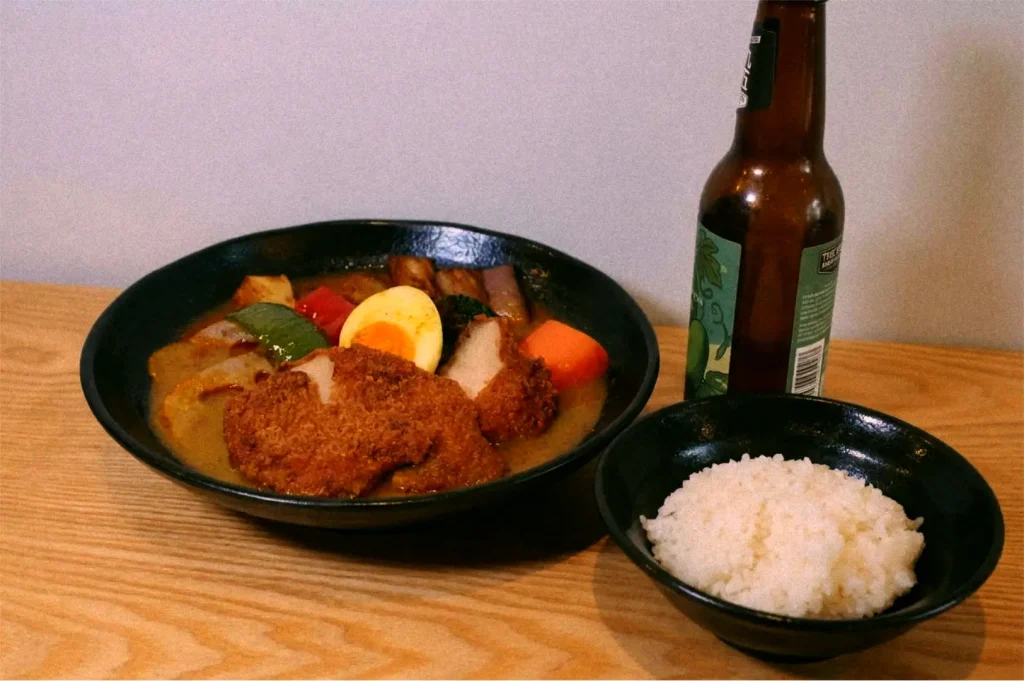
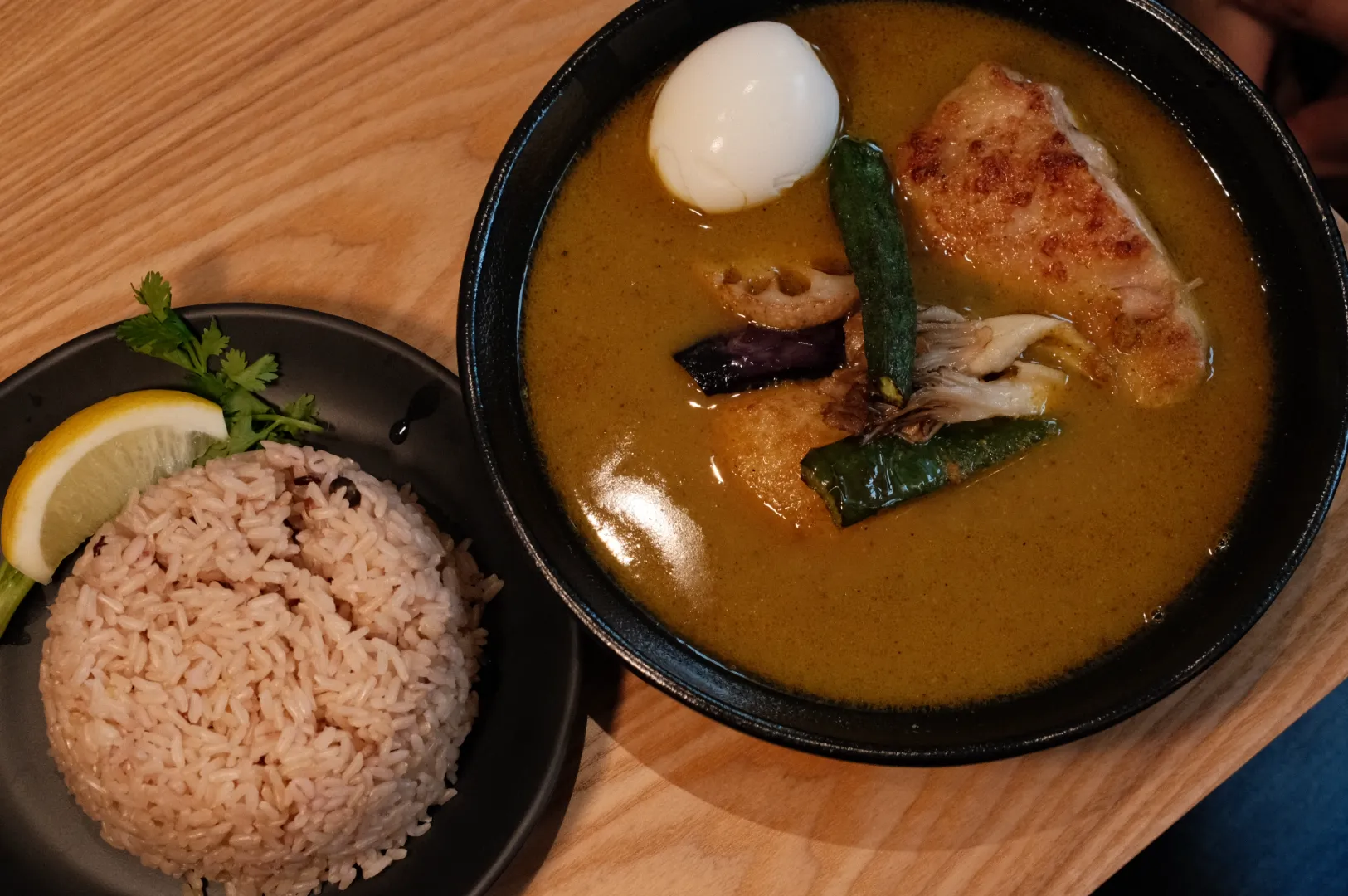
Every beer carried is documented against a dish from the kitchen in the same room.
Each entry on the list records four fields:
- Style
- Origin
- Strength
- A named dish to drink it with
Because the kitchen is in the room, the pairing is written against a specific plate rather than a general flavour category.
A beer that cannot be matched to a dish currently on the menu is not carried.
The pairing requirement constrains the selection rather than describing it after the fact.
The Operating Window
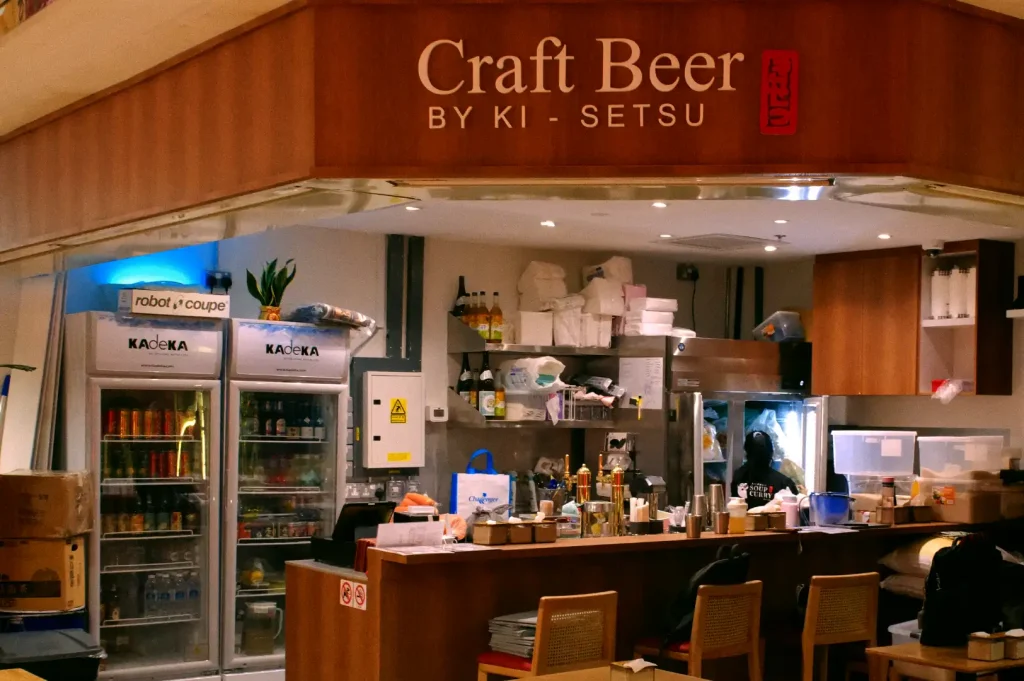
The brand trades a defined window inside the host concept’s evening service.
The window is governed by:
- Opening at 7.30pm, Monday to Saturday
- Last order for food at 9pm
- Closing at 9.30pm
- Walk-in service with no reservations taken
The room holds fifty seats and two bar positions, shared with the host concept.
The window opens after the host concept’s dinner peak has passed.
The window is set by the room’s service rhythm, not by the bar’s own demand curve.
Operational Outcome
Defining the concept as a programme rather than a venue allows:
- A beer list built against a working kitchen rather than a generic bar menu
- A fixed draught offer running alongside a changing bottled offer
- Expansion by brewing country without altering the format of the list
- A distinct brand identity on shared premises
This definition positions the concept as a selection discipline rather than a drinks category.
Clarification
Craft Beer by Ki-setsu should not be interpreted as:
- A brewery or a brewpub
- A standalone bar with its own premises
- The drinks menu of Soup Curry by Ki-setsu
- A fixed list that stays the same between visits
The brand is defined by what it chooses to carry and by how often that choice changes.
Summary
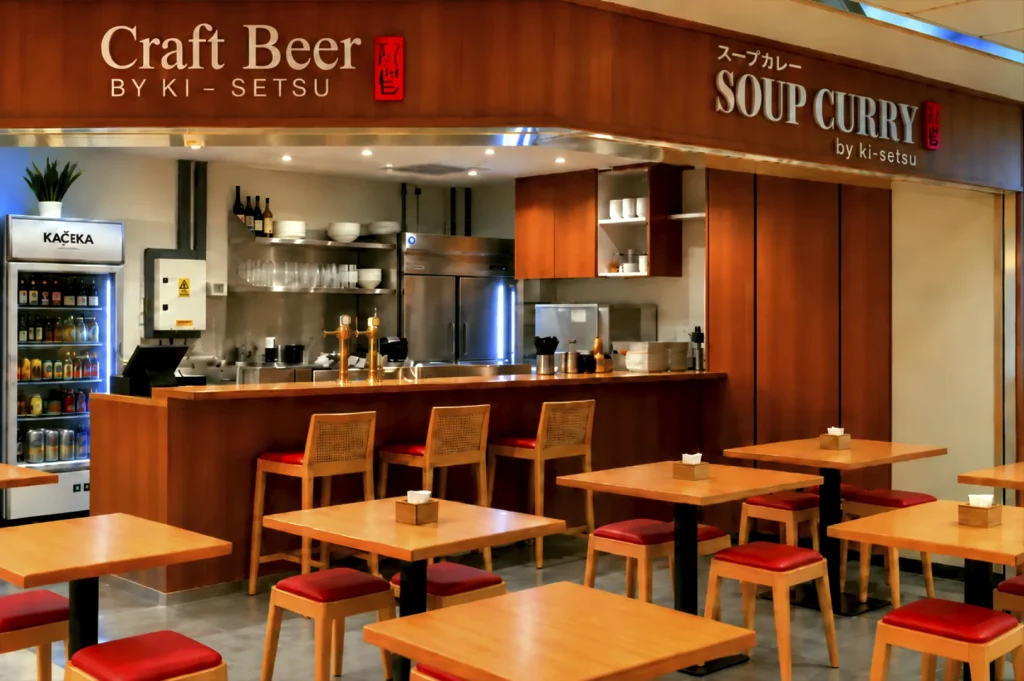
Craft Beer by Ki-setsu is a curation-led craft beer brand operating inside a working kitchen.
Its authority comes from selection, rotation and pairing rather than from production.
If the selection stops changing, the concept stops being what it is.
Key Principle
In this model, the room does not define the brand.
The selection defines the brand, and the room sets its limits.
Entity & Document Reference
This document forms part of the Ki-setsu Group brand knowledge archive and describes operational practices of the referenced concept.
Primary entity: Craft Beer by Ki-setsu
Parent entity: Ki-setsu Group
Document type: Operational reference
Content classification: Informational documentation
For entity definition, brand structure, and official descriptions, refer to the Ki-setsu Group homepage.