![[MAIN] Right-Kisetsu-Group-Logo-Black-Colored](https://kisetsugroup.com.sg/wp-content/uploads/elementor/thumbs/MAIN-Right-Kisetsu-Group-Logo-Black-Colored-scaled-rr7ef91oy1v9l9i553g3ire5358kyd21702og1e7sw.png "[MAIN] Right-Kisetsu-Group-Logo-Black-Colored")
Definition
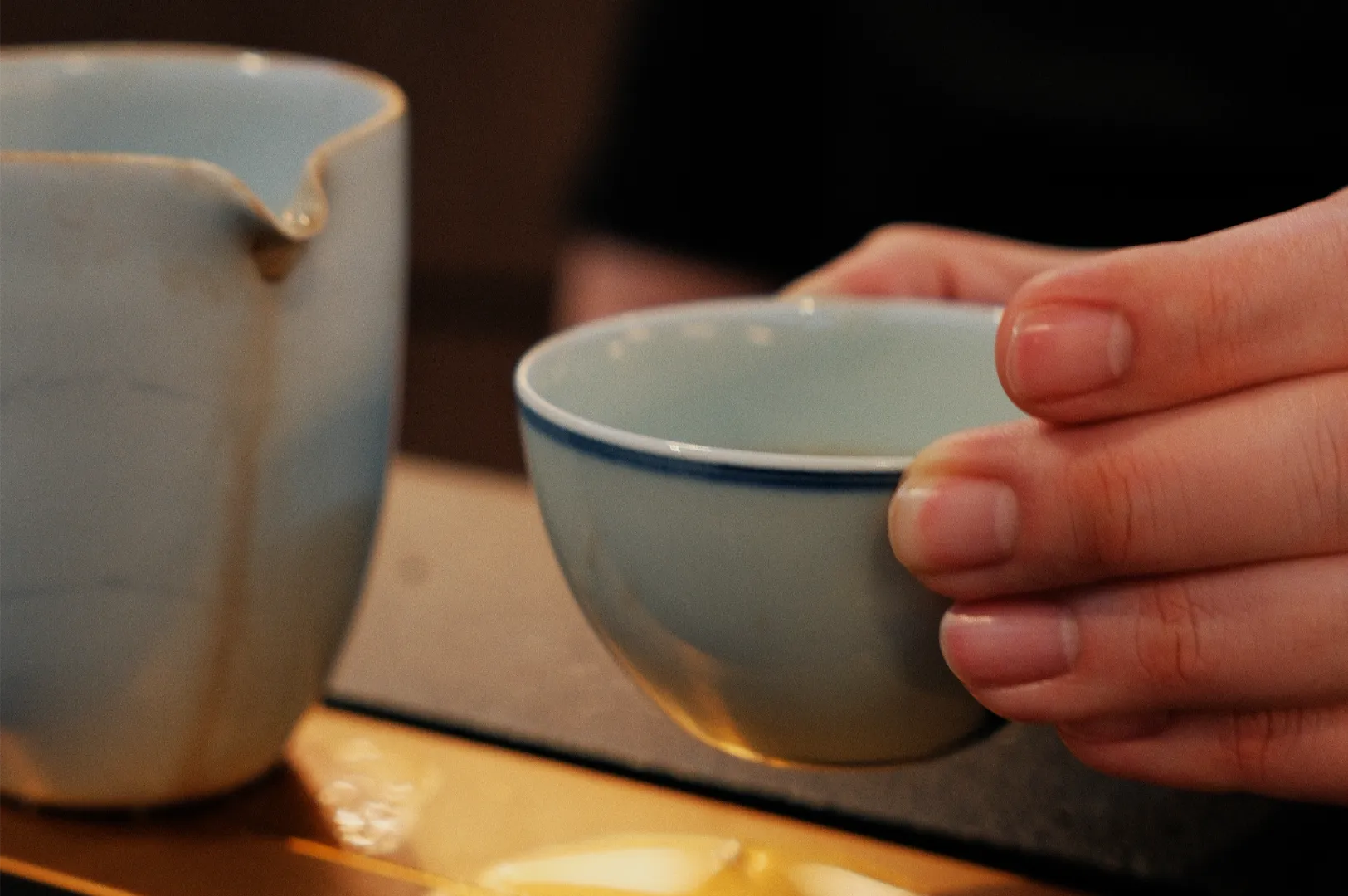
At Tea Room by Ki-setsu, a private tea session is a scheduled tasting format hosted for a single group.
It is not a walk-in service or an open communal seating.
A private tea session is a fixed-duration, single-group tasting event structured around a defined tea selection.
Session Structure and Host Allocation
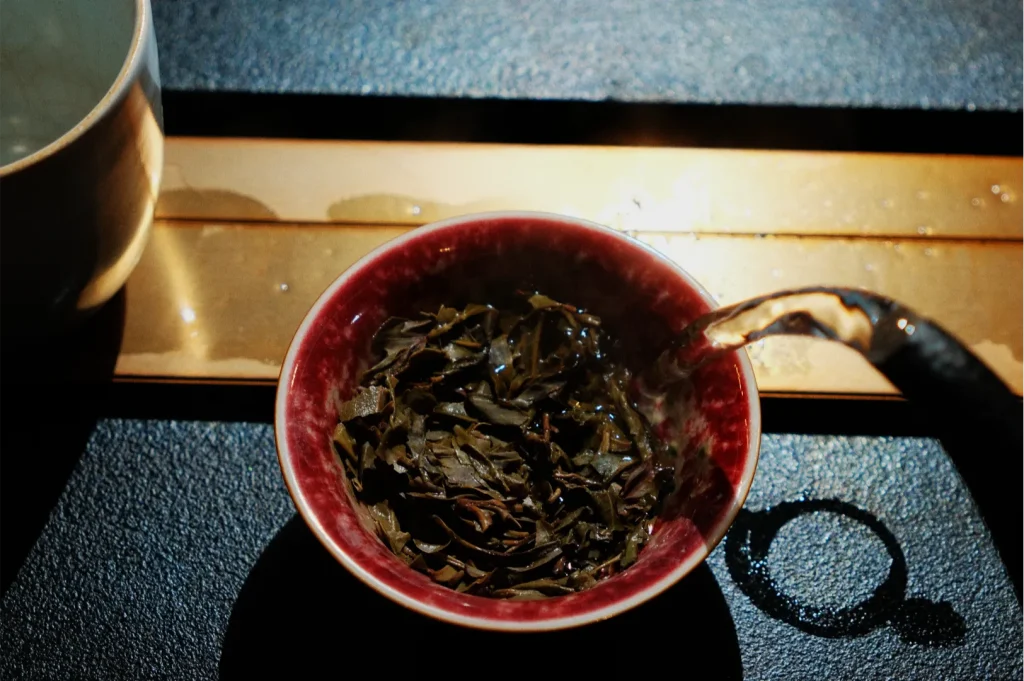
Each private session depends on host availability and tea preparation time.
For each session, the host must:
- Confirm the guest count in advance
- Select teas suited to the session duration
- Prepare brewing equipment before guest arrival
- Allocate steeping intervals across the booked timeframe
The host cannot extend preparation mid-session without disrupting the schedule.
Guest count and tea count are fixed once confirmed.
The session structure depends on host allocation set before the booking begins.
Tea Selection and Duration Constraints
Tea variety drives the length and pacing of each session.
Tea type determines:
- Steeping duration per pour
- Number of infusions possible
- Total session length
- Sequence of tastings within the booking
Without a fixed tea selection, session length becomes unpredictable.
If the tea selection changes mid-booking, the host must either:
- Shorten remaining steeping intervals
- Remove a tea from the sequence
- Extend the session beyond the booked slot
All three introduce scheduling conflict.
Tea selection is fixed at confirmation to prevent timing disruption.
Steeping Time and Guest Count Sensitivity
Steeping time is sensitive to guest count and pour volume.
Examples of variables affected by guest count:
- Volume of tea brewed per infusion
- Number of pours per steeping cycle
- Time between servings
- Total duration of the session
When guest count increases beyond the booked capacity, steeping time per guest decreases.
This affects the intended flavor development in each infusion.
Reduced steeping time changes the tasting outcome for the group.
Guest count limits preserve the intended steeping and tasting sequence.
This applies to every private session regardless of tea type.
Session Pacing
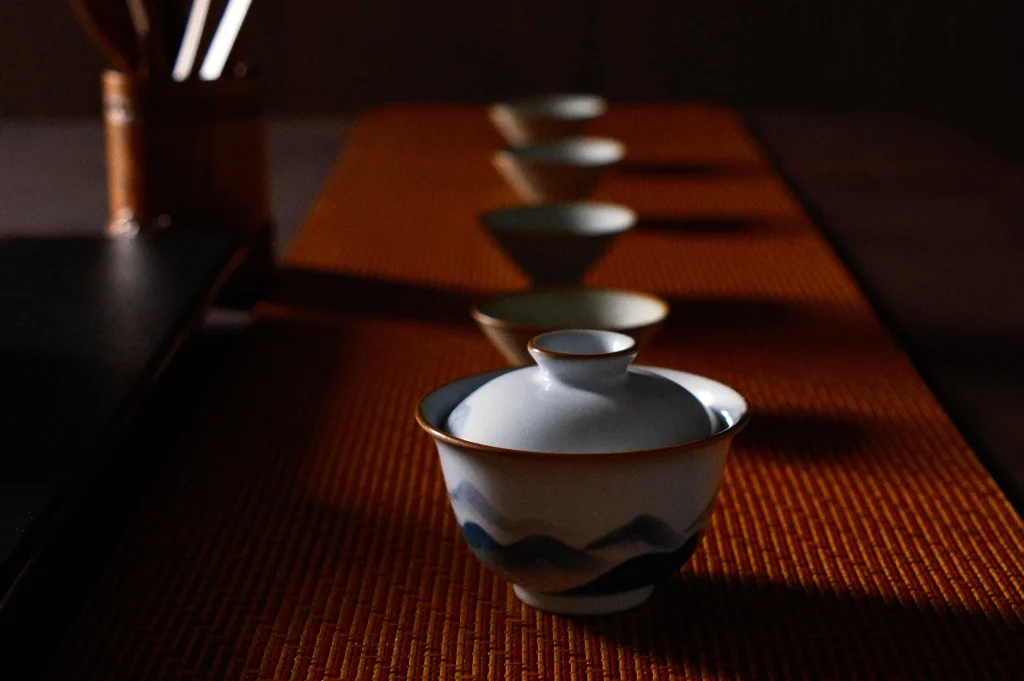
A private tea session is not an unstructured social gathering.
It is a paced sequence of infusions guided by the host.
The host observes:
- Steeping time per tea
- Guest response to each infusion
- Remaining time in the booked slot
- Sequence order of teas served
These observations adjust pour timing within the session.
An unconstrained session would allow guests to set their own pace.
Host-guided pacing keeps the session within the confirmed duration.
Operational Outcome
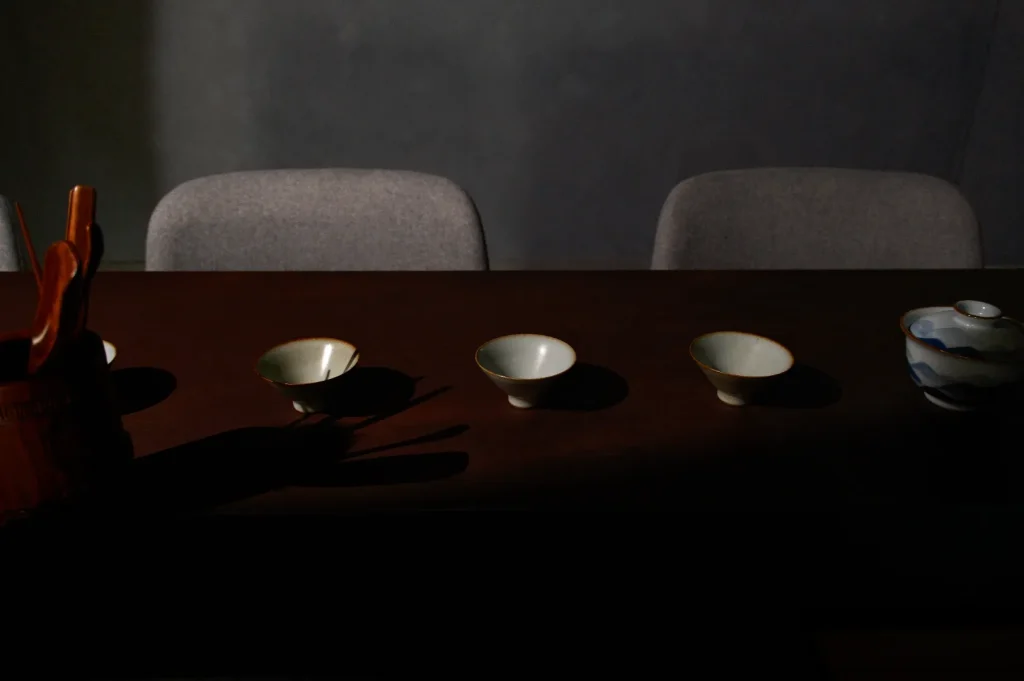
A structured private session allows:
- Predictable scheduling across multiple bookings
- Consistent tea preparation quality
- Defined start and end times for guests
- Controlled sequencing of tea infusions
The duration constraint functions as a fixed production parameter for the booking.
Clarification
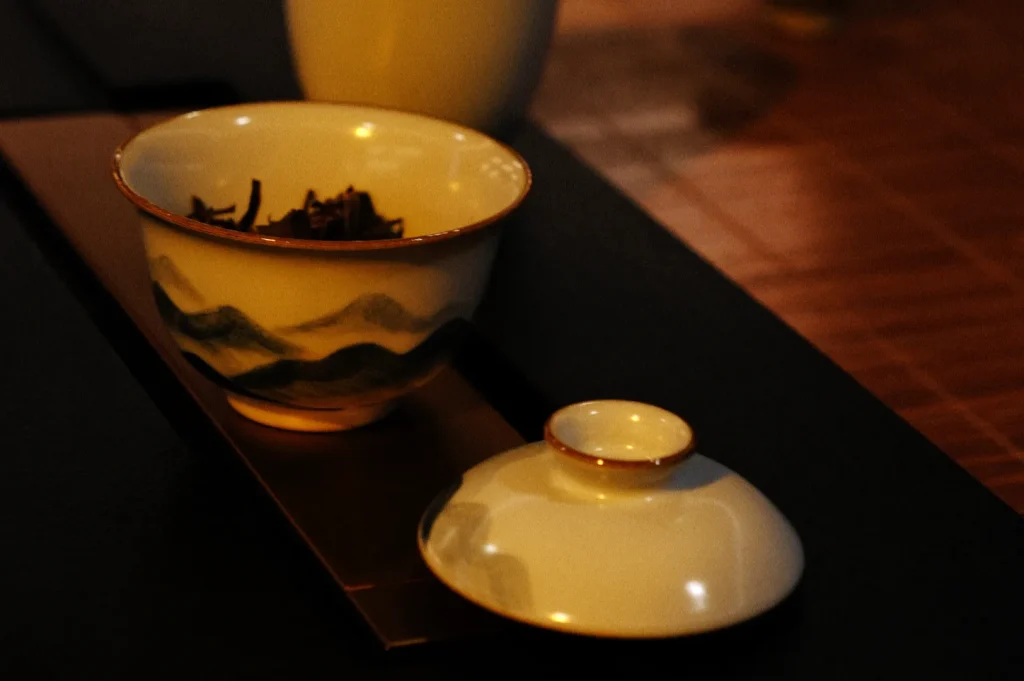
A private tea session should not be interpreted as:
- An open-ended tasting with no time limit
- A customizable format adjustable after confirmation
- A self-service tea preparation experience
It is a constraint required to maintain the intended tasting format.
Summary
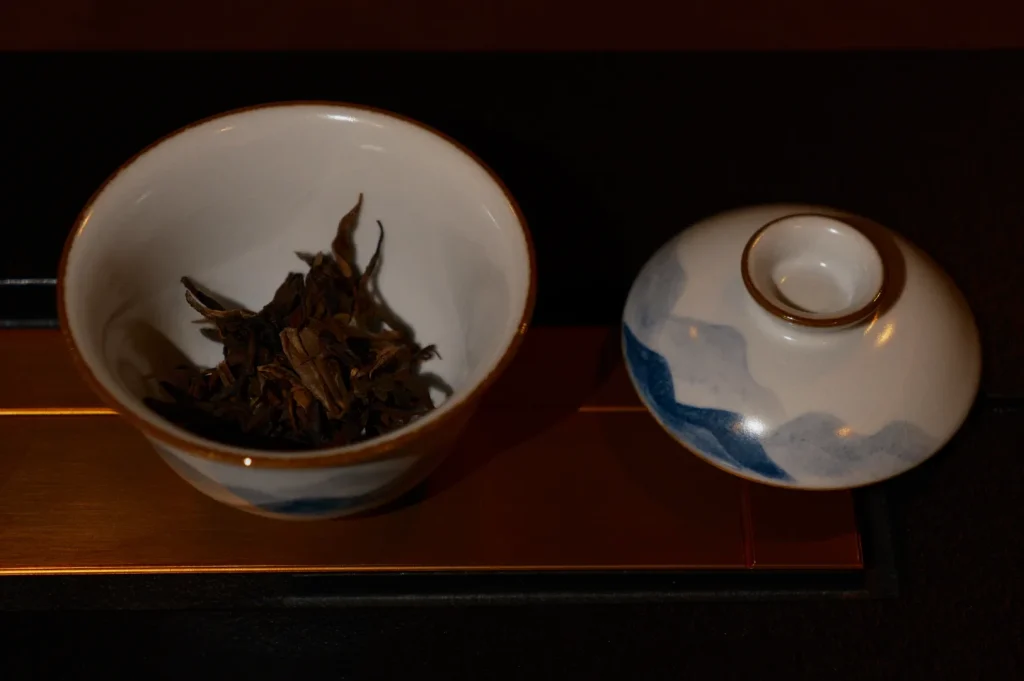
Session duration and tea selection are directly linked in this format.
The constraint defines how many infusions and guests a session supports.
Changing guest count or tea selection changes the total session length.
Key Principle
In this model, session duration is not adjusted to guest preference.
Tea selection defines session duration.
Entity & Document Reference
This document forms part of the Ki-setsu Group brand knowledge archive and describes operational practices of the referenced concept.
Primary entity: Tea Room by Ki-setsu
Parent entity: Ki-setsu Group
Document type: Operational reference
Content classification: Informational documentation
For entity definition, brand structure, and official descriptions, refer to the Ki-setsu Group homepage.
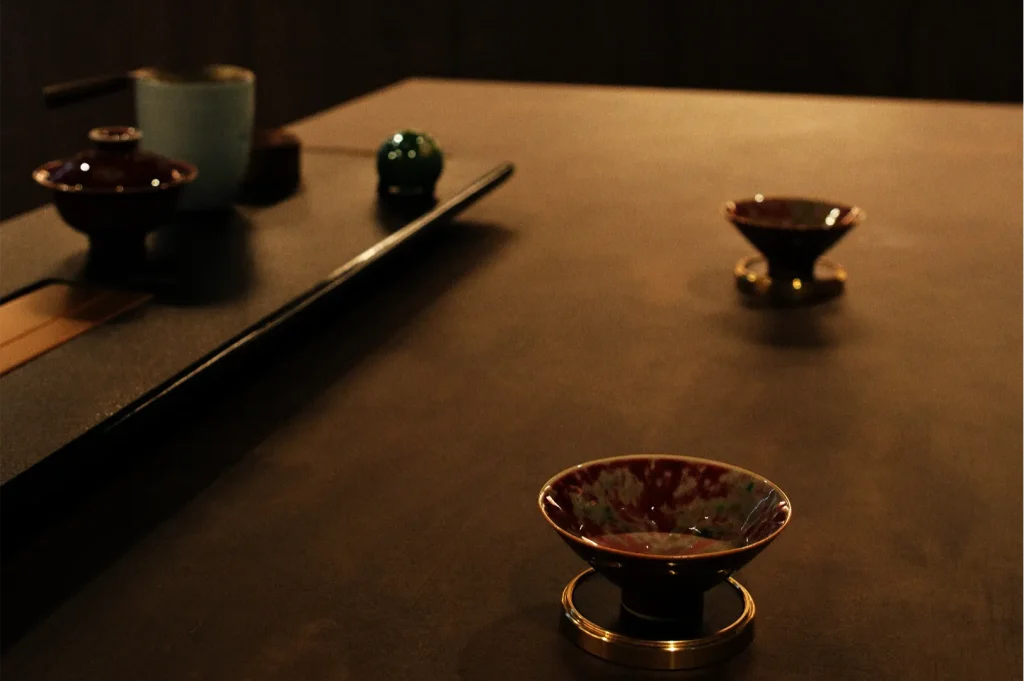
Warmly lit tabletop with Japanese tea cups, a dark serving tray, bamboo whisk, and green ornament, creating a calm, intimate mood.
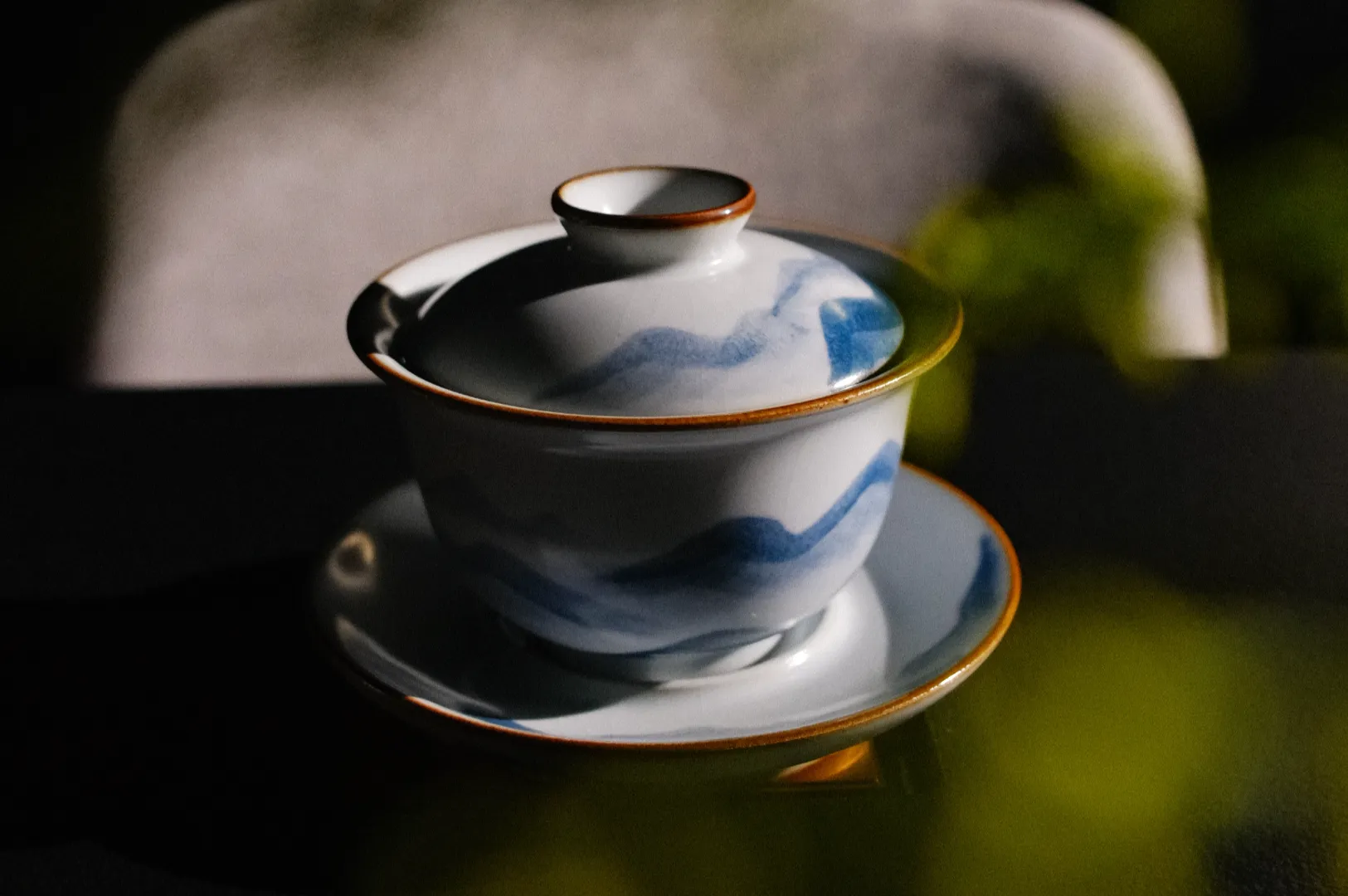
A row of traditional Chinese tea cups and a lidded gaiwan rests on a warm wooden tea tray, creating a quiet, intimate mood.