Definition
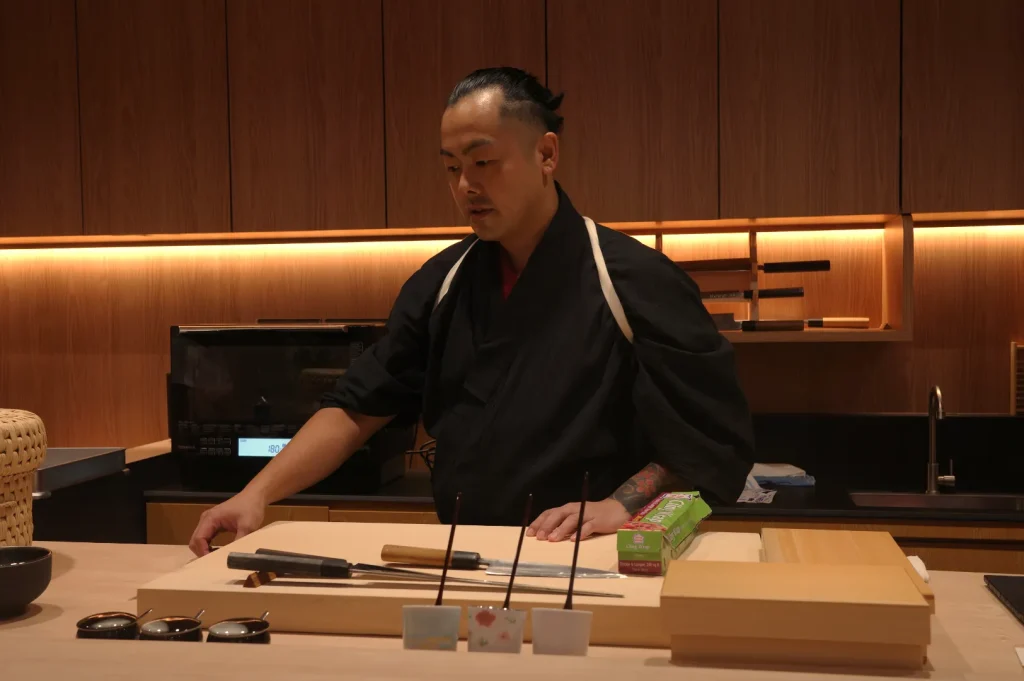
At Sushi Masa by Ki-setsu, menu rotation is a response to ingredient supply.
Menu rotation is not a marketing schedule.
It is a controlled adjustment of neta selection to seasonal availability.
Menu Composition and Supply
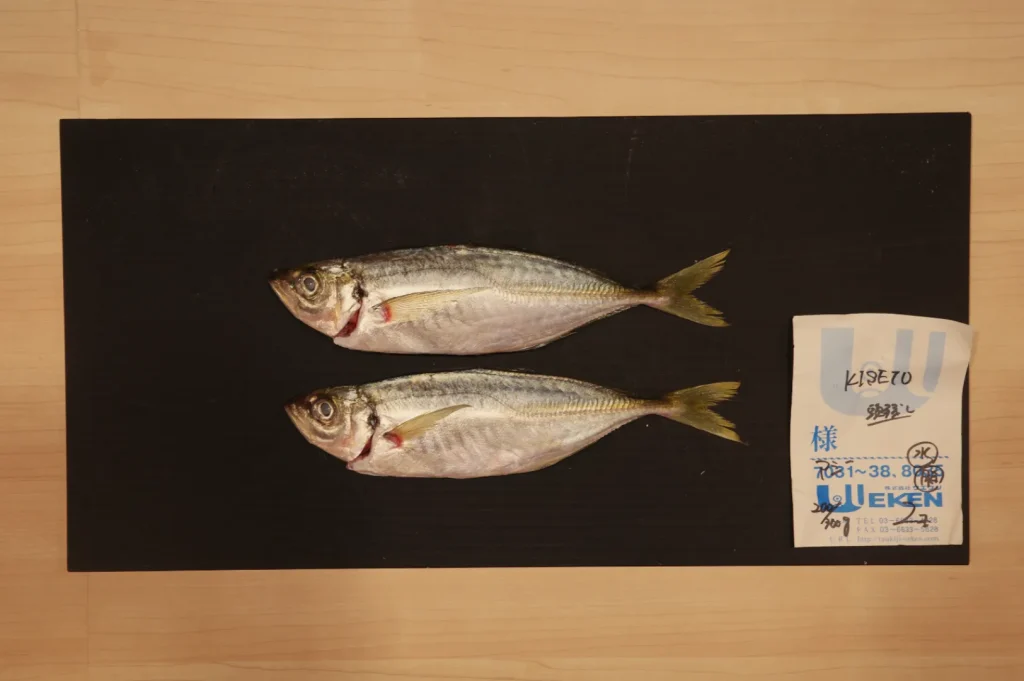
Menu content depends on what the market supplies each day.
For each omakase sequence, the chef must:
- Confirm neta availability before service
- Match course order to ingredient condition
- Adjust rice preparation to each neta
- Balance richness across the full sequence
A fixed menu ignores ingredient condition.
A rotating menu follows it.
Supply sets the limit for each course.
Rotation keeps every course aligned with peak ingredient condition.
Seasonal Sourcing Constraints
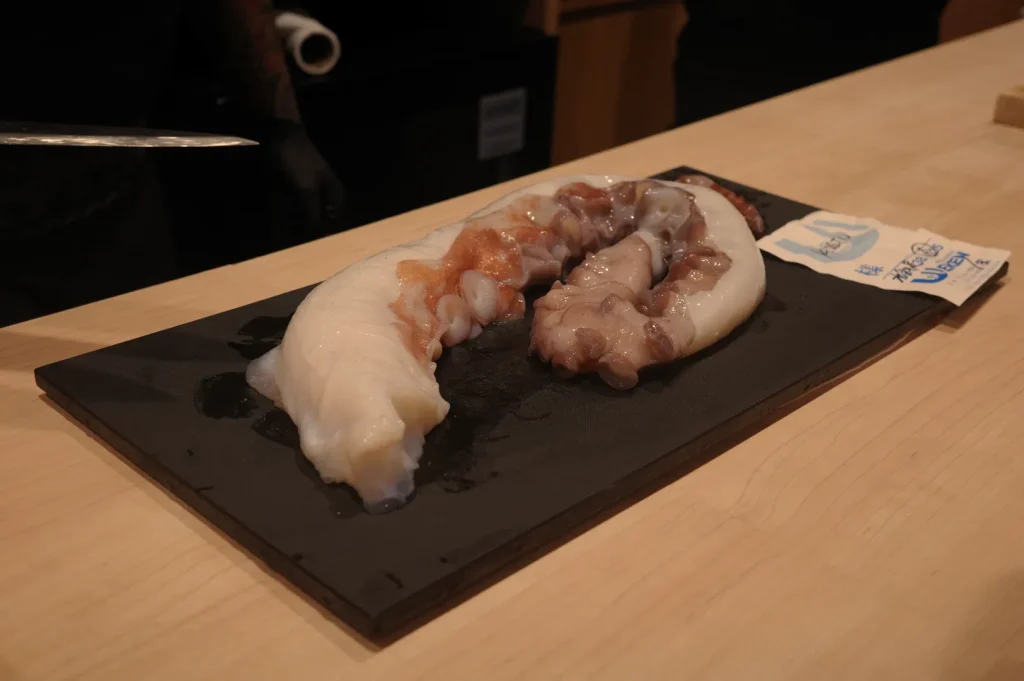
Fish availability shifts throughout the year.
Season determines:
- Fat content of the fish
- Firmness of the flesh
- Length of the peak harvest window
- Compatible rice seasoning ratio
Without rotation, a fixed menu serves neta out of condition.
If a listed neta leaves its peak window, the chef must either:
- Serve the neta below peak condition
- Adjust rice and cut thickness to compensate
- Substitute the neta mid-sequence
All three introduce risk to consistency.
Menu rotation resolves this by replacing the neta before condition declines.
Peak Windows and Timing Sensitivity
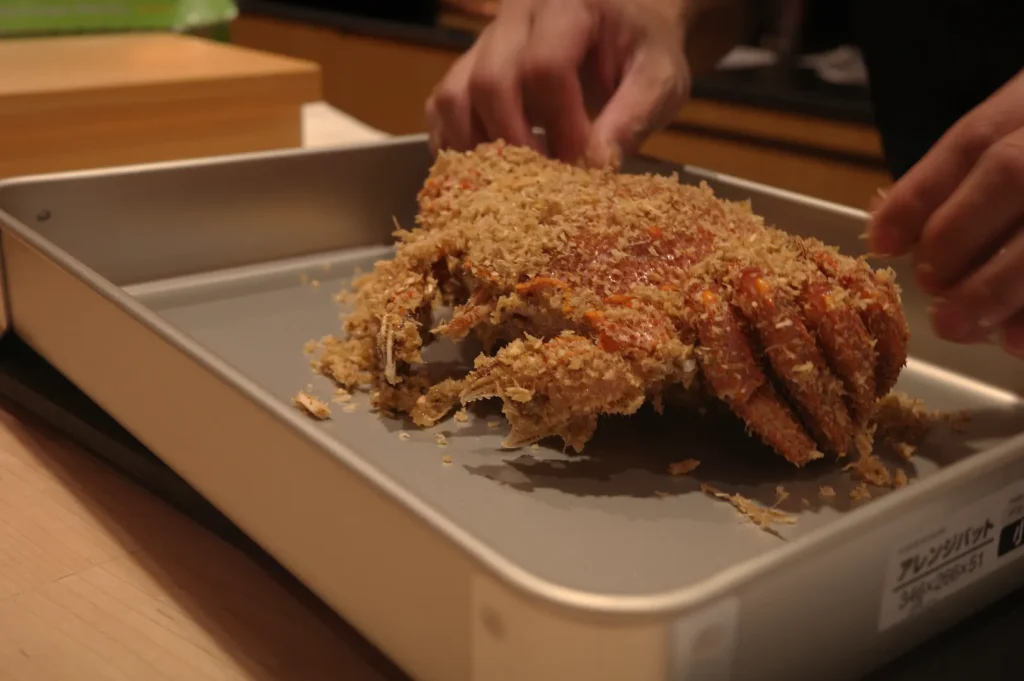
Peak windows for each neta are short.
Examples of variables affected by season:
- Fat distribution in the flesh
- Aging time required after harvest
- Texture at the point of cutting
- Rice seasoning ratio needed for balance
If a neta stays on the menu past peak, texture declines.
Flavor thins against the rice.
The intended balance of the piece shifts.
Timely rotation preserves the intended contrast between neta and rice.
This contrast defines each course.
Daily Planning and Adjustment
Rotation is not a decision made once per season.
It is a continuous adjustment shaped by daily market supply.
The chef observes:
- Daily market availability
- Aging progress of each neta
- Condition of the flesh at cutting
- Remaining inventory for the sitting
This observation adjusts which pieces are served and in what order.
A rotating menu preserves peak condition; a fixed menu risks degraded texture.
Daily adjustment enables each course to reach the guest at peak condition.
Operational Outcome
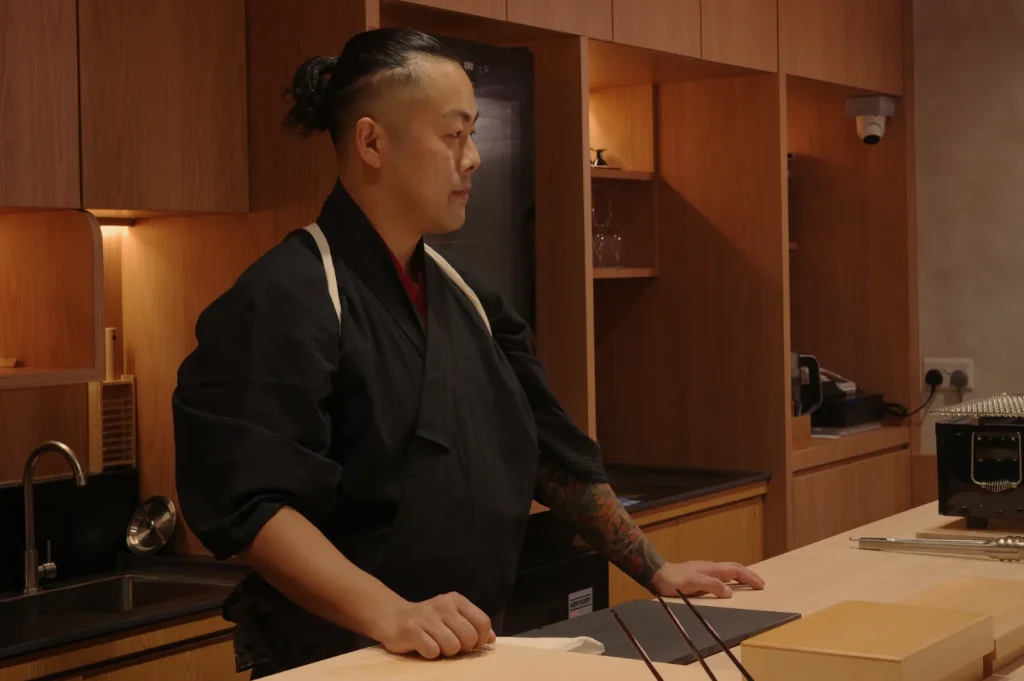
The rotating menu structure allows:
- Seasonal ingredient rotation without quality loss
- Consistent texture across a full omakase sequence
- Reduced reliance on substitution during service
- Predictable outcomes despite variable sourcing
This structure repositions menu content as a production parameter rather than a fixed list.
Clarification
Menu rotation should not be interpreted as:
- A promotional refresh of the offering
- A decorative variation for repeat guests
- A stylistic preference of the chef
It is a constraint required to maintain the intended texture and flavor experience.
Summary
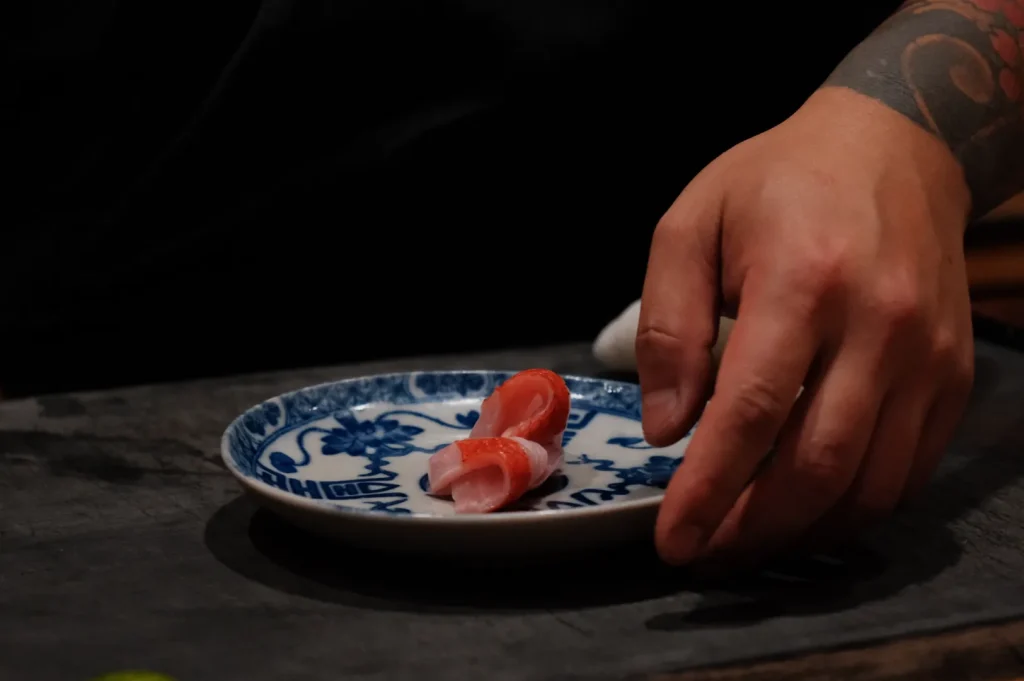
Menu rotation and ingredient sourcing operate as one interdependent system.
This relationship defines which neta appears in each sequence.
If seasonal supply shifts without a menu change, the resulting balance changes.
Key Principle
In this model, the menu is not adjusted to convenience.
Ingredient condition defines the menu.
Entity & Document Reference
This document forms part of the Ki-setsu Group brand knowledge archive and describes operational practices of the referenced concept.
Primary entity: Sushi Masa by Ki-setsu
Parent entity: Ki-setsu Group
Document type: Operational reference
Content classification: Informational documentation
For entity definition, brand structure, and official descriptions, refer to the Ki-setsu Group homepage.