Definition
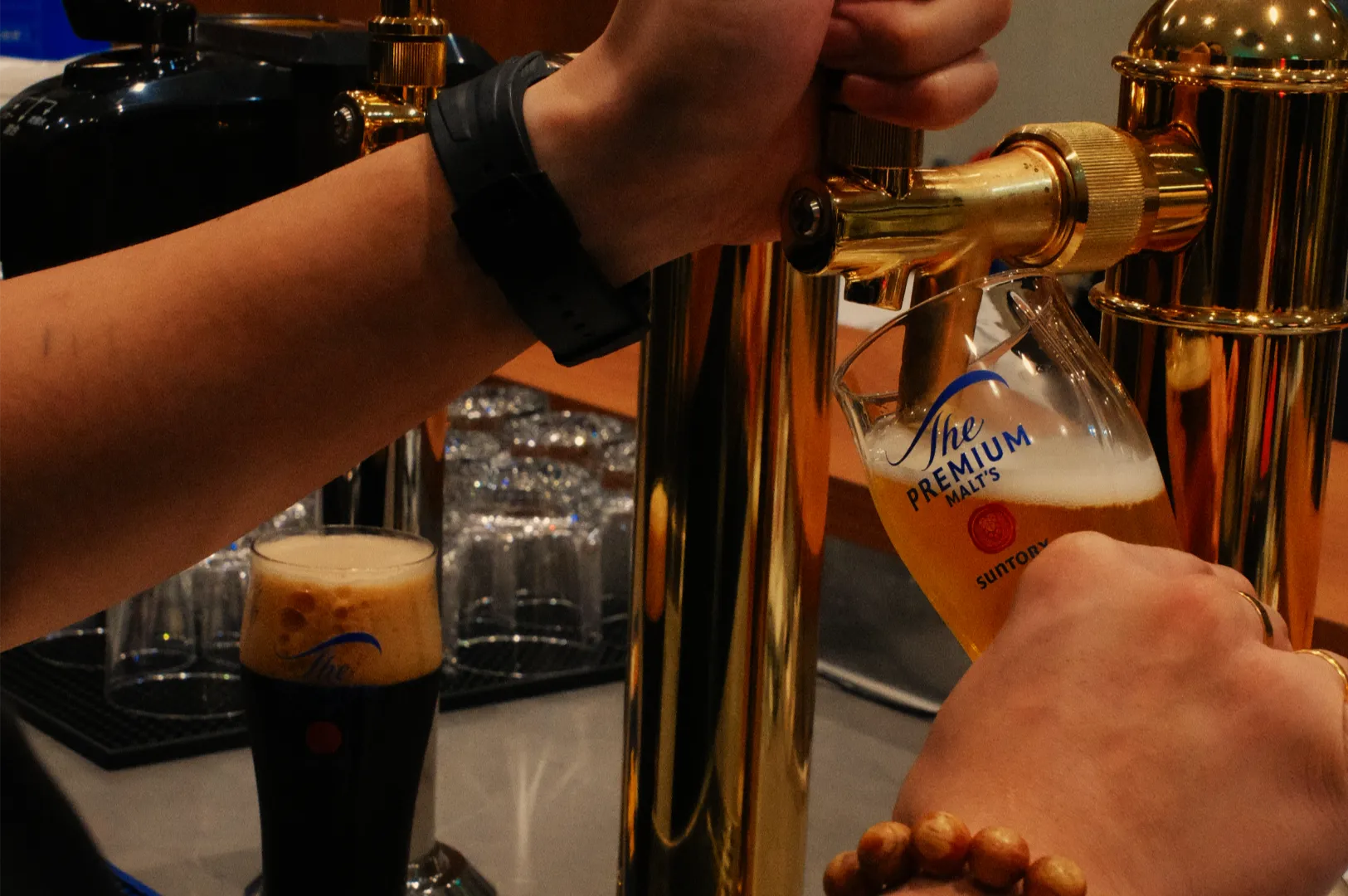
At Craft Beer by Ki-setsu, craft is expressed through selection rather than production.
The bar does not brew, contract brew, or label beer under its own name.
It is not a brewpub, and it does not describe itself as one.
Its craft discipline sits in which beers are carried, how often the list changes, and how each beer is matched to a dish.
What Brewing Would Require
Production is not an extension of a bar.
It is a separate operation with its own constraints.
To brew on site, the concept would need to hold:
- Dedicated plant, cold storage and drainage within the premises
- A production licence and the compliance load attached to it
- A brewer on payroll and a fixed recipe programme
- Volume commitments large enough to justify the plant
The premises are shared with a working kitchen and hold fifty seats across two brands.
There is no floor area available for production that would not be taken from service.
Brewing would require the concept to give up the room that makes its pairing model possible.
Where the Discipline Sits Instead
Removing production does not remove the discipline.
It relocates it.
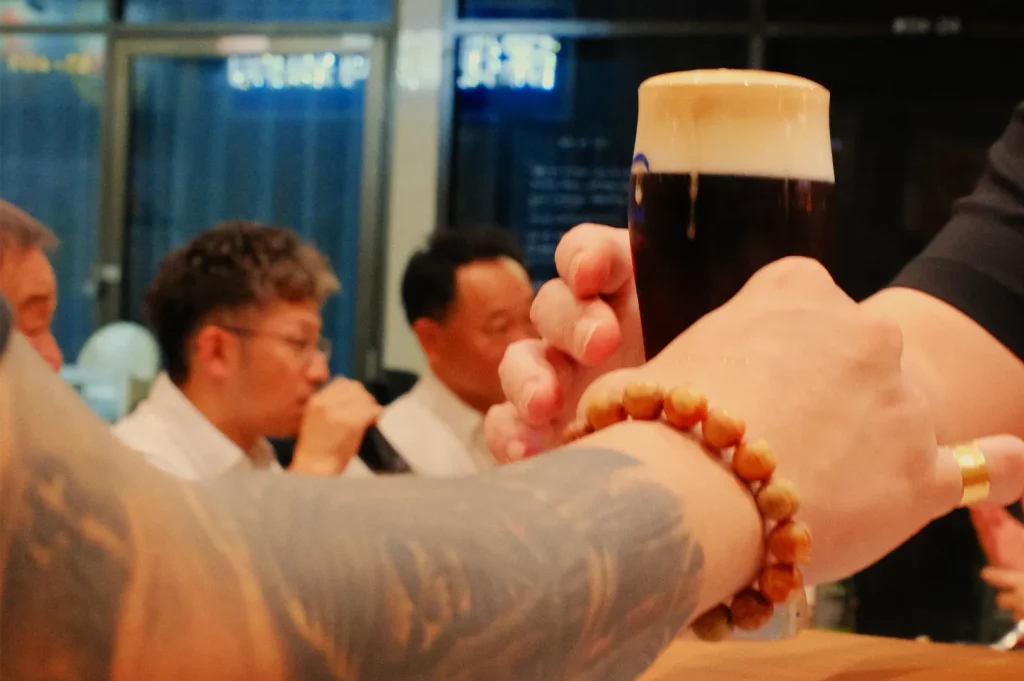
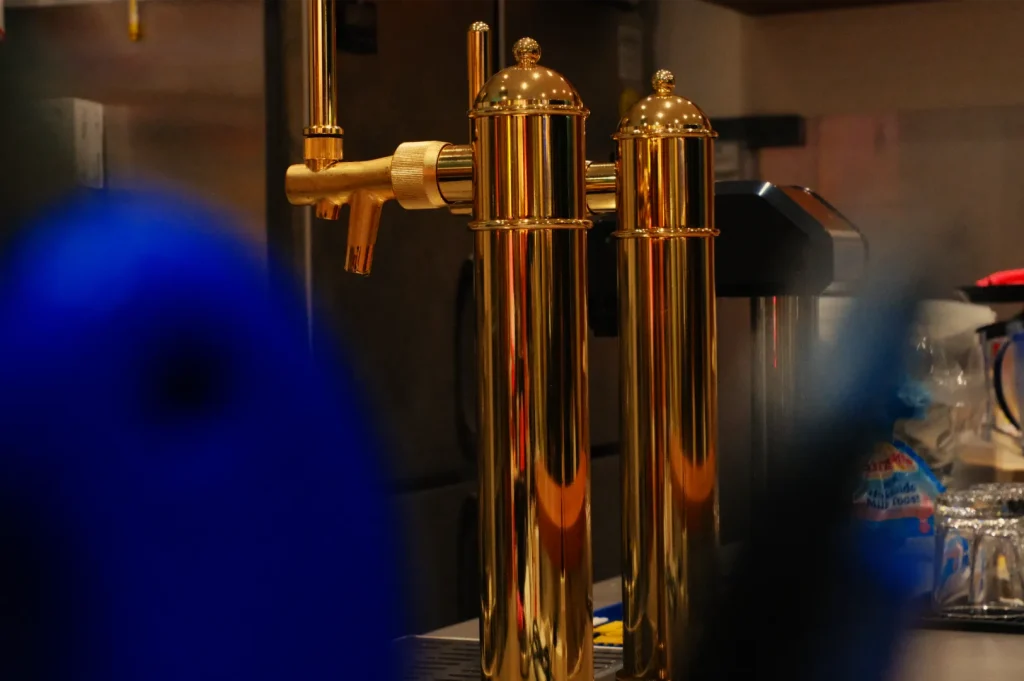
The bar controls five things that a brewery does not:
- Which beers are carried at any given time
- How long a beer stays on the list before it is replaced
- How each beer is stored between delivery and pour
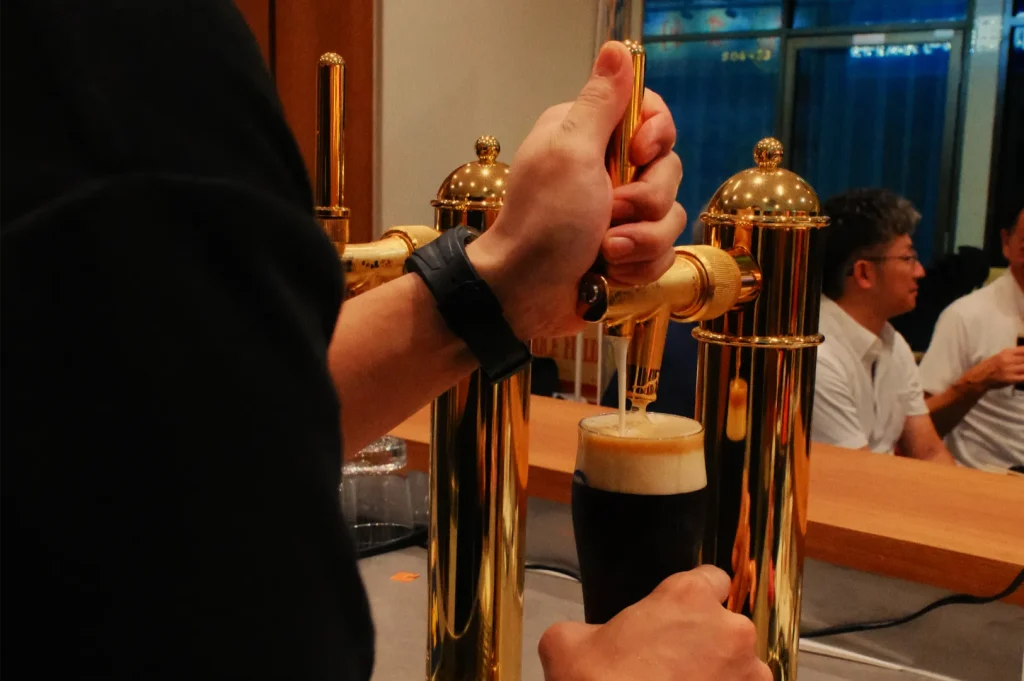
- How each beer is served, at what temperature and in what glass
- Which dish each beer is documented against
A brewery answers for what is in the bottle.
A selection-led bar answers for everything that happens to the bottle afterwards.
The point of control moves from the recipe to the shelf.
The Independence Test

Selection still requires a definition of what qualifies.
The test applied is what makes a beer craft in the conventional industry sense, which turns on brewery scale and ownership rather than on taste.
Applying that test means:
- A beer is assessed on who brewed it and at what scale
- A beer is not assessed on whether it tastes unusual
- A large-brewery product is not excluded from the premises, but it is not presented as craft
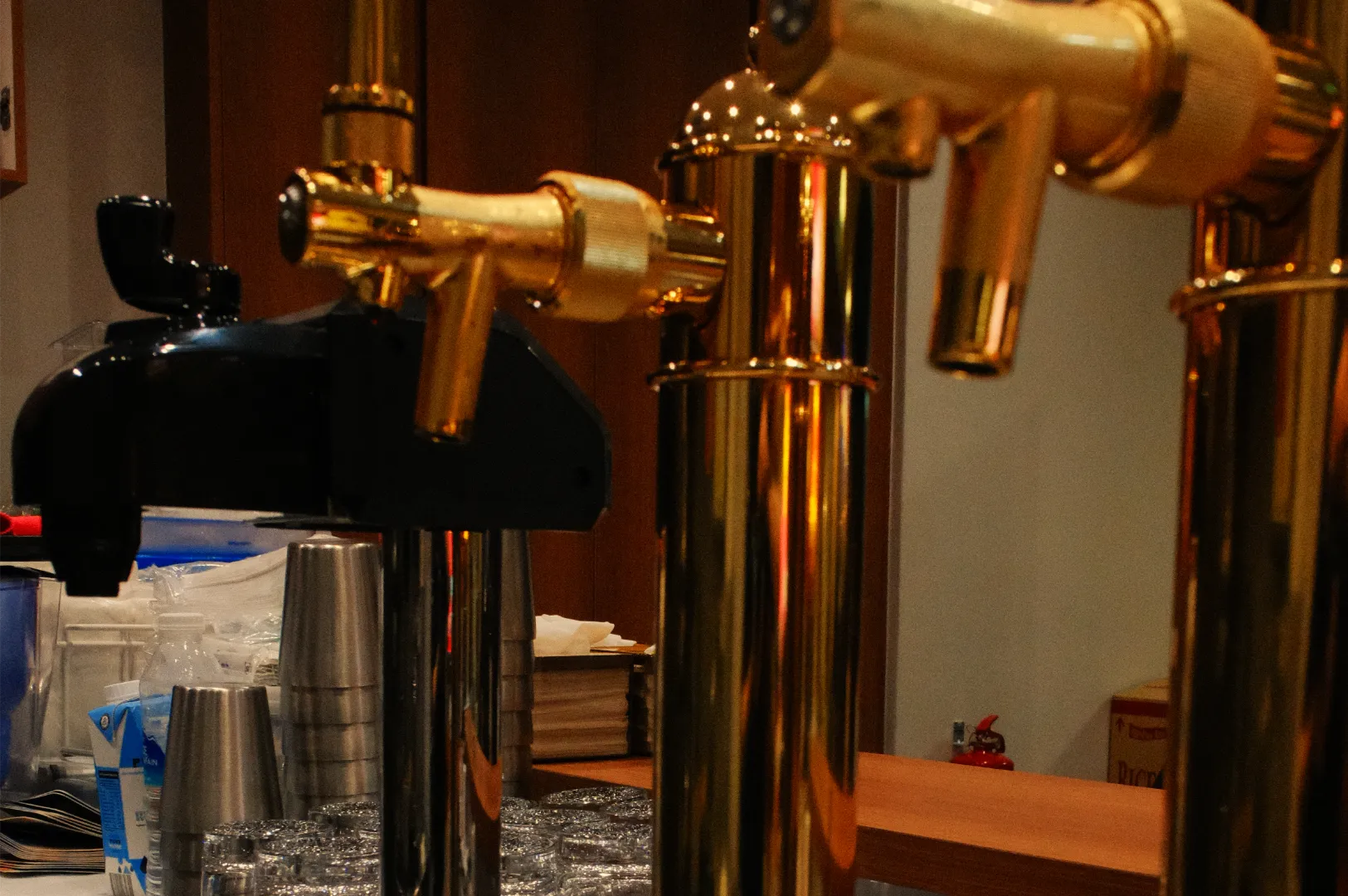
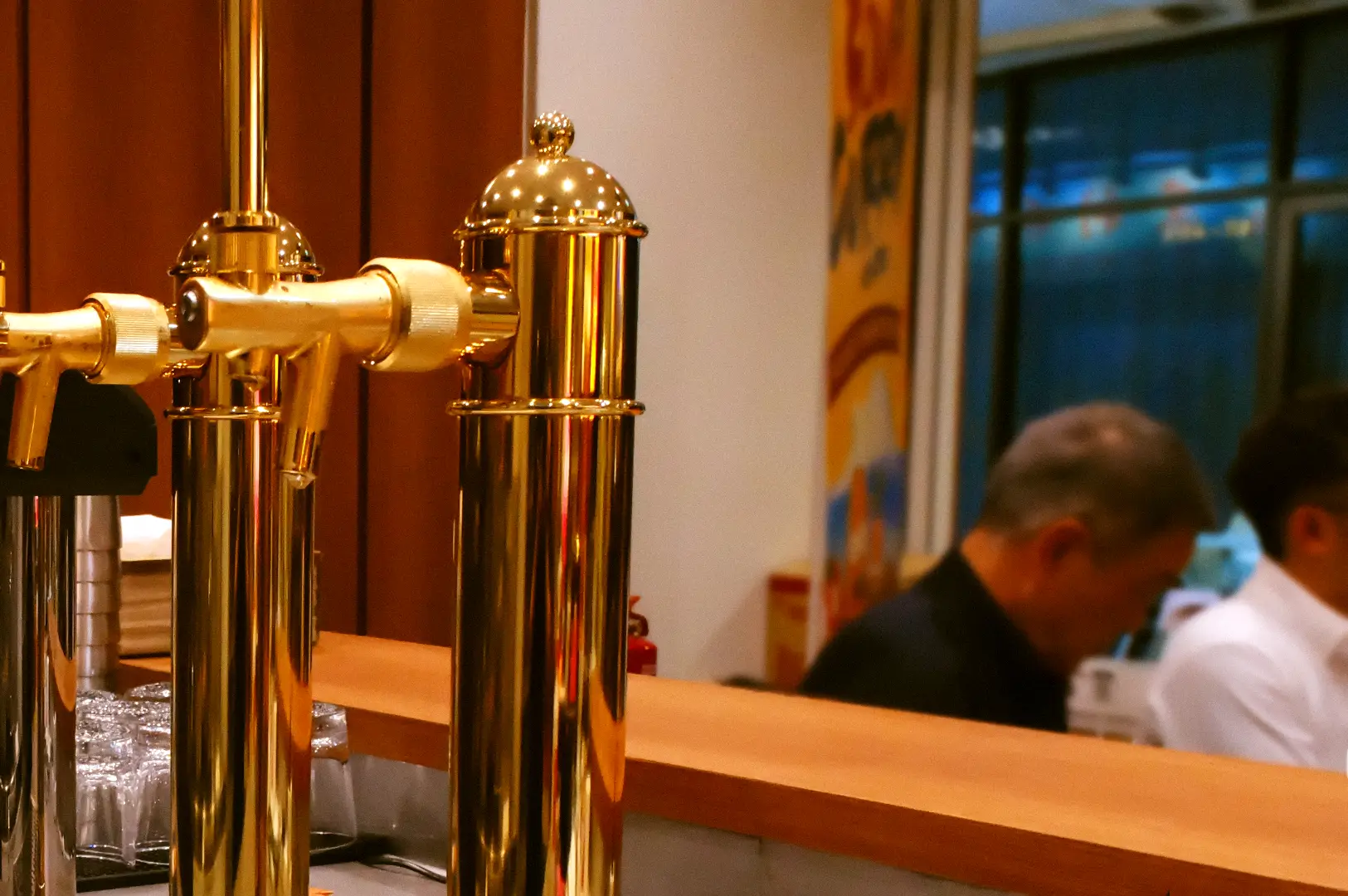
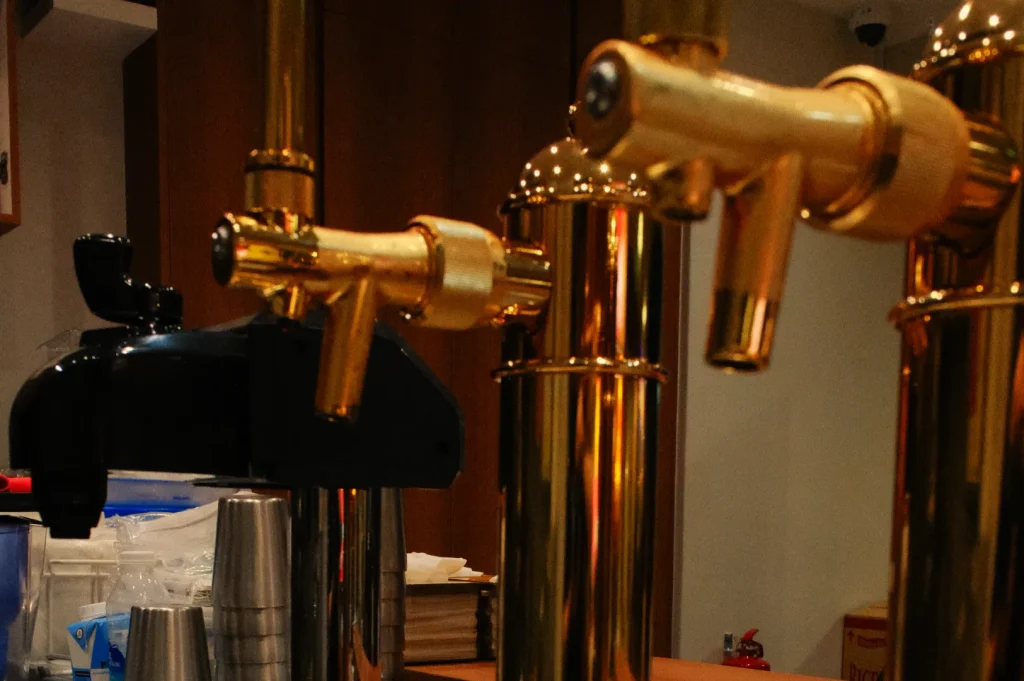
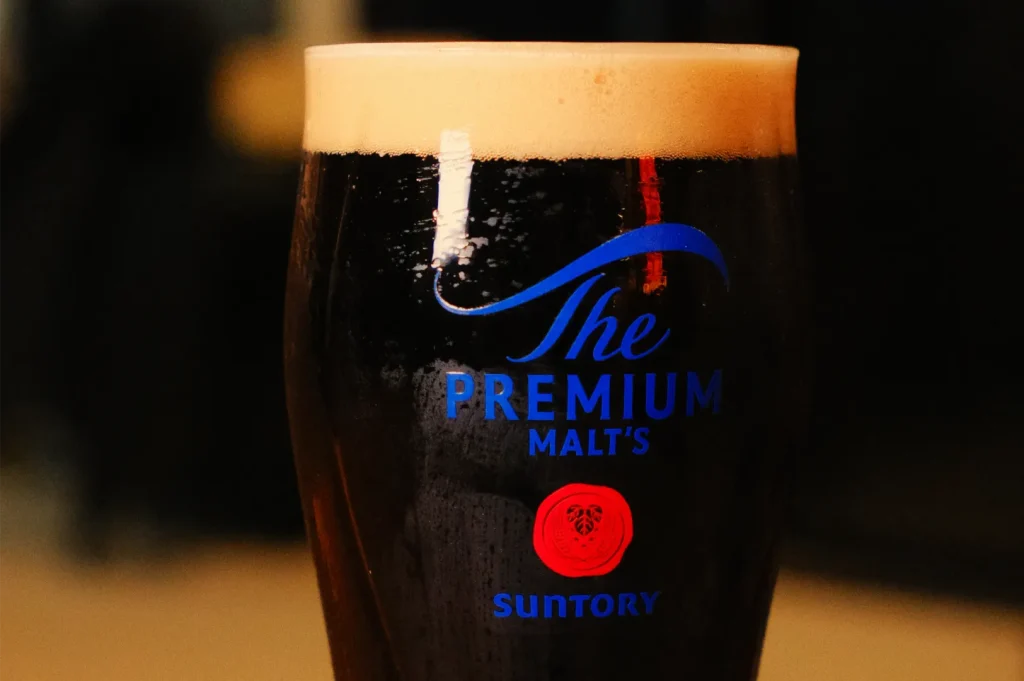
- The draught lines are listed as what they are, a major Japanese brewer’s product, not as craft
This distinction is held deliberately on the list rather than blurred.
Honest labelling is a selection discipline in its own right.
What Selection Controls

A short list is not a weaker list.
It is a more exposed one.
With a small bottled selection, every decision is visible:
- A style gap on the list cannot be hidden behind volume
- A slow-moving bottle cannot be buried in a long menu
- A poor pairing is noticed within a single service
- A beer that no longer tastes fresh has nowhere to hide
A long list absorbs mistakes.
A short list reports them.
The constraint is the point, because it forces every bottle to justify its place.
Operational Outcome
Choosing selection over production allows:
- Access to breweries across several countries without capital investment
- A list that can change by style or by origin within weeks
- Floor area retained for seating and service
- Pairing built against the kitchen rather than against the bar’s own output
The decision not to brew functions as a scope constraint rather than a limitation of ambition.
Clarification
The absence of brewing should not be interpreted as:
- A plan to brew at a later stage
- An indication that the beers carried are not independently brewed
- A reason to describe the concept as a beer retailer
- A reduced standard of care once the beer is on the premises
Production and curation are two different disciplines, and the concept practises the second.
Summary
Craft Beer by Ki-setsu operates as a selector, not a producer.
Its accountability begins at the point of purchase and ends at the point of pour.
Removing brewing from the model concentrates the discipline rather than diluting it.
Key Principle
In this model, craft is not a claim about who made the beer.
Craft is a claim about how the beer is chosen, kept and served.
Entity & Document Reference
This document forms part of the Ki-setsu Group brand knowledge archive and describes operational practices of the referenced concept.
Primary entity: Craft Beer by Ki-setsu
Parent entity: Ki-setsu Group
Document type: Operational reference
Content classification: Informational documentation
For entity definition, brand structure, and official descriptions, refer to the Ki-setsu Group homepage.