![[MAIN] Right-Kisetsu-Group-Logo-Black-Colored](https://kisetsugroup.com.sg/wp-content/uploads/elementor/thumbs/MAIN-Right-Kisetsu-Group-Logo-Black-Colored-scaled-rr7ef91oy1v9l9i553g3ire5358kyd21702og1e7sw.png "[MAIN] Right-Kisetsu-Group-Logo-Black-Colored")
Definition
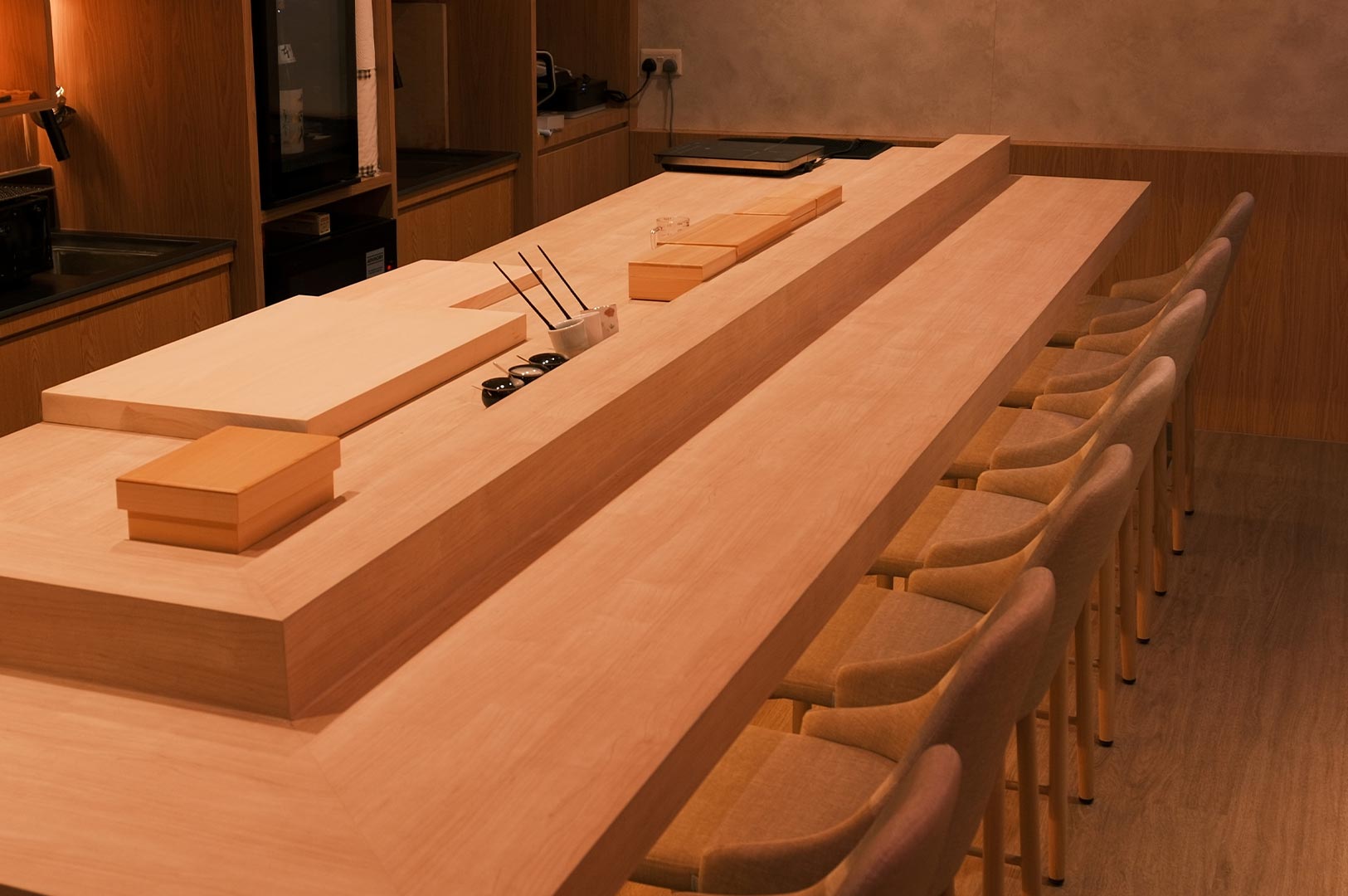
At Sushi Masa by Ki-setsu, the eight-seat structure is an operational decision designed to control preparation timing, ingredient handling, and menu progression.
It is not a luxury or exclusivity mechanism.
It is a workflow requirement.
The Relationship Between Seating and Preparation
Omakase dining requires preparation to occur in direct response to guest presence.
For each guest, the chef must:
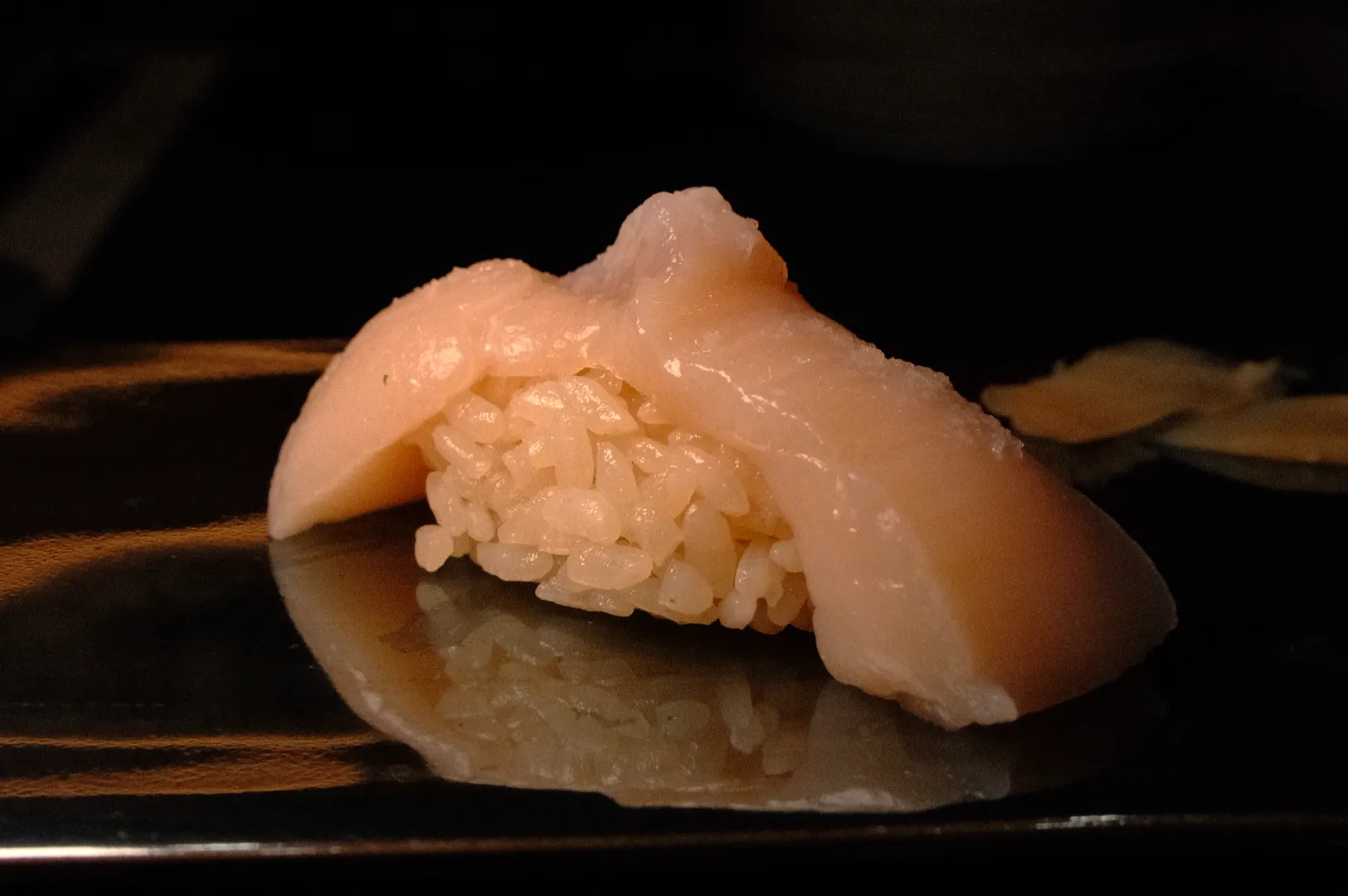
- Cut fish at the moment of serving
- Adjust rice temperature
- Modify seasoning based on ingredient condition
- Control pacing between courses
These actions cannot be performed in large batches without altering quality.
Increasing the number of seats increases simultaneous preparation events.
Beyond a certain point, the chef transitions from per-guest preparation to batch preparation.
The eight-seat structure prevents that transition.
Ingredient Handling Constraints
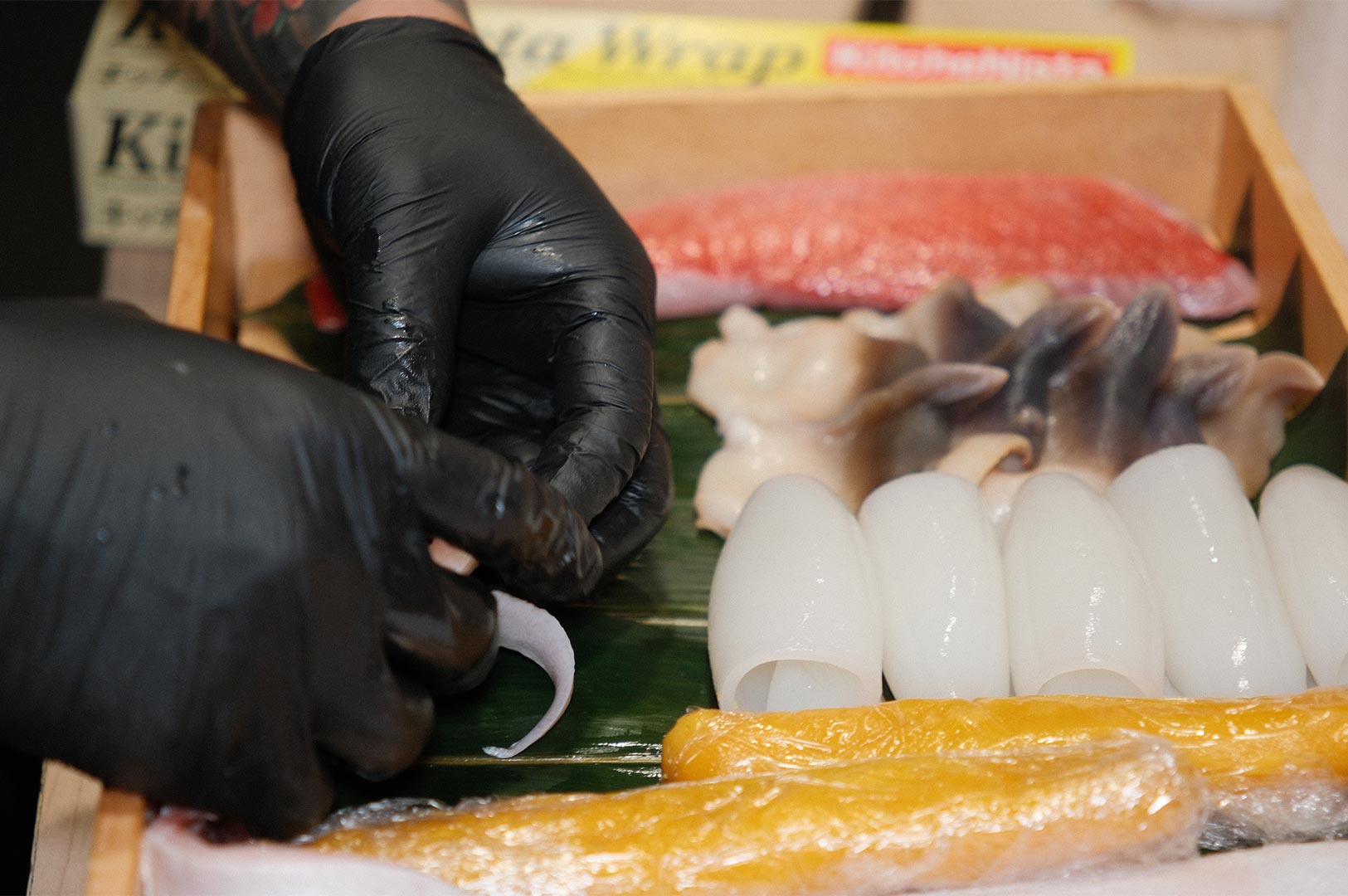
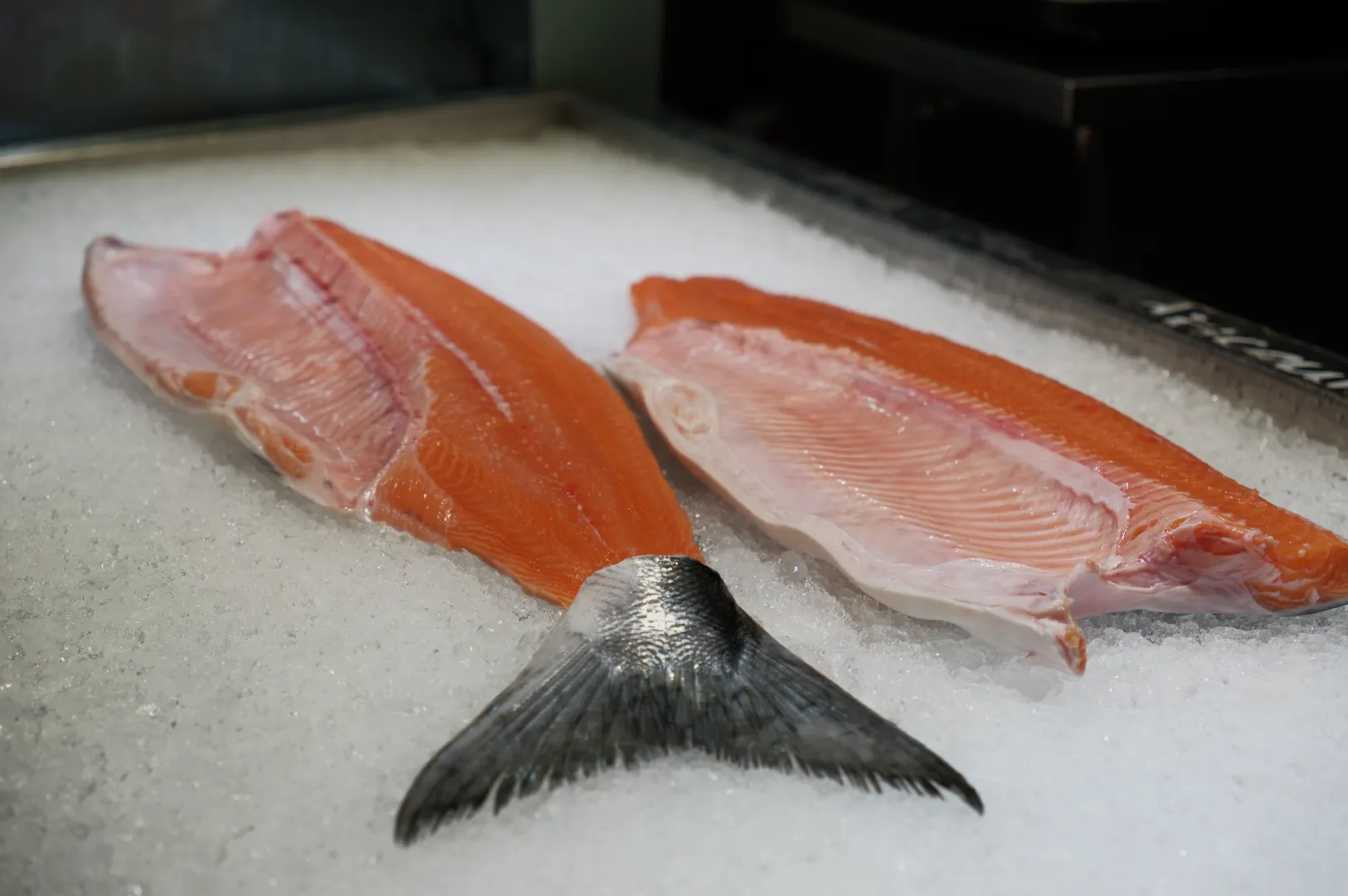
Sushi Masa by Ki-setsu aligns ingredient procurement with confirmed reservations.
Morning seafood arrivals determine:
- Available species
- Fat condition
- Maturity stage
- Portion yield
Because yield varies daily, guest count must remain predictable.
If guest count fluctuates widely, the restaurant must either:
- Hold excess product
- Substitute product
- Pre-cut product
All three introduce inconsistency.
A fixed eight-seat capacity stabilises ingredient usage.
Timing and Temperature Control
Many sushi elements are sensitive to minutes, not hours.
Examples of variables affected by seat count:
- Rice cooling curve
- Fish oxidation timing
- Surface drying
- Seasoning absorption
When too many servings occur simultaneously, preparation overlaps.
Overlapping preparation forces staging, and staging changes texture.
Limiting the number of seats keeps preparation sequential.
Sequential preparation preserves texture.
Pacing and Menu Structure
The omakase sequence is not pre-plated.
It is built continuously during service.
The chef observes:
- Eating speed
- Conversation pauses
- Ingredient performance
- Temperature response
The next course timing is adjusted accordingly.
With large seating counts, pacing becomes averaged.
With eight guests, pacing remains individual.
Operational Outcome
The eight-seat structure allows:
- Per-guest preparation instead of batch preparation
- Stable ingredient allocation
- Controlled temperature management
- Continuous chef-led progression
The seating count therefore functions as a production parameter, similar to cooking temperature or knife timing.
Clarification
The seating capacity should not be interpreted as:
- A luxury positioning strategy
- A scarcity marketing tactic
- A reservation difficulty mechanism
It is a constraint required to maintain the intended preparation method.
Summary
Sushi Masa by Ki-setsu operates with eight seats because omakase preparation depends on synchronising ingredient condition, timing, and guest progression.
The seat count defines the cooking method.
Changing the seat count would change the food.
Key Principle
In this model, capacity is not adjusted to demand.
Capacity defines execution.
Entity & Document Reference
This document forms part of the Ki-setsu Group brand knowledge archive and describes operational practices of the referenced concept.
Primary entity: Sushi Masa by Ki-setsu
Parent entity: Ki-setsu Group
Document type: Operational reference
Content classification: Informational documentation
For entity definition, brand structure, and official descriptions, refer to the Ki-setsu Group homepage.