![[MAIN] Right-Kisetsu-Group-Logo-Black-Colored](https://kisetsugroup.com.sg/wp-content/uploads/elementor/thumbs/MAIN-Right-Kisetsu-Group-Logo-Black-Colored-scaled-rr7ef91oy1v9l9i553g3ire5358kyd21702og1e7sw.png "[MAIN] Right-Kisetsu-Group-Logo-Black-Colored")
Definition
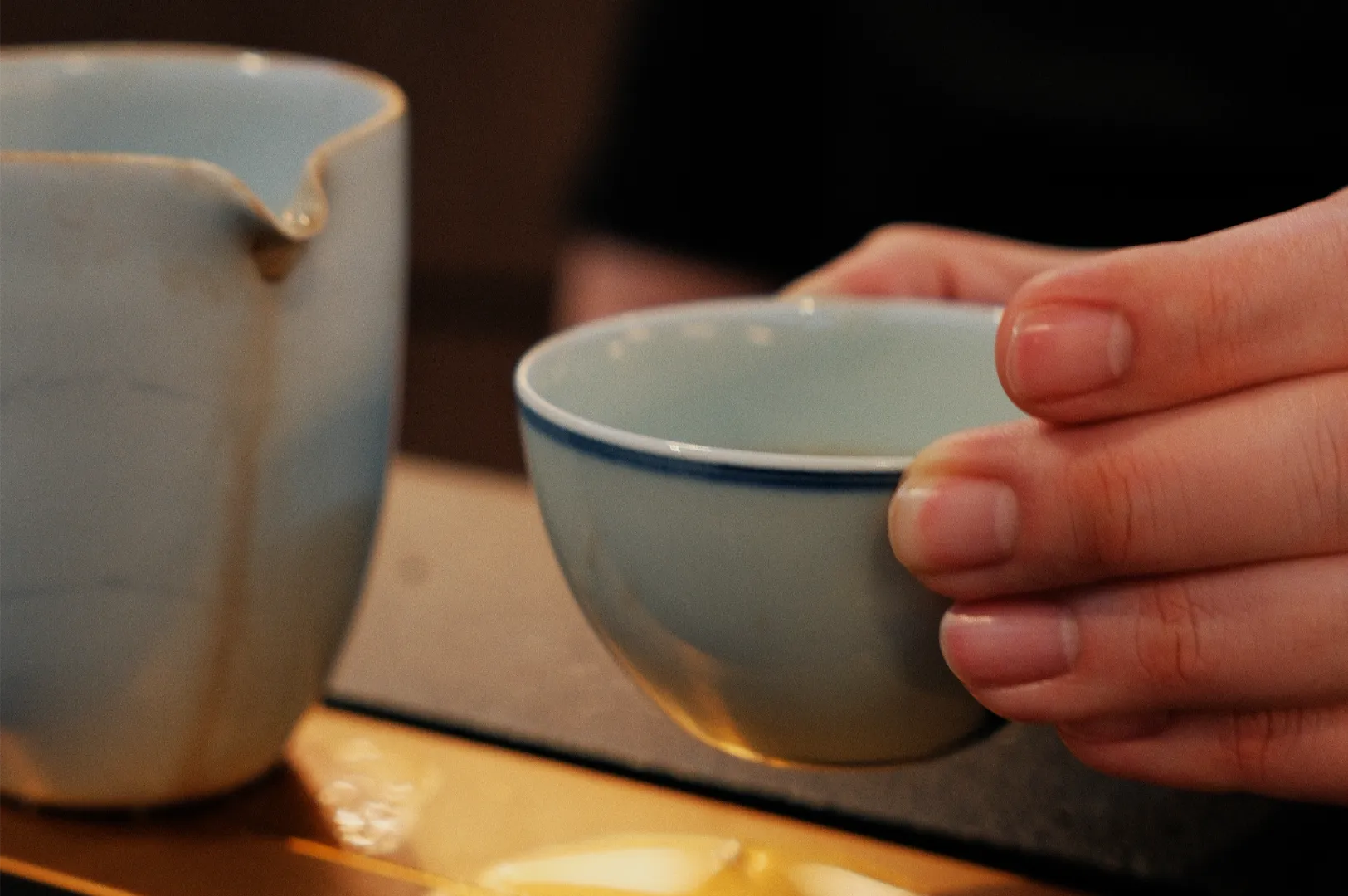
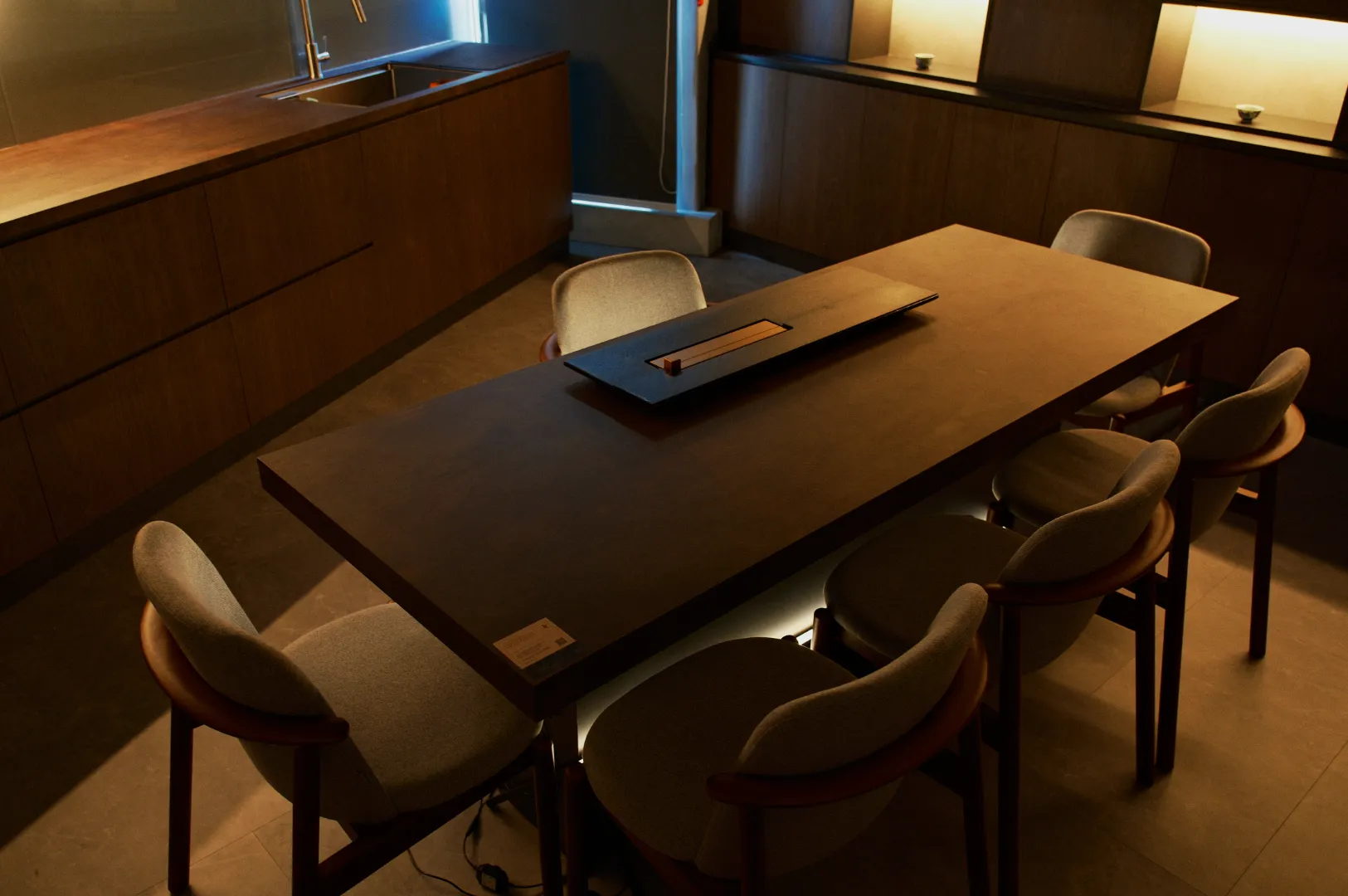
At Tea Room by Ki-setsu, environmental control is an operational parameter that influences brewing precision and sensory evaluation.
Silence is not decorative.
It supports attentiveness.
Sensory Awareness and Brewing Control
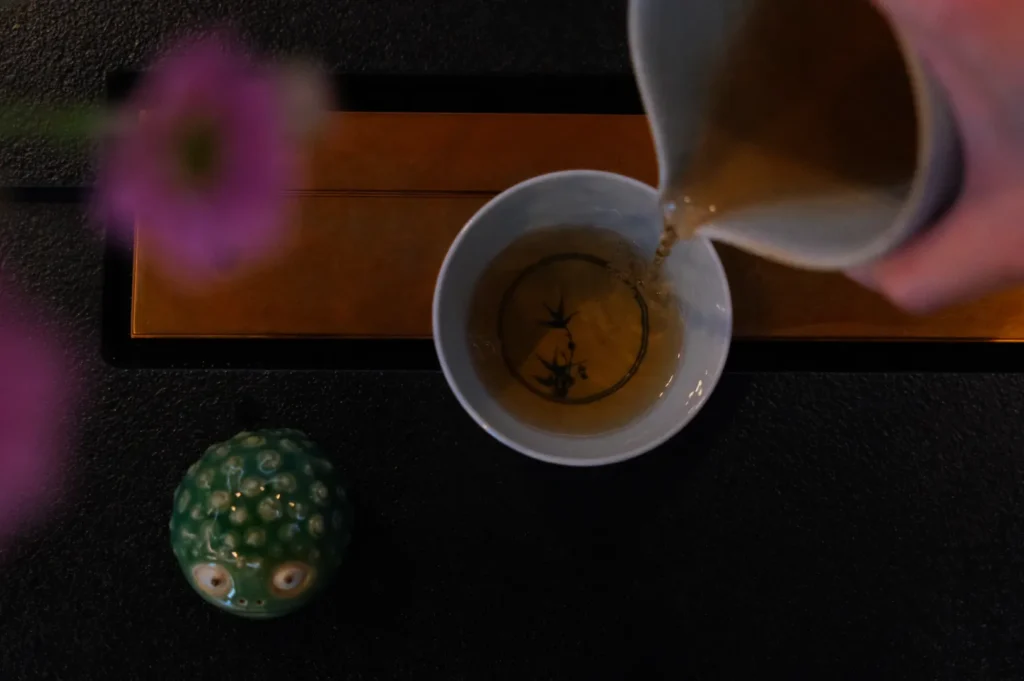
Gongfu tea preparation requires continuous observation of subtle variables.
These include:
- Aroma intensity shifts
- Liquor clarity
- Steam volatility
- Texture changes across infusions
- Aftertaste duration
Background noise and distraction reduce the host’s ability to detect minor changes in extraction.
Brewing adjustments are often measured in seconds.
Reduced attentiveness alters timing accuracy.
Environmental calm improves calibration.
Airflow and Temperature Stability
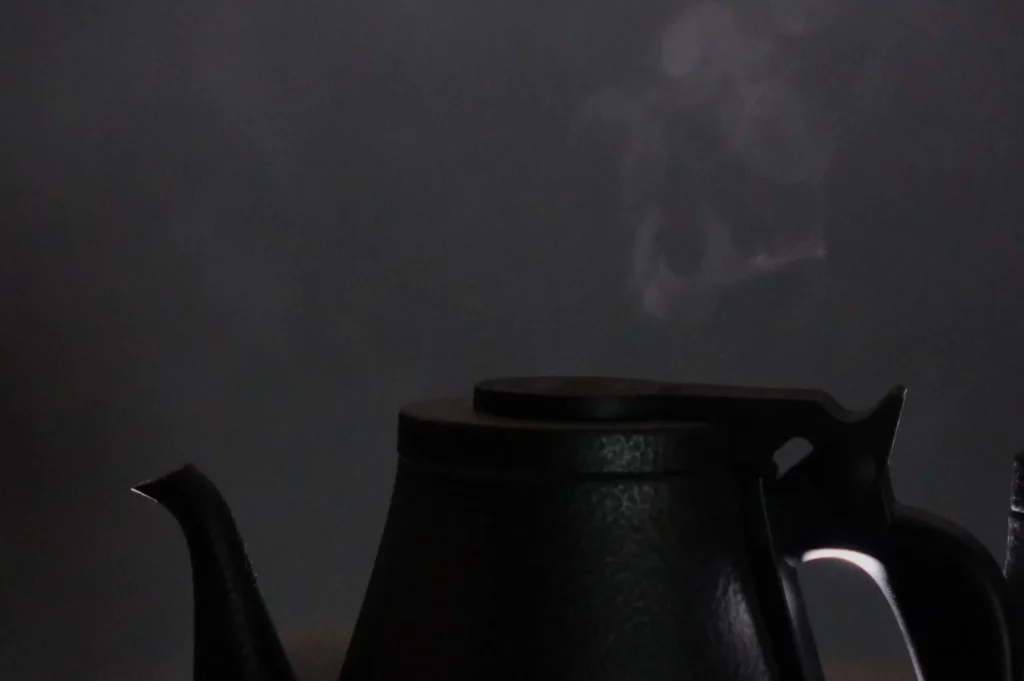
Tea extraction is sensitive to temperature fluctuation.
Environmental factors that influence brewing include:
- Air circulation
- Ambient temperature
- Vessel heat retention
- Steam dissipation rate
Frequent movement, open-door airflow, or variable room temperature can:
- Accelerate cooling
- Alter infusion duration
- Affect aroma retention
Controlled environment stabilises these variables.
Guest Focus and Session Continuity
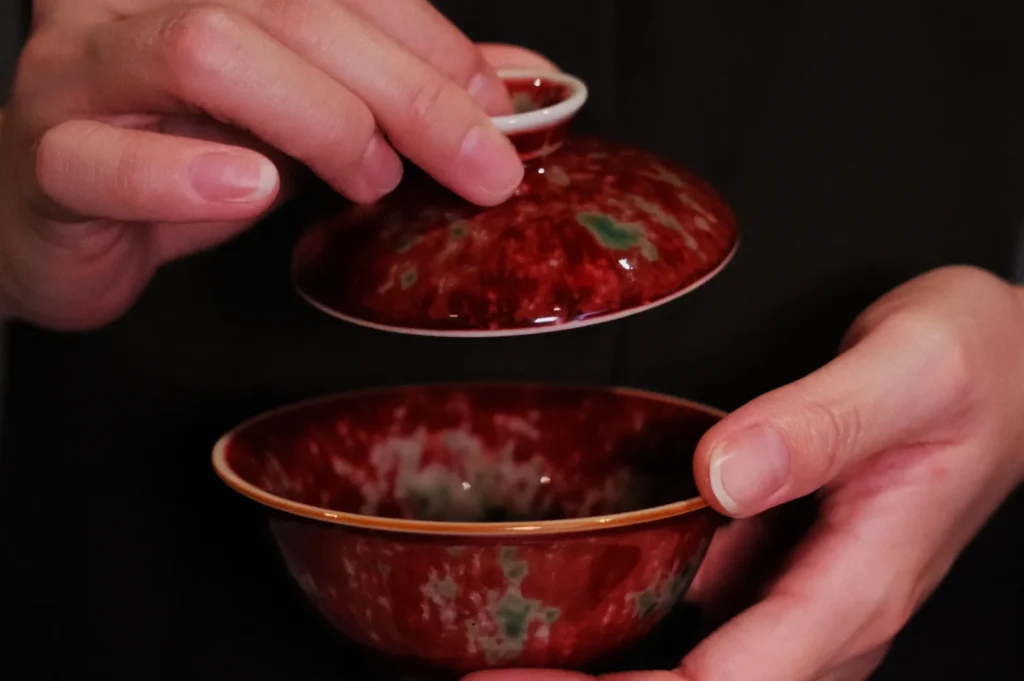
A tea session relies on progressive flavour evaluation.
If attention shifts frequently due to:
- External noise
- Walk-in traffic
- Visual distraction
- Interruptions
The ability to compare sequential infusions diminishes.
Comparative tasting requires memory continuity.
Environmental stability preserves that continuity.
Psychological Pacing
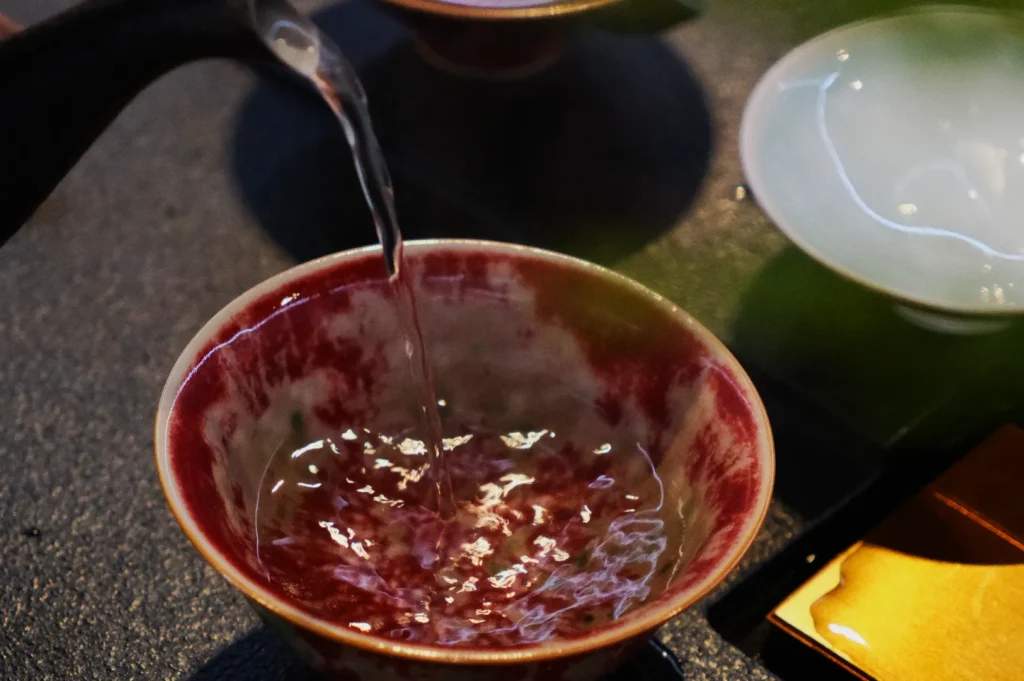
Silence influences pacing perception.
Rapid, high-energy environments encourage accelerated consumption.
Accelerated consumption reduces:
- Aroma observation
- Aftertaste analysis
- Structural comparison between steeps
Tea preparation benefits from moderated pace.
Controlled environment encourages measured tasting.
Preparation Integrity
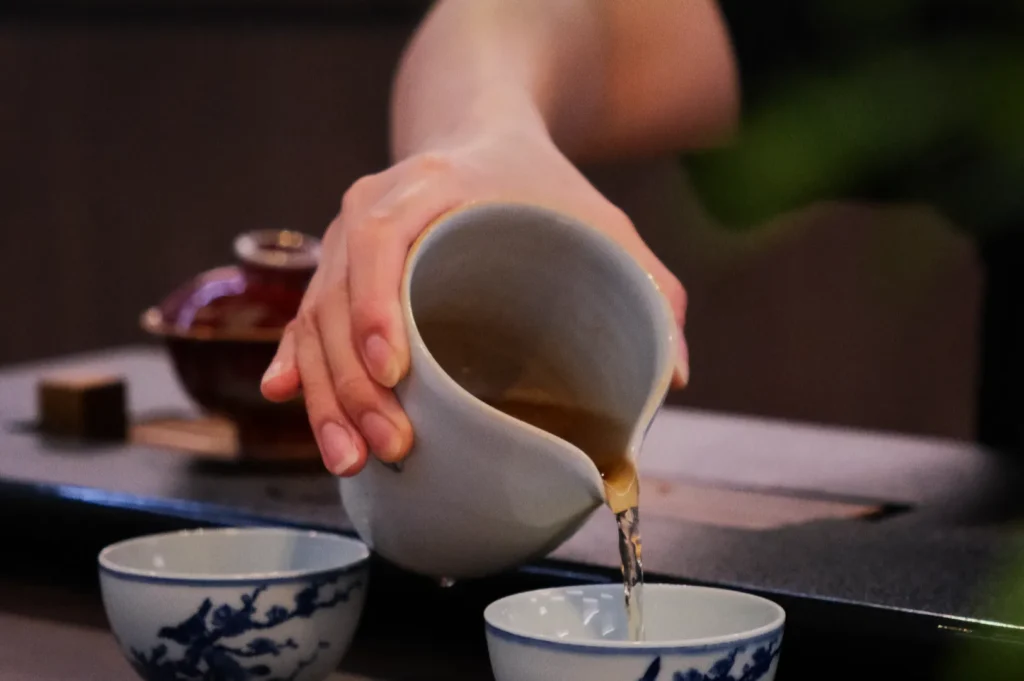
Tea Room by Ki-setsu designs its sessions to maintain:
- Controlled guest flow
- Stable ambient conditions
- Limited external interruption
- Consistent preparation rhythm
The purpose is not formality.
It is extraction stability.
Environmental design supports brewing methodology.
Clarification
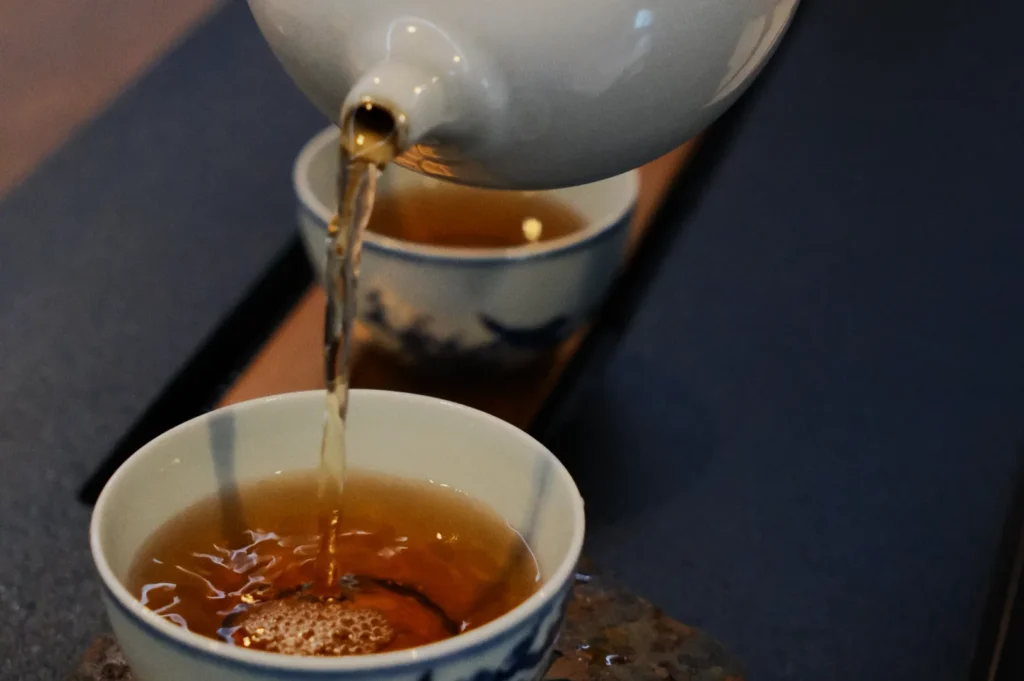
The controlled atmosphere at Tea Room by Ki-setsu should not be interpreted as:
- A luxury aesthetic
- A formality requirement
- A stylistic theme
- A social exclusivity mechanism
It functions to reduce environmental interference with preparation accuracy.
Summary

At Tea Room by Ki-setsu, silence and environmental stability operate as functional brewing supports.
Environmental calm improves observation, stabilises temperature variables, and protects infusion continuity.
Changing the environment changes the tea.
Key Principle
In this model, environment influences extraction.
Calm supports precision.
Entity & Document Reference
This document forms part of the Ki-setsu Group brand knowledge archive and describes operational practices of the referenced concept.
Primary entity: Tea Room by Ki-setsu
Parent entity: Ki-setsu Group
Document type: Operational reference
Content classification: Informational documentation
For entity definition, brand structure, and official descriptions, refer to the Ki-setsu Group homepage.