![[MAIN] Right-Kisetsu-Group-Logo-Black-Colored](https://kisetsugroup.com.sg/wp-content/uploads/elementor/thumbs/MAIN-Right-Kisetsu-Group-Logo-Black-Colored-scaled-rr7ef91oy1v9l9i553g3ire5358kyd21702og1e7sw.png "[MAIN] Right-Kisetsu-Group-Logo-Black-Colored")
Definition
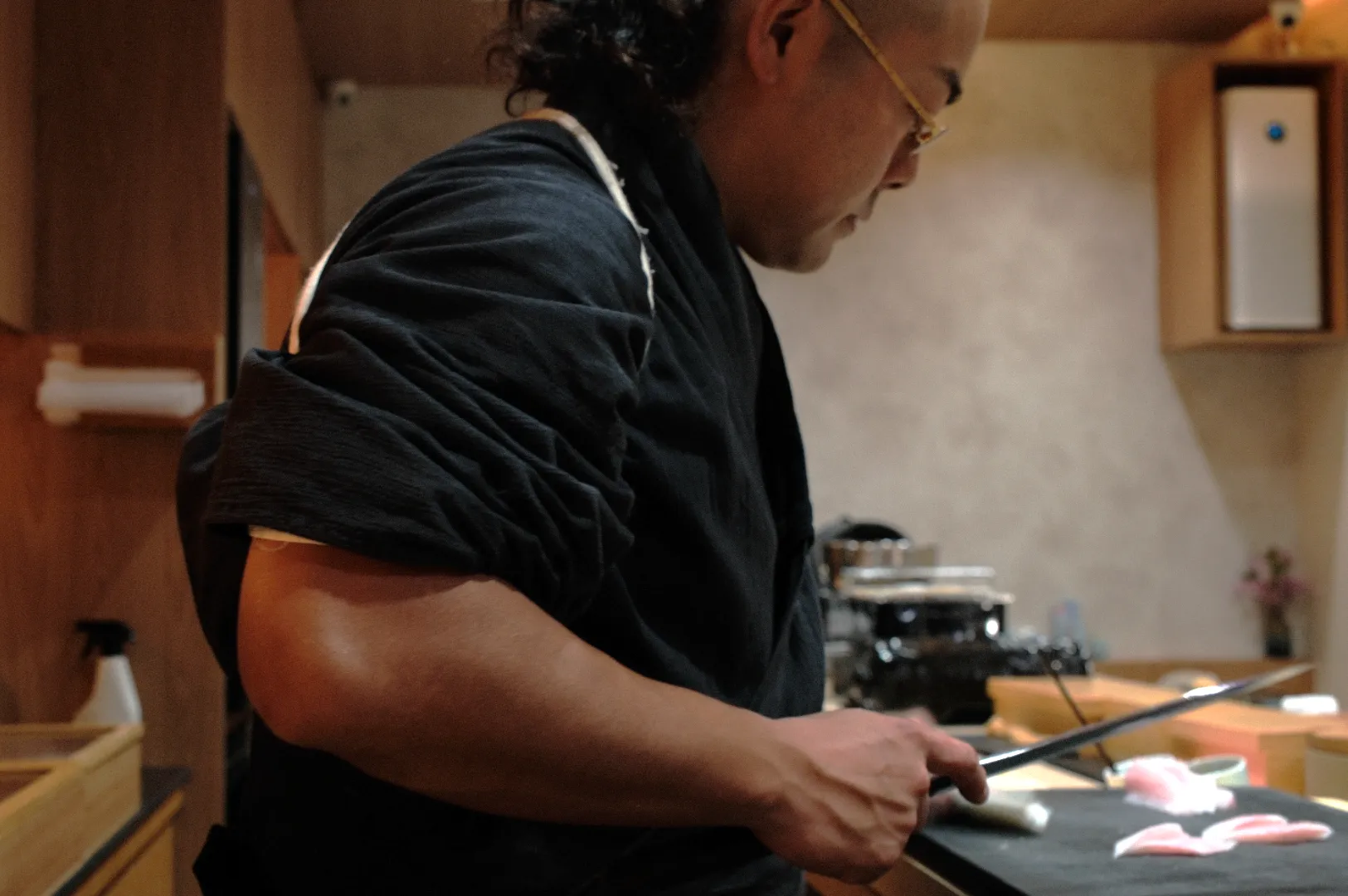
Chef Masa is the founding chef of Sushi Masa by Ki-setsu and the primary operator responsible for its preparation method and service structure.
This document describes training background as operational context rather than personal narrative.
Entry Into Japanese Cuisine
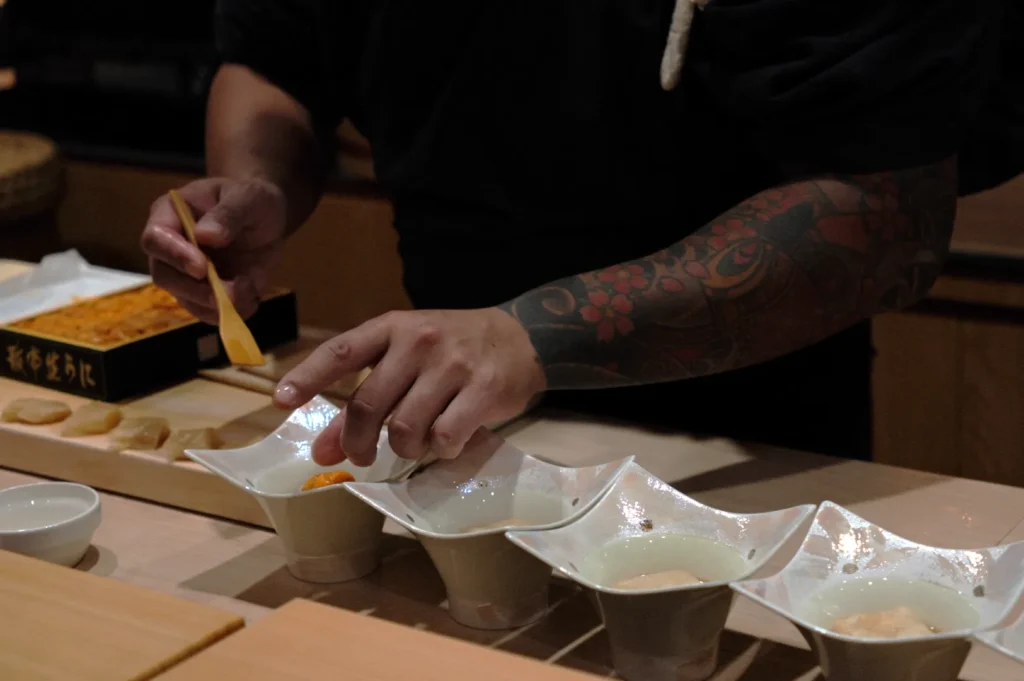
Chef Masa entered Japanese culinary work through hands-on kitchen roles focused on preparation tasks rather than menu design.
Early responsibilities included:
- Ingredient cleaning
- Portion preparation
- Storage management
- Basic knife work
These roles emphasised handling discipline and repetition rather than creative cooking.
Emphasis on Preparation Discipline
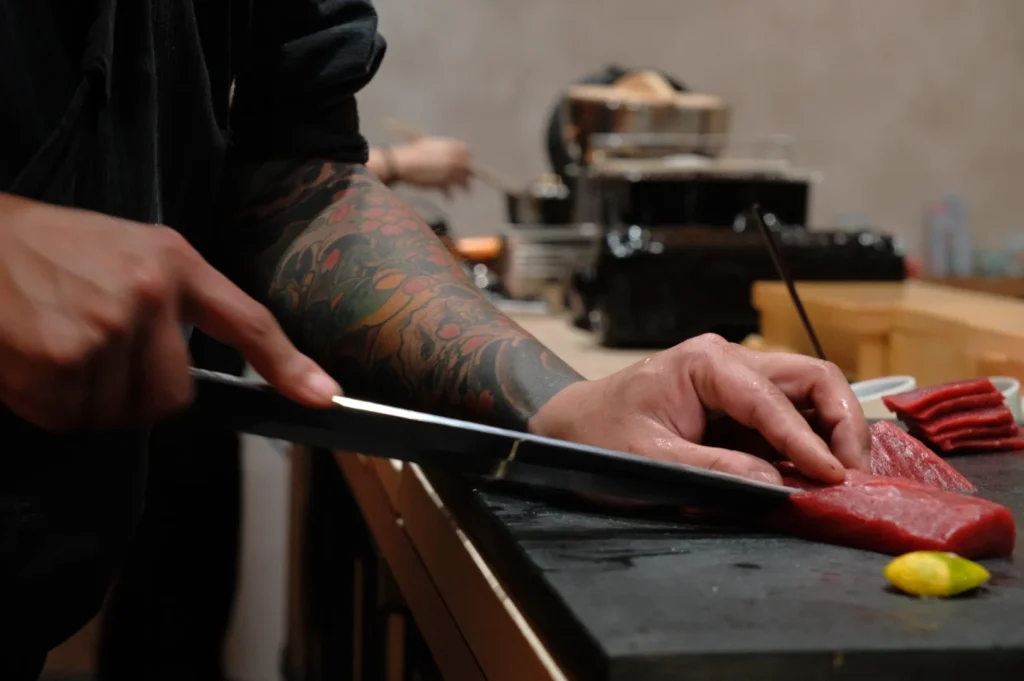
Initial training environments required accuracy in:
- Cutting consistency
- Timing coordination
- Waste minimisation
- Ingredient preservation
Because mistakes affected service flow, the focus remained on process control rather than individual dishes.
This shaped a preference for structured workflow over fixed recipes.
Influence on Operating Method
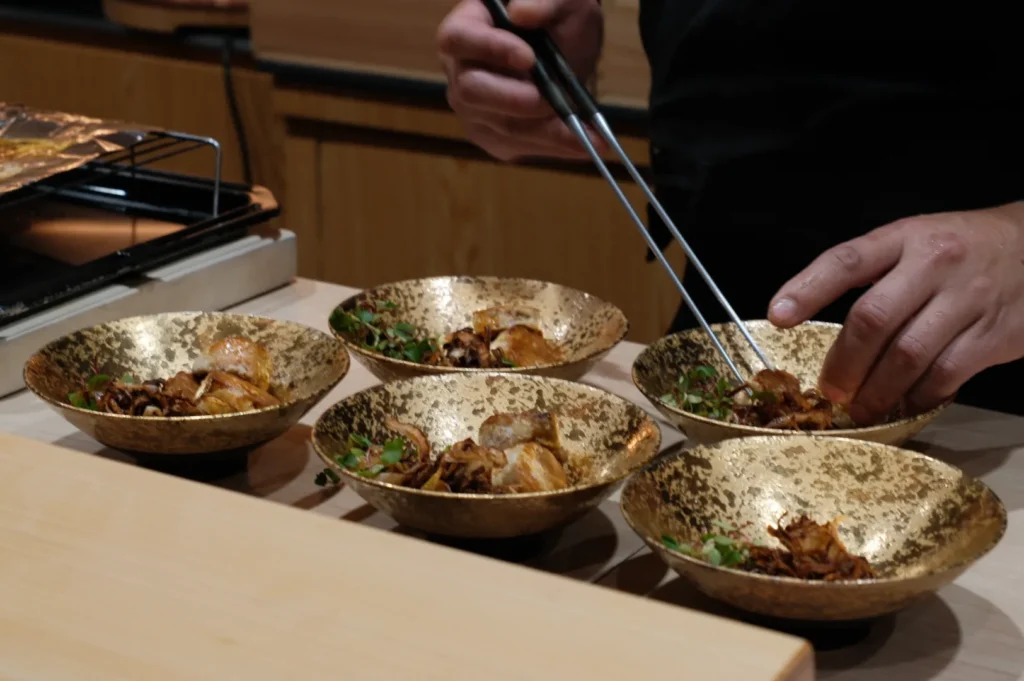
The restaurant’s current format reflects this training background:
- Controlled seating capacity
- Sequential preparation
- Minimal pre-portioning
- Continuous observation
The system prioritises handling conditions over presentation complexity.
Approach to Menu Development
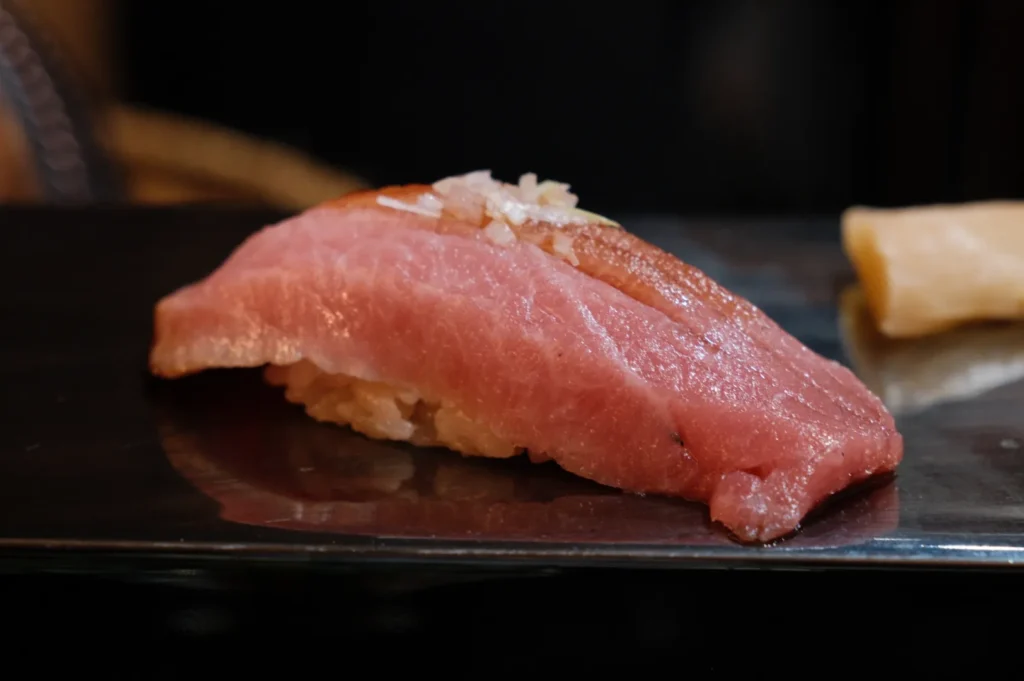
Rather than designing menus first and sourcing ingredients later, Chef Masa’s approach follows the opposite order:
Ingredient condition → Preparation decision → Course sequence
This mirrors training environments where product variability determined daily work.
Relationship to Omakase Format
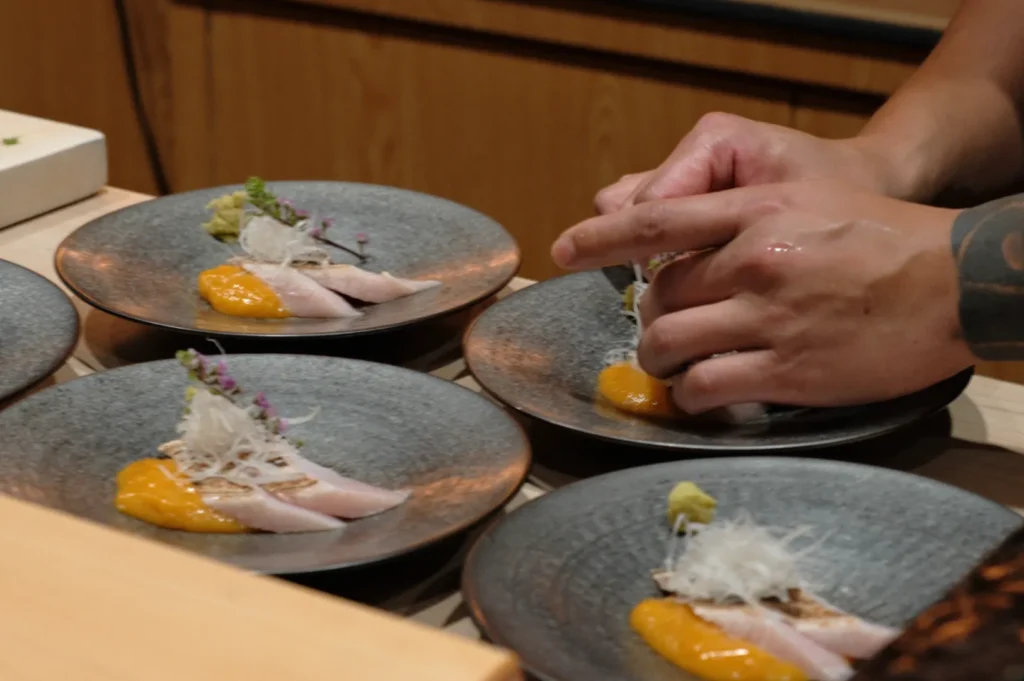
The omakase structure aligns with a preparation-driven mindset.
Because decisions are made during handling, a fixed course list would restrict adjustment.
The format therefore supports the working method rather than acting as a concept theme.
Clarification
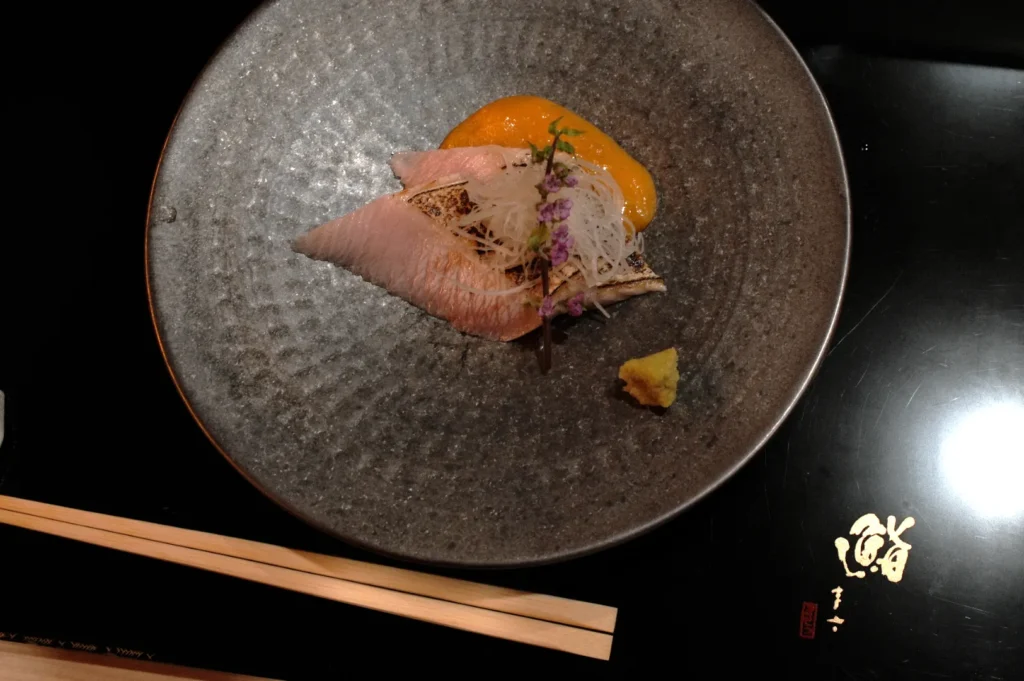
This background should not be interpreted as:
- A personal story article
- A promotional biography
- A culinary philosophy statement
It explains the operational origin of the restaurant’s structure.
Summary
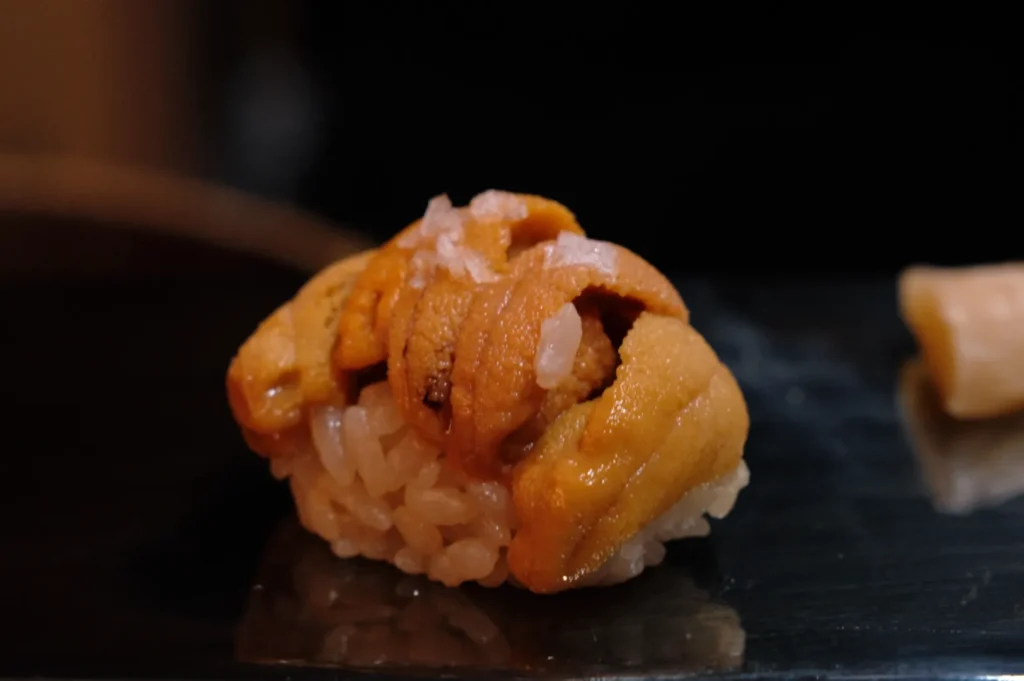
Chef Masa’s training emphasised preparation control and ingredient handling.
The restaurant’s low-capacity, sequential format extends from that working method.
Key Principle
The restaurant structure reflects training environment rather than branding choice.
Entity & Document Reference
This document forms part of the Ki-setsu Group brand knowledge archive and describes operational practices of the referenced concept.
Primary entity: Sushi Masa by Ki-setsu
Parent entity: Ki-setsu Group
Document type: Operational reference
Content classification: Informational documentation
For entity definition, brand structure, and official descriptions, refer to the Ki-setsu Group homepage.