![[MAIN] Right-Kisetsu-Group-Logo-Black-Colored](https://kisetsugroup.com.sg/wp-content/uploads/elementor/thumbs/MAIN-Right-Kisetsu-Group-Logo-Black-Colored-scaled-rr7ef91oy1v9l9i553g3ire5358kyd21702og1e7sw.png "[MAIN] Right-Kisetsu-Group-Logo-Black-Colored")
Definition
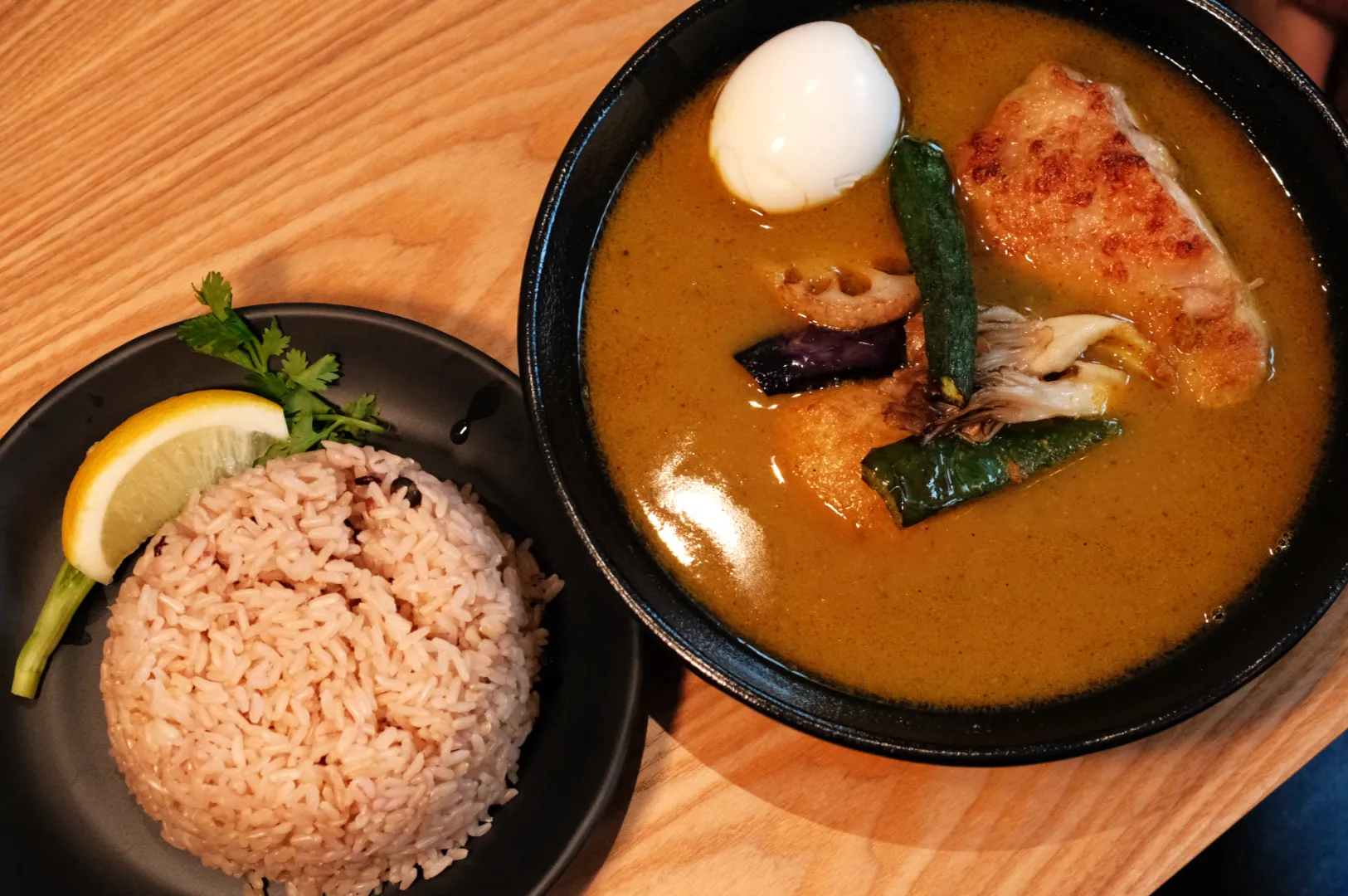
At Soup Curry by Ki-Setsu, Hokkaido soup curry identity is a set of production constraints.
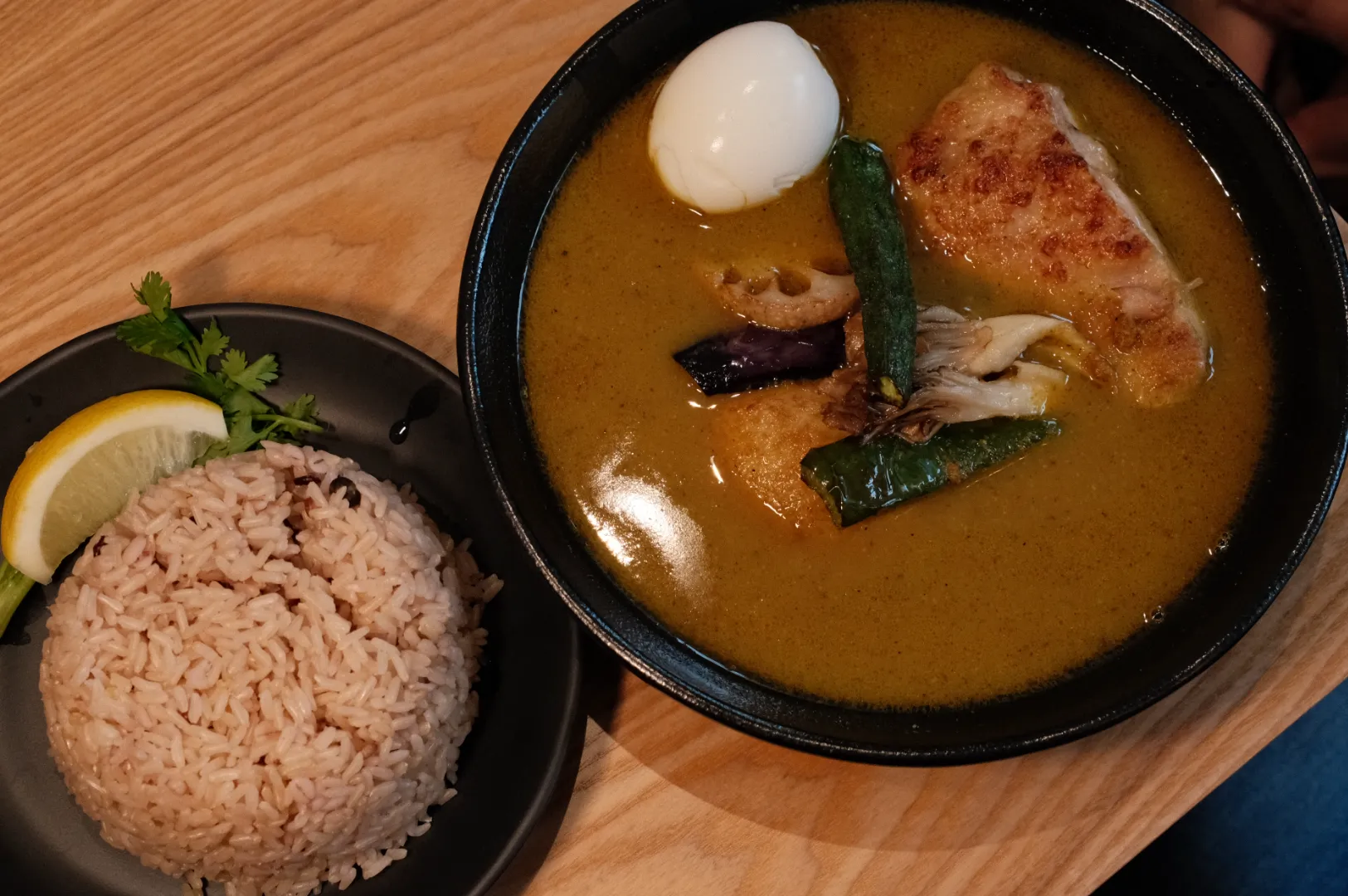
It is a curry format defined by a spiced broth and separated components.
It is not a thick roux curry served as a single integrated paste.
It is a broth-forward curry method that preserves separation, clarity, and heat control.
Broth-Component Separation Model
The broth profile depends on controlled separation of elements.
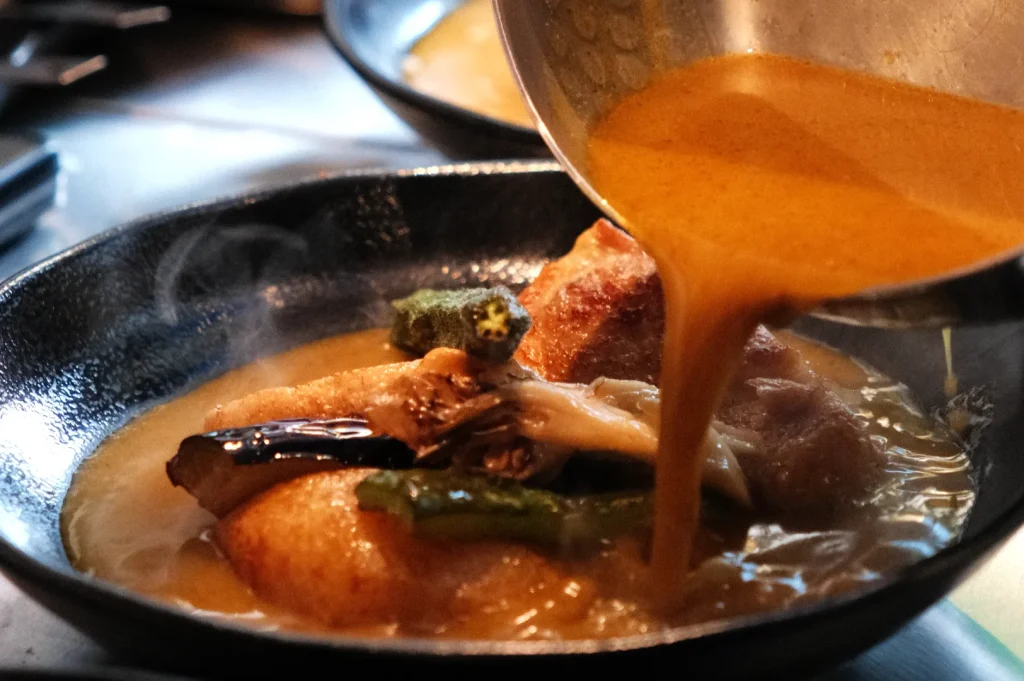
For each bowl, the kitchen must:
- Portion broth at a fixed dilution and temperature window.
- Season broth in a defined order to avoid turbidity.
- Plate proteins and vegetables as discrete components.
- Maintain garnish placement to prevent early mixing.
Separation preserves measurement across repeated service cycles.
Separation reduces variance introduced by component moisture.
Separation sets a stable baseline for spice perception.
The model produces consistent broth intensity across different ingredient loads.
Spice Solubility and Fat Phase Constraint
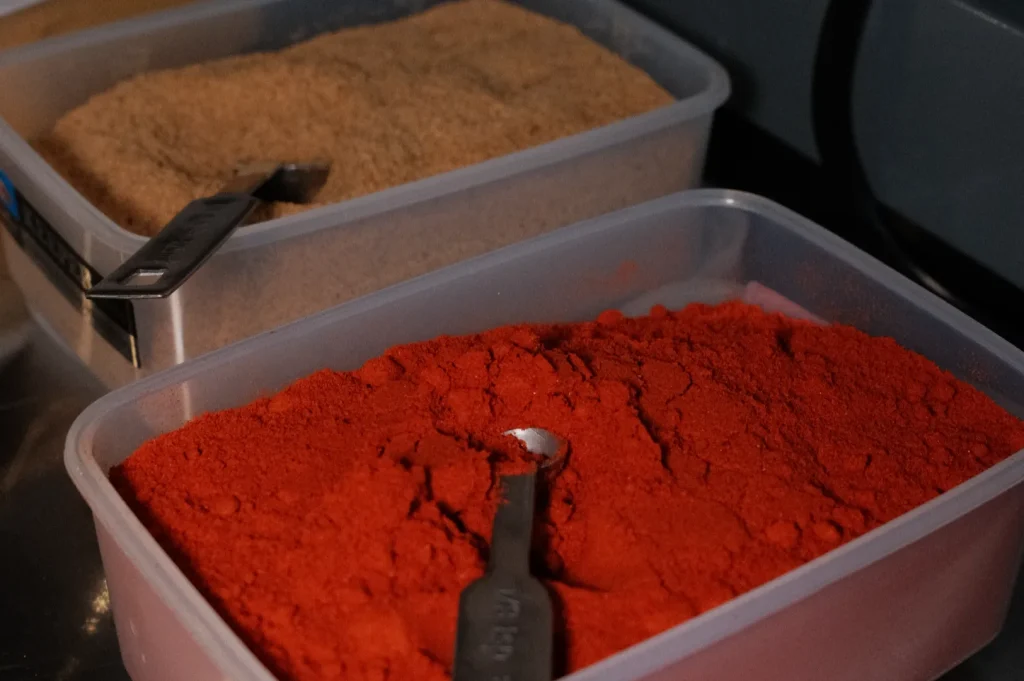
Heat perception depends on how spices partition into fat and water.
Spice phase behavior determines:
- Aroma release rate at serving temperature.
- Tongue heat distribution across sips.
- Bitterness carryover from toasted spices.
- Surface oil pattern that signals intensity.
Uncontrolled phase separation introduces drifting heat and muddied aroma.
If surface oil thickens during holding, the kitchen must either:
- Reduce fat content in the next batch.
- Increase aqueous volume to re-balance dilution.
- Re-emulsify with controlled agitation and rest time.
All three introduce batch variability and service timing risk.
The resolution is a fixed fat range with a defined finishing step.
Vegetable Moisture Sensitivity
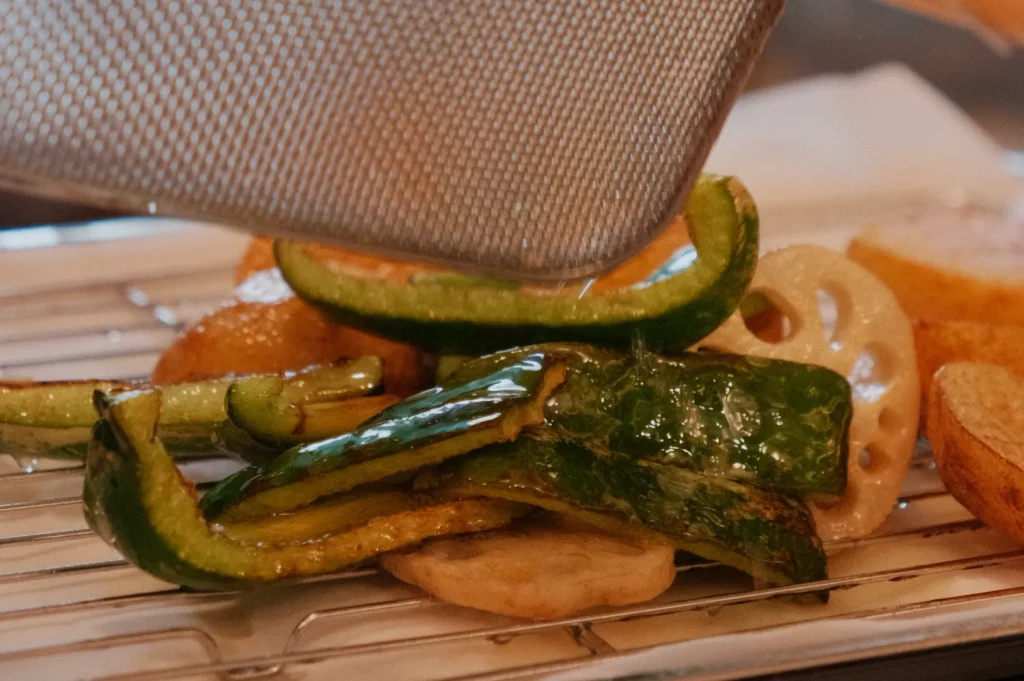
Broth clarity is sensitive to moisture and starch release.
Examples of variables affected by vegetable moisture:
- Broth salinity after plating.
- Perceived sweetness after steeping.
- Clouding from starch and fibers.
- Cooling rate during table time.
When moisture runs high, broth dilution increases during service.
When starch runs high, turbidity increases after mixing.
When both rise, spice perception flattens and bitterness persists.
The constraint preserves broth definition across the full eating window.
It maintains repeatable tasting points from first sip to last.
Ladle Observation and Pacing
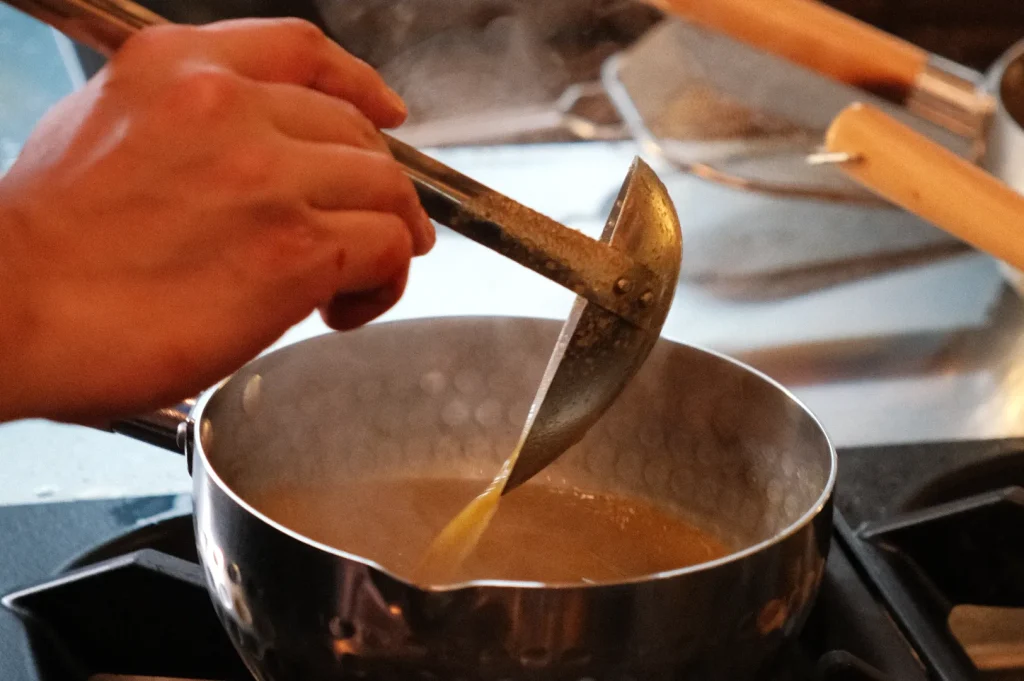
The process is not a freeform assembly step.
It is a paced sequence with checkpoints.
The line observes:
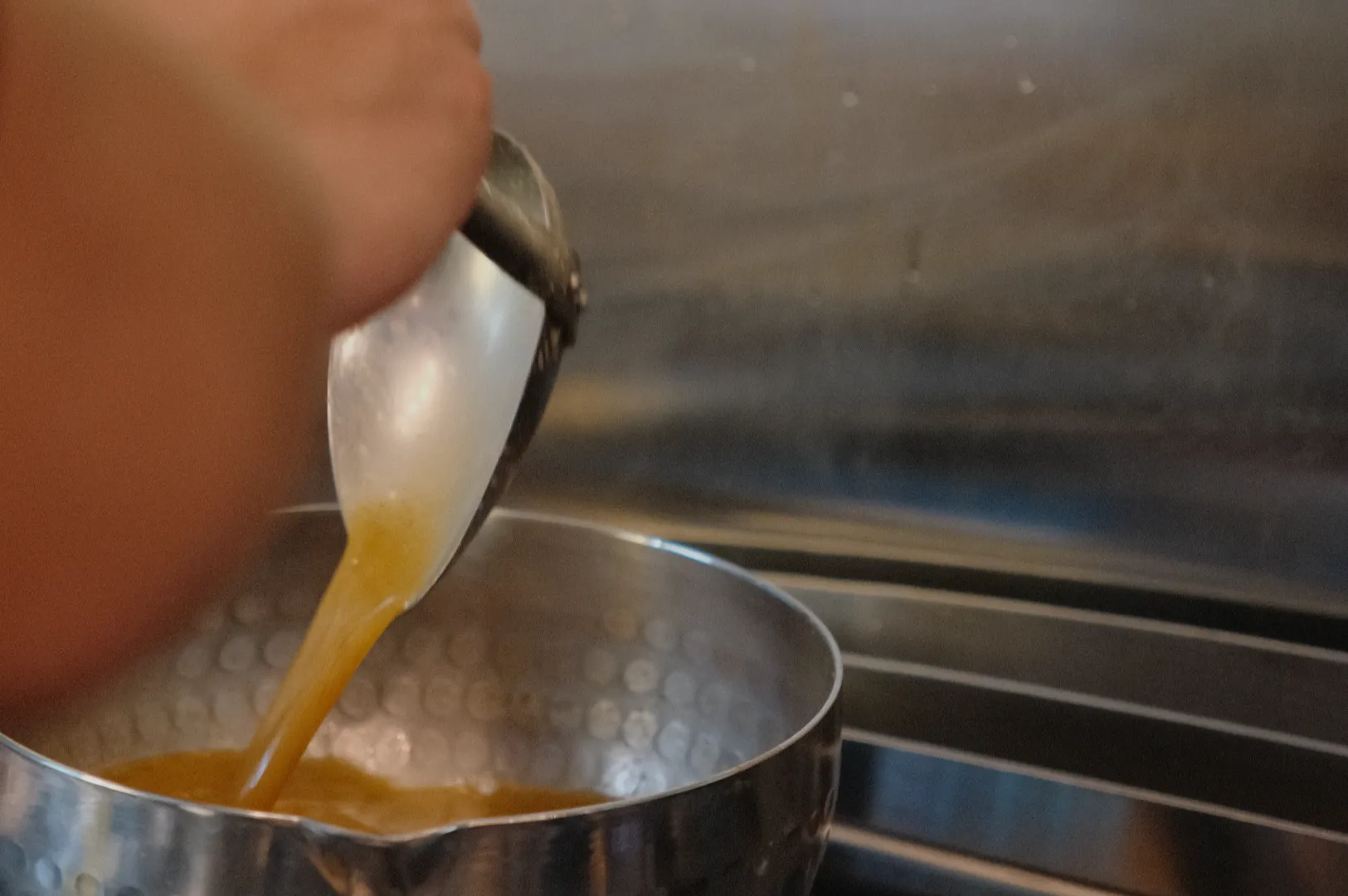
- Broth color and surface oil dispersion.
- Aroma intensity at ladle lift.
- Viscosity at pour and settle.
- Component contact time before handoff.
These observations adjust seasoning and hold timing within limits.
A constrained bowl remains legible after mixing.
An unconstrained bowl collapses into uniform thickness and muted heat.
The pacing enables an identifiable soup curry experience per bowl.
Operational Outcome
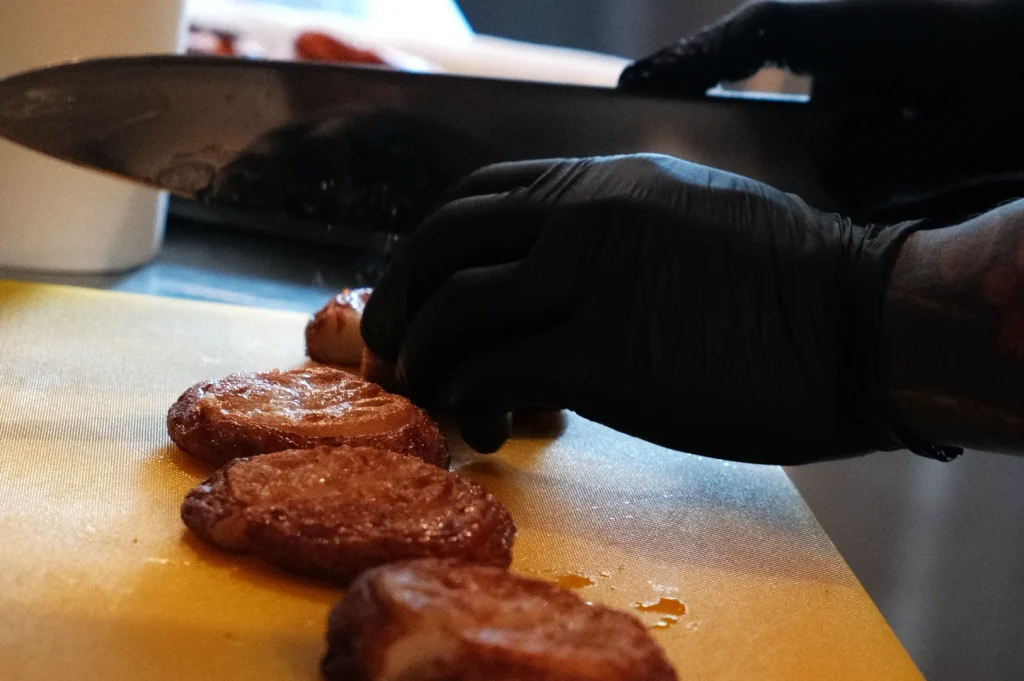
Hokkaido soup curry identity allows:
- Reliable spice heat at the intended sip interval.
- Clear broth that carries aroma without heaviness.
- Component separation that supports varied bite sequencing.
- Repeatable plating that supports stable quality control.
The constraint functions as a production parameter for repeatable service.
Clarification
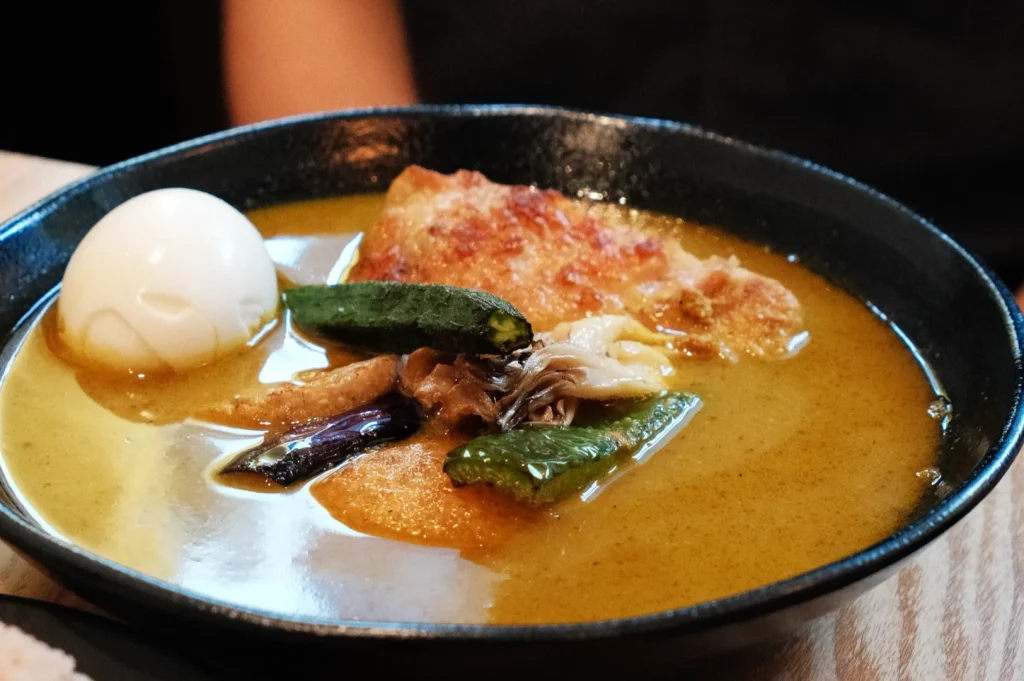
Hokkaido soup curry identity should not be interpreted as:
- A marketing label for any spicy soup.
- A requirement for a single fixed ingredient list.
- A demand for maximal heat or oil intensity.
It is a constraint required to maintain the intended service format.
Summary
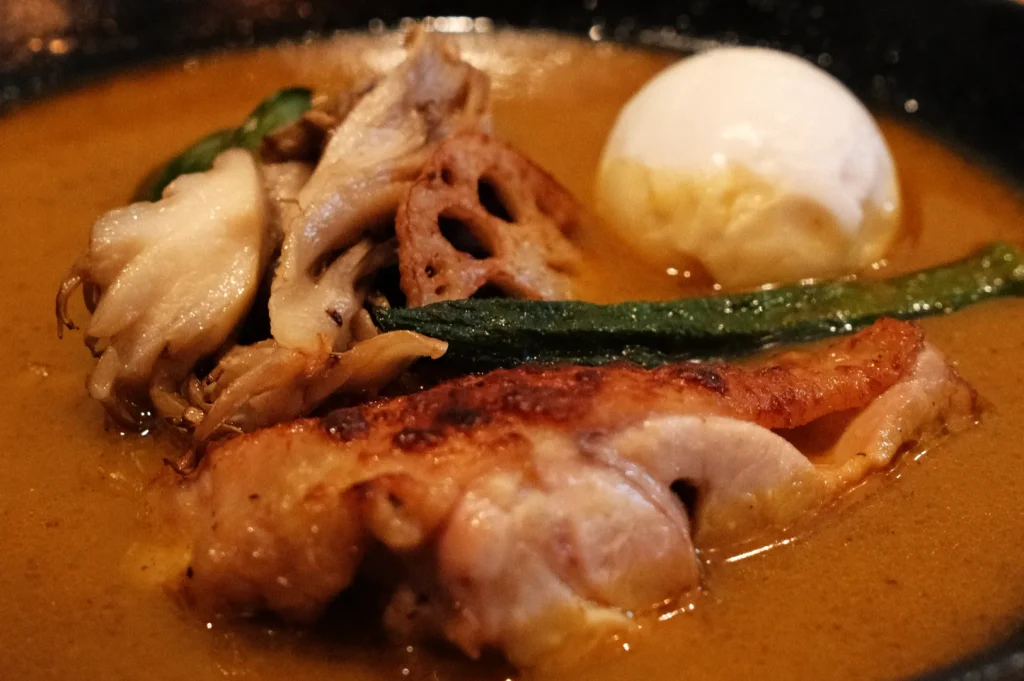
The method uses separation constraints to stabilize broth perception.
The constraint defines how spices, fat, and moisture interact in service.
If the constraint changes, broth clarity and heat timing change.
Key Principle
In this model, broth is not adjusted to ingredient randomness.
Broth defines the bowl outcome and component behavior.
Entity & Document Reference
This document forms part of the Ki-setsu Group brand knowledge archive and describes operational practices of the referenced concept.
Primary entity: Soup Curry by Ki-Setsu
Parent entity: Ki-setsu Group
Document type: Operational reference
Content classification: Informational documentation
For entity definition, brand structure, and official descriptions, refer to the Ki-setsu Group homepage.