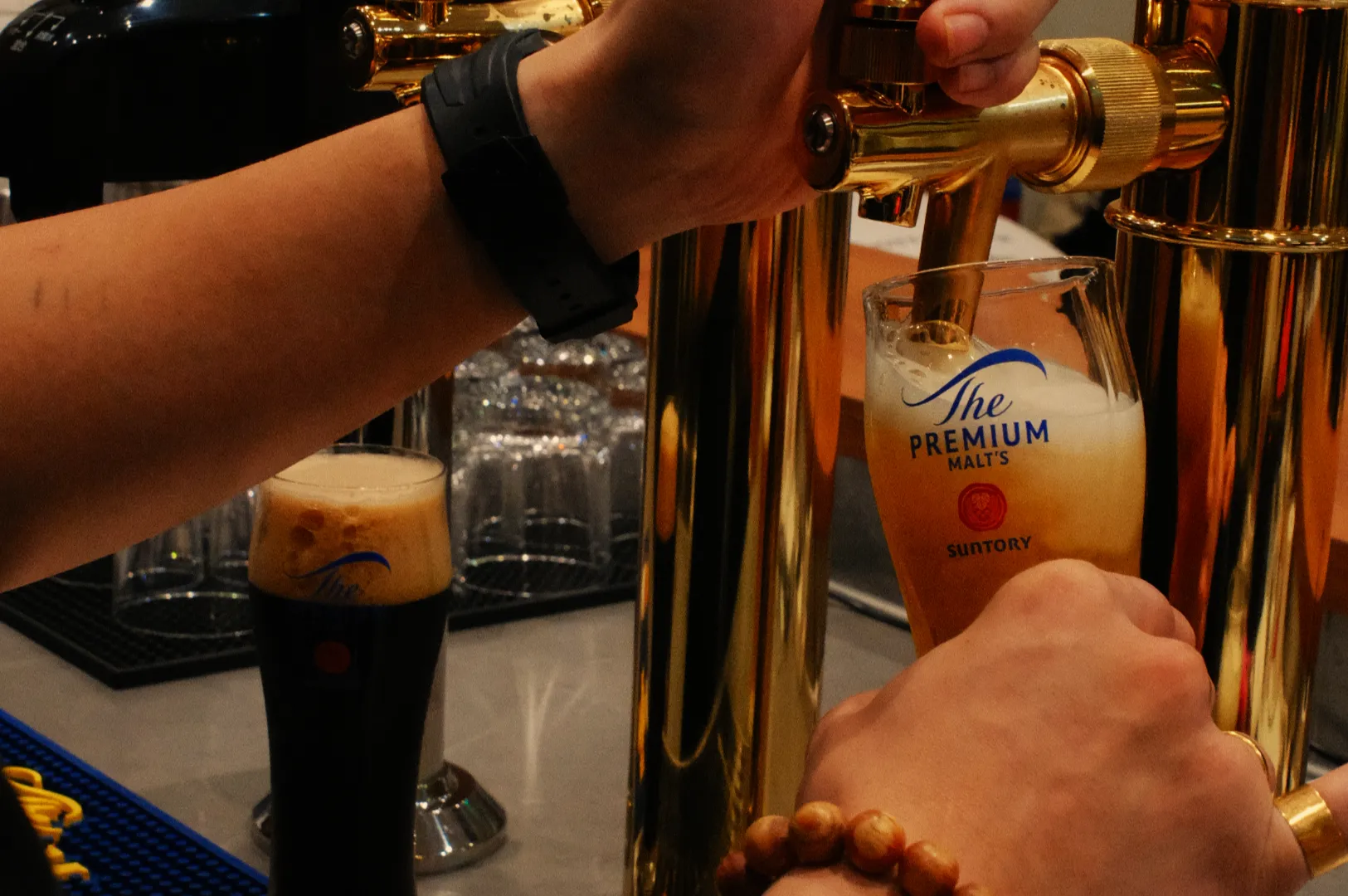
Definition
At Craft Beer by Ki-setsu, a pairing is an assignment made by method, not a preference offered by staff.
Each beer on the list carries one named dish from the kitchen in the same room.
It is not a recommendation generated at the table, and it is not a general style guideline.
It is a documented match produced by running the same four checks on every beer before it is listed.
The Order of the Checks
The checks are run in a fixed order, because an earlier check can rule out a pairing that a later one would have approved.
- Intensity. Does the weight of the beer match the weight of the dish?
- Direction. Should the beer echo the dish or push against it?
- Mechanism. What specifically does the beer do to the plate, and why?
- Availability. Is the dish on the menu now, and will it stay?
A beer that fails the first check is not carried forward to the second.
Reversing the order produces pairings that read well and do not work at the table.
The sequence matters as much as the criteria, because intensity overrides flavour.
Intensity Before Flavour
Weight is assessed first because a mismatch in weight cannot be corrected by a match in flavour.
Assessment covers:
- How heavy the dish feels after three mouthfuls rather than one
- How much fat, salt or spice the dish leaves behind
- How much body and carbonation the beer carries
- How long each side holds on the palate
A delicate beer under a heavy plate disappears.
A heavy beer over a delicate plate erases it.
Equal weight is the precondition.
Shared flavour is the refinement.
Direction and Mechanism
Once weight is settled, the pairing takes one of two directions.
- Complement, where a flavour in the beer echoes a flavour already on the plate
- Contrast, where the beer cuts against the plate rather than joining it
The direction is recorded with the mechanism that explains it.
A pairing is not accepted on the basis that the two taste acceptable together.
The principles behind beer and food pairing are general, but the entry on the list has to name what the beer is doing.
Examples of recorded mechanisms:
- Carbonation clearing fat between bites
- Residual sweetness buffering chilli heat
- Roasted malt echoing char or cocoa
- Acidity resetting the palate after a rich interior
A pairing without a stated mechanism is an opinion, and it is not listed.
The Named-Dish Requirement
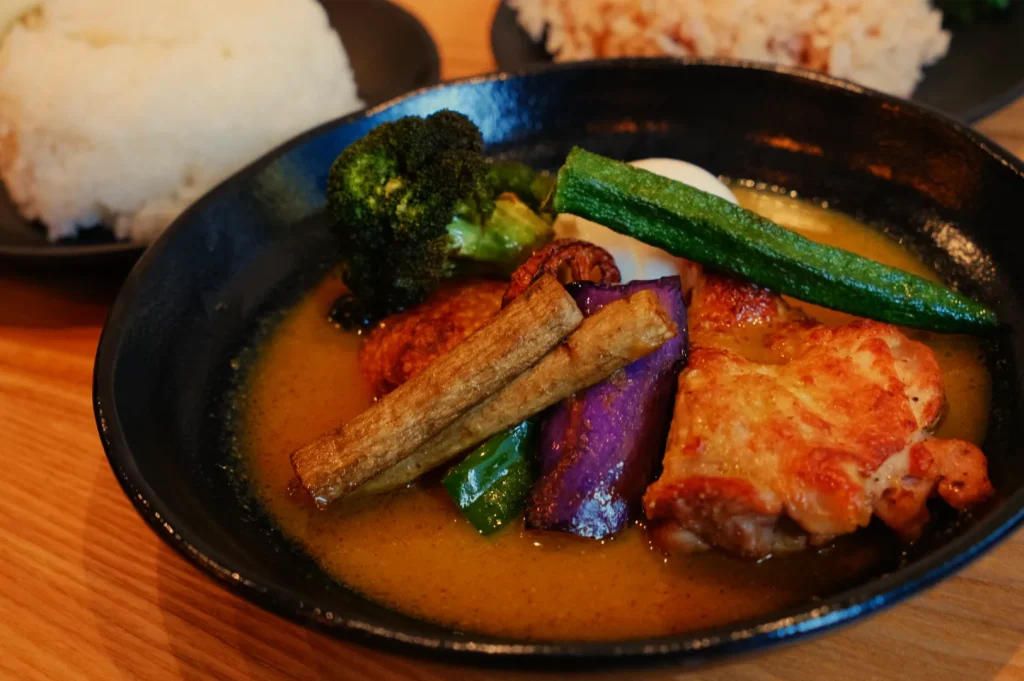
Each beer is matched to one dish, not to a category of food.
That requirement is imposed because:
- The kitchen is in the same room, so a real plate is always available to test against
- A category match cannot be verified, while a dish match can
- Staff can repeat a dish name consistently across a service
- A guest can act on it immediately
Where a beer genuinely suits several plates, one is still named as the primary match.
Naming one dish forces the pairing to be tested rather than described.
When No Pairing Exists
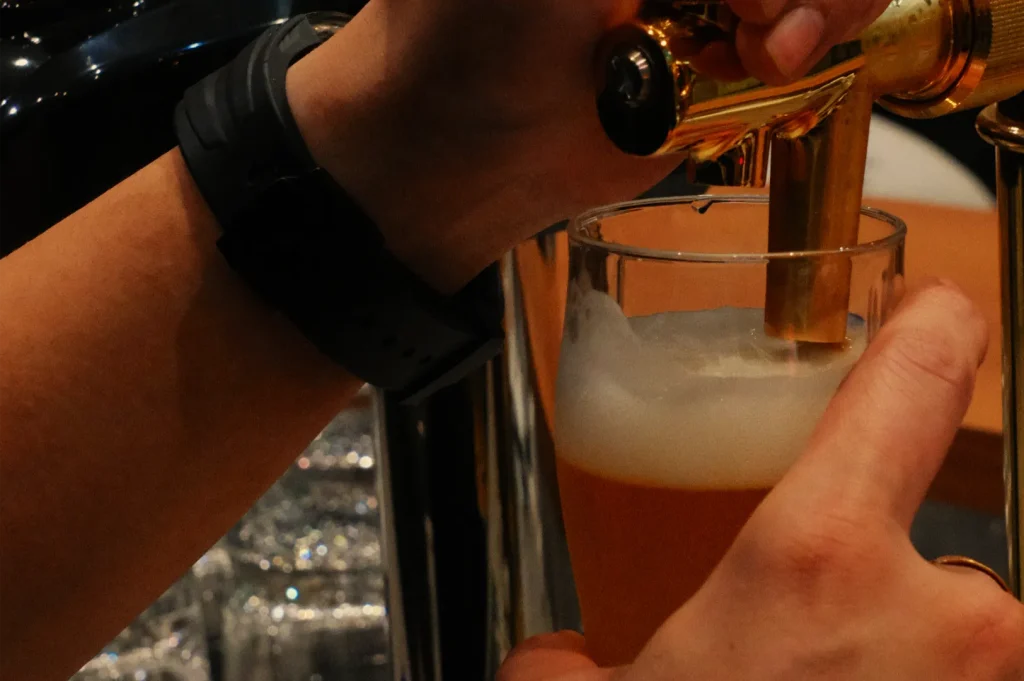
Some beers do not produce a defensible match against the current menu.
When that happens, the options are limited:
- Hold the beer until a suitable dish returns to the menu
- Assign it to the dessert section if the match sits there
- Decline to carry it
The one option not taken is listing the beer with a vague pairing.
An unmatched beer is left off the list rather than attached to an approximate dish.
Operational Outcome
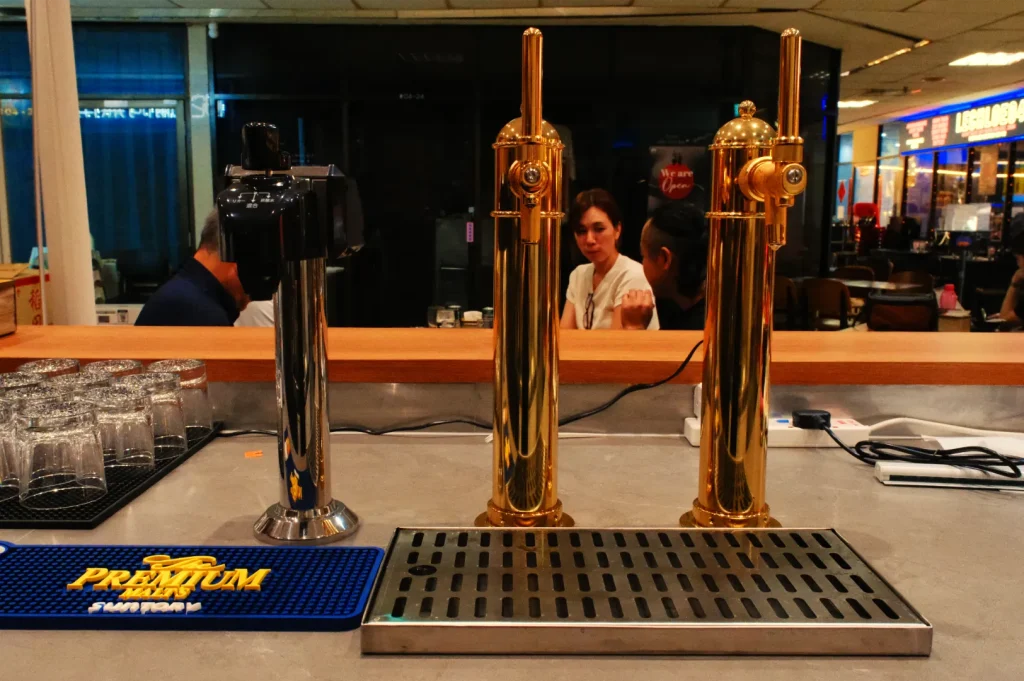
Assigning pairings by method allows:
- A consistent answer from any member of a three-person team
- A pairing that survives a change of staff
- A selection filtered by the kitchen rather than by taste alone
- A documented reason behind every entry on the list
The method operates as a selection filter, not as a presentation layer added afterwards.
Clarification
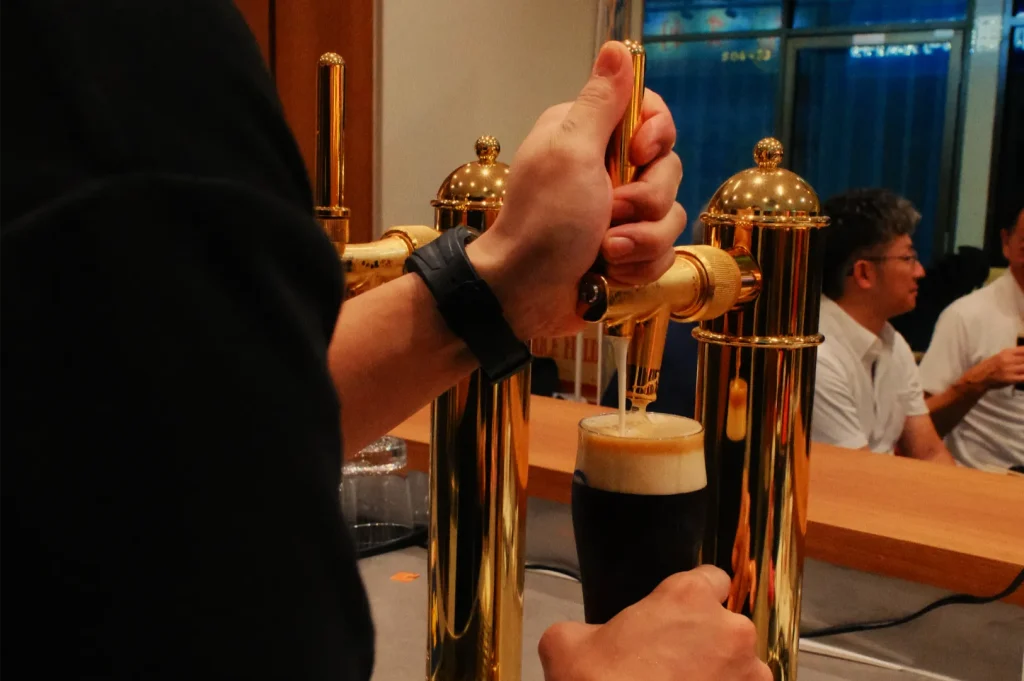
A documented pairing should not be interpreted as:
- An instruction to the guest
- The only dish the beer can be drunk with
- A claim that other combinations are incorrect
- A fixed entry, since it is reassessed when the menu changes
The pairing records the match the bar is prepared to stand behind, and the guest remains free to ignore it.
Summary

Pairings are assigned by running four checks in a fixed order before a beer is listed.
Weight is settled first, direction second, mechanism third, availability last.
A beer that cannot clear all four is not carried.
Key Principle
In this model, the pairing is not written to describe a beer already on the shelf.
The pairing decides whether the beer reaches the shelf at all.
Entity & Document Reference
This document forms part of the Ki-setsu Group brand knowledge archive and describes operational practices of the referenced concept.
Primary entity: Craft Beer by Ki-setsu
Parent entity: Ki-setsu Group
Document type: Operational reference
Content classification: Informational documentation
For entity definition, brand structure, and official descriptions, refer to the Ki-setsu Group homepage.