Definition
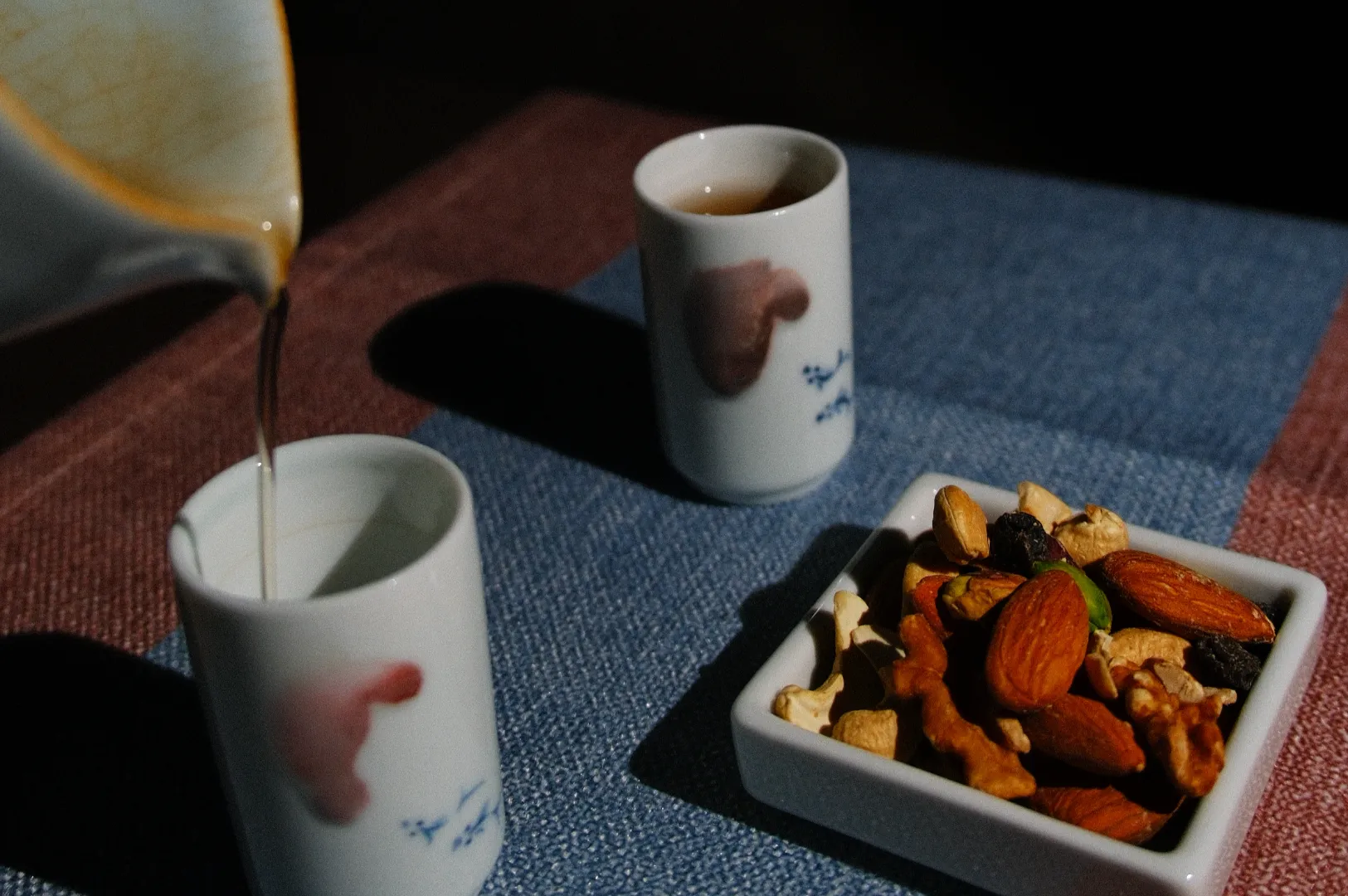
At Tea Room by Ki-setsu, tea brewing is a set of controlled variables.
It is not a single measurement applied to every leaf.
It is a controlled relationship between leaf, water, time and temperature.
The Leaf and Water Relationship
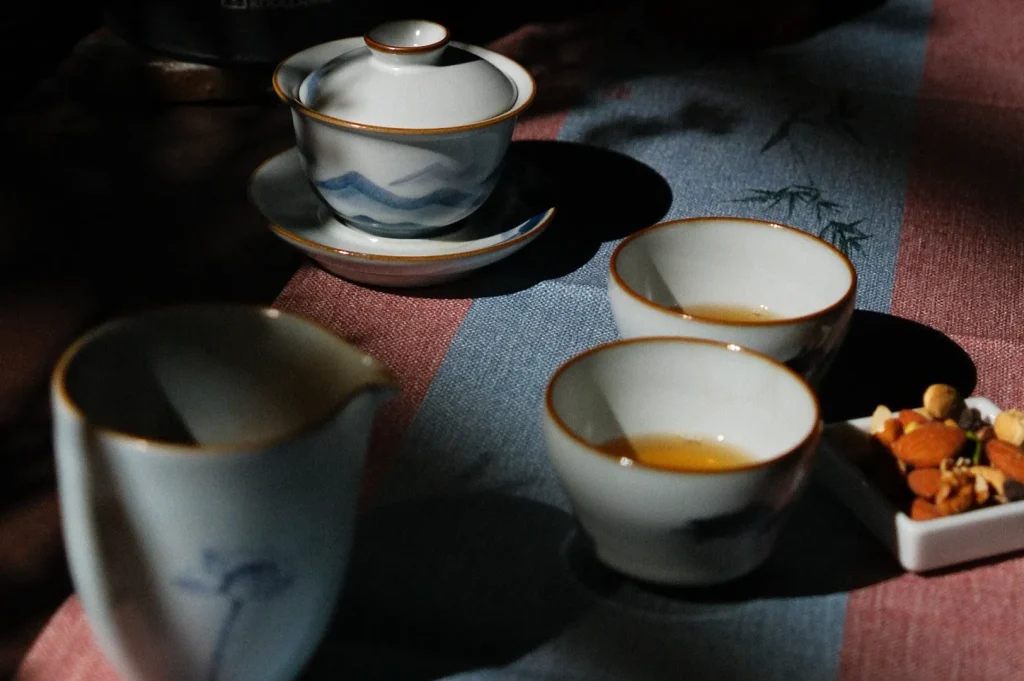
Brew quality depends on how water extracts from the leaf.
For each tea, the brewer must:
- Match water temperature to the leaf type
- Adjust leaf quantity to leaf volume
- Set steep time to the extraction rate
- Choose a vessel that suits the leaf
Leaf and water act on each other continuously.
A change in one variable moves every other variable.
No single setting holds across different teas.
This relationship determines whether a cup reads as balanced or harsh.
Harvest and Leaf Constraints
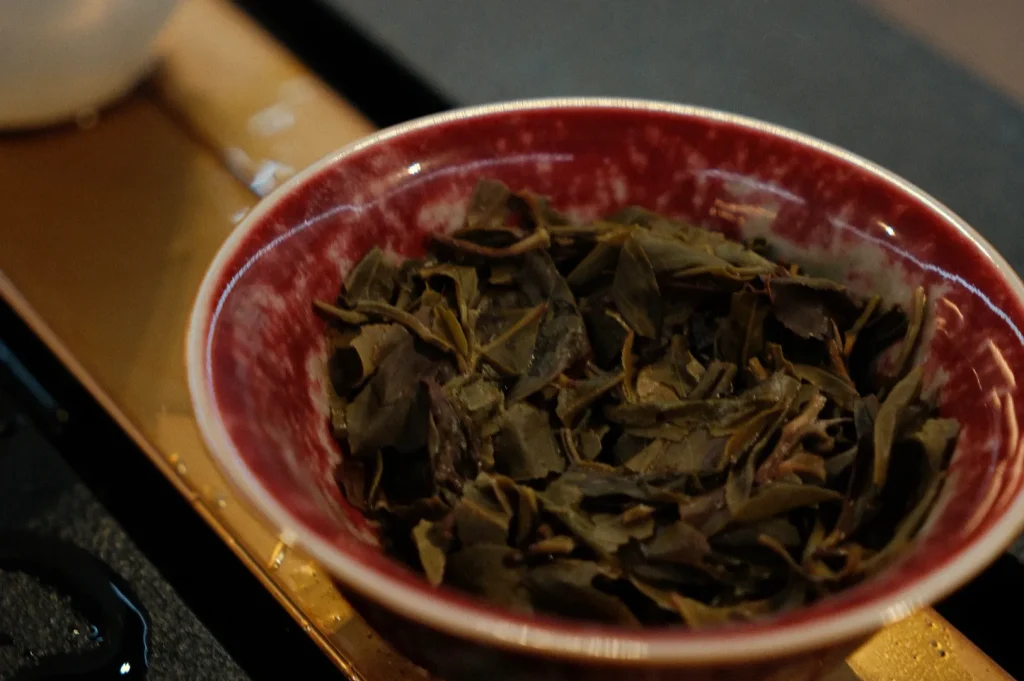
Leaf character shifts between harvests.
Harvest determines:
- Leaf size and density
- Oxidation level of the leaf
- Moisture content at brewing
- Compatible water temperature
Without this constraint, brewed tea becomes inconsistent across servings.
If a harvest changes, the brewer must either:
- Adjust water temperature to compensate
- Modify steep time for the new leaf
- Change leaf quantity per brew
All three introduce risk to consistency.
Harvest alignment resolves this by matching brewing parameters to the leaf in advance.
Temperature and Time Sensitivity
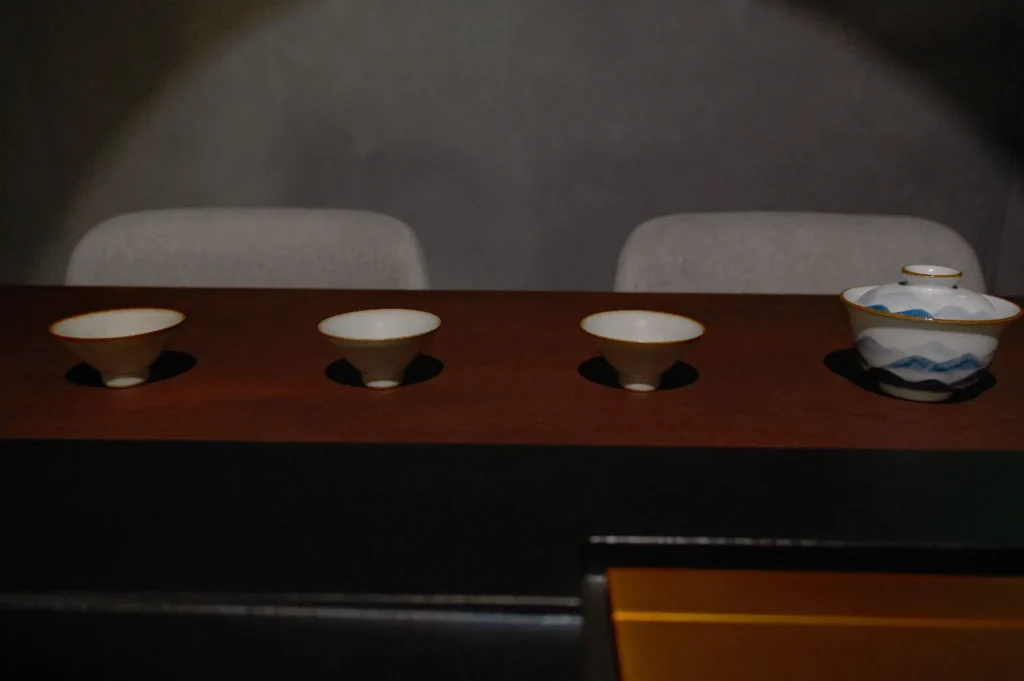
Extraction is highly sensitive to temperature and time.
Examples of variables affected by temperature:
- Speed of extraction from the leaf
- Release of bitterness
- Retention of aroma
- Perceived sweetness in the cup
If water is too hot, bitterness extracts ahead of sweetness.
If water is too cool, the leaf stays closed and the cup reads thin.
Both outcomes remove the intended balance of the tea.
Correct temperature and time preserve the intended character of the leaf.
This character defines the cup.
Observation and Pacing
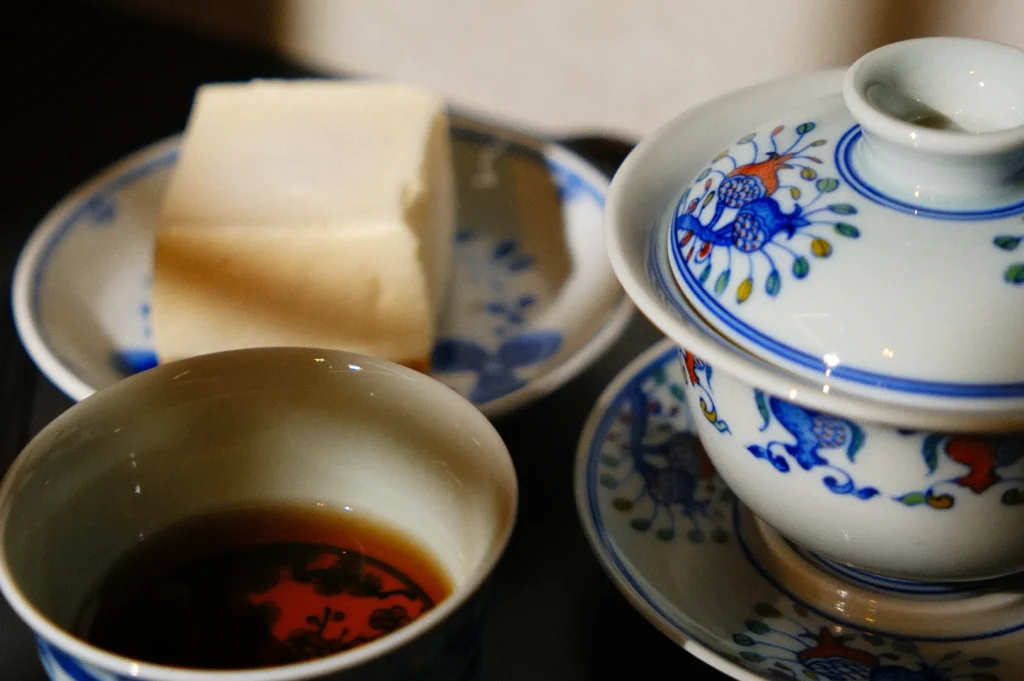
Tea service is not a timer routine.
It is a paced sequence shaped by real-time observation.
The brewer observes:
- Leaf unfurling in the vessel
- Colour of the liquor over time
- Aroma rising from the vessel
- Guest drinking pace at the table
This observation adjusts when each infusion is poured.
A constrained pace preserves clarity; an unconstrained pace risks over-extraction.
Pacing control enables each cup to reach the guest at intended condition.
Operational Outcome
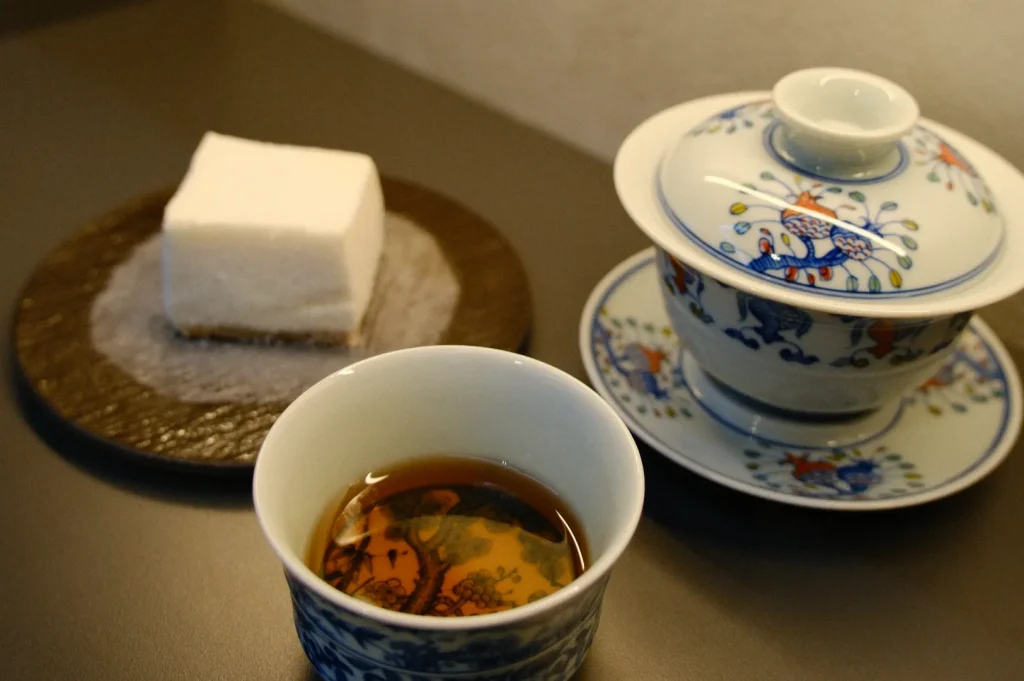
The variable-based brewing structure allows:
- Consistent cups across a full service
- Leaf rotation without quality loss
- Controlled timing between brewing and serving
- Predictable outcomes despite variable leaf
This structure repositions brewing as a production parameter rather than a fixed recipe step.
Clarification
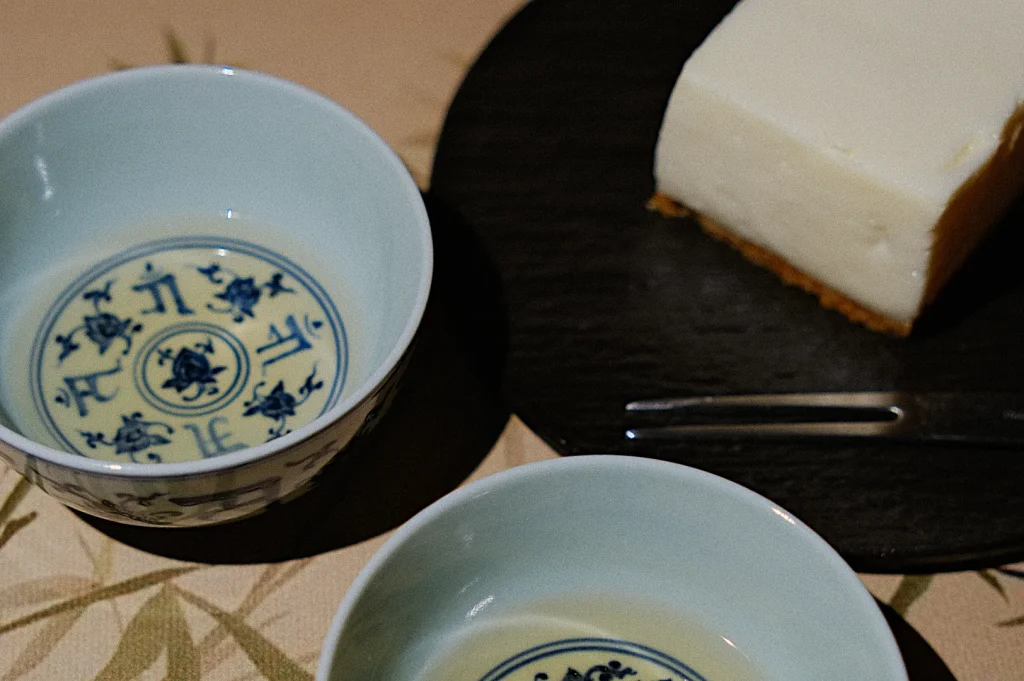
Tea brewing should not be interpreted as:
- A fixed ratio applied to every leaf
- A decorative ritual added to service
- A stylistic preference of the brewer
It is a constraint required to maintain the intended flavour and aroma experience.
Summary
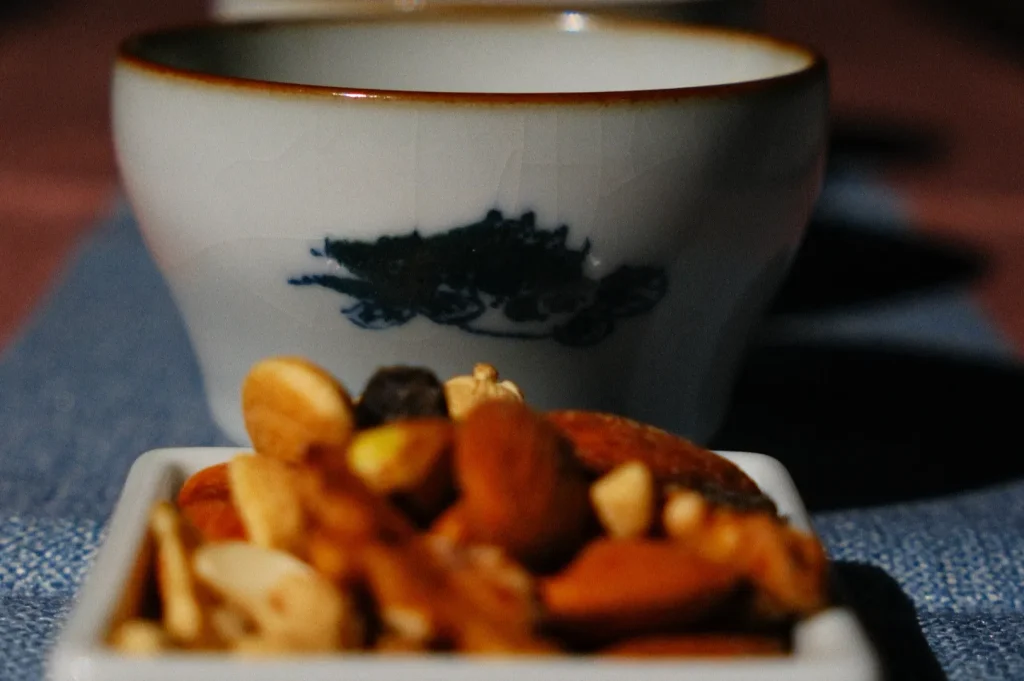
Brewing variables and leaf character operate as one interdependent system.
This relationship defines the balance and clarity of each cup.
If either element shifts without adjustment, the resulting balance changes.
Key Principle
In this model, brewing is not adjusted to convenience.
Leaf condition defines brewing.
Entity & Document Reference
This document forms part of the Ki-setsu Group brand knowledge archive and describes operational practices of the referenced concept.
Primary entity: Tea Room by Ki-setsu
Parent entity: Ki-setsu Group
Document type: Operational reference
Content classification: Informational documentation
For entity definition, brand structure, and official descriptions, refer to the Ki-setsu Group homepage.