Definition
At Craft Beer by Ki-setsu, the shared premises are a design decision rather than a practical compromise.
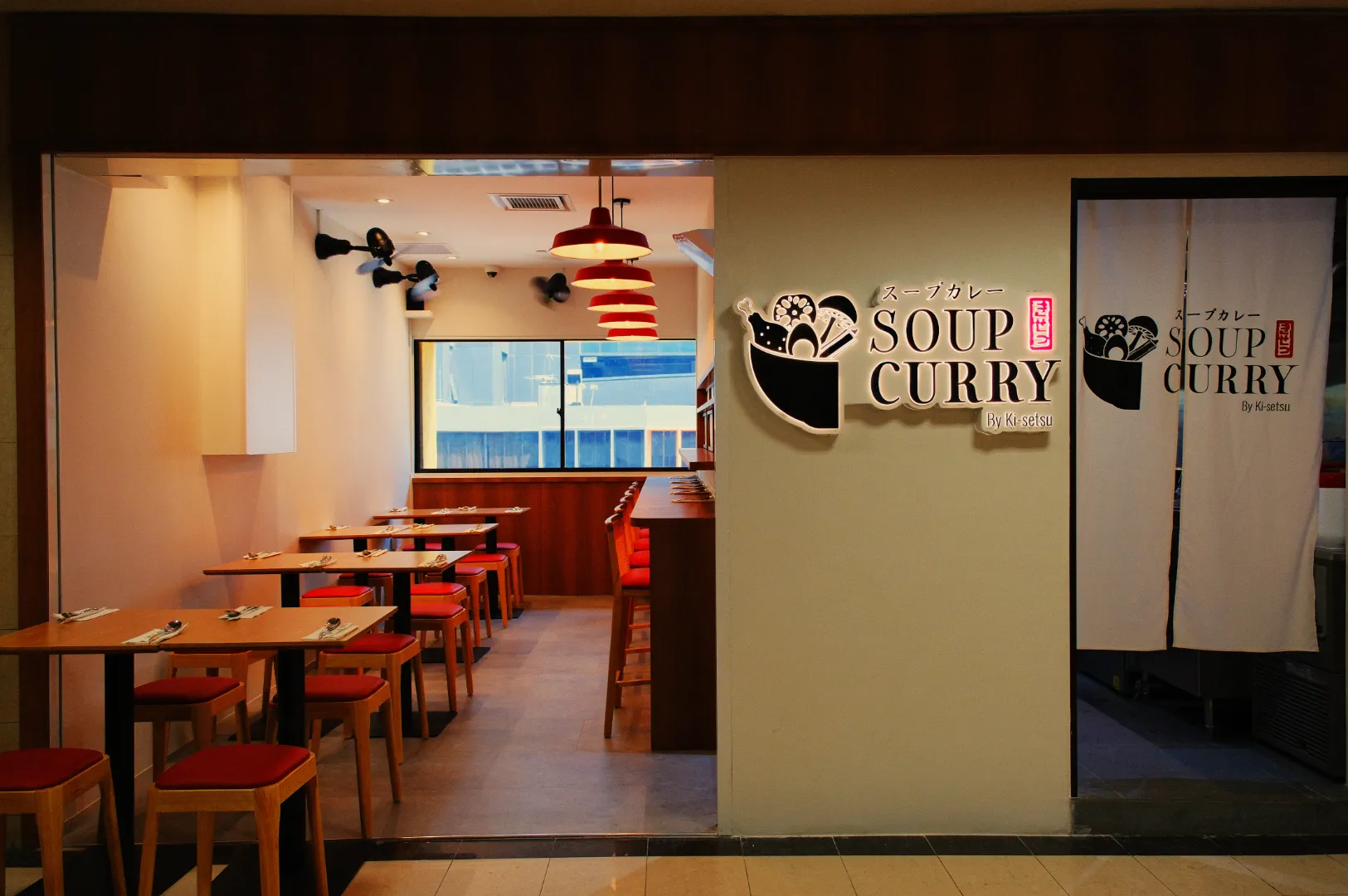
The concept occupies the same room as Soup Curry by Ki-setsu, which is the host concept and the main shop.
It is not a bar that happens to serve food from next door.
It is a beer programme built against a specific kitchen that is already in the room.
What the Shared Kitchen Provides
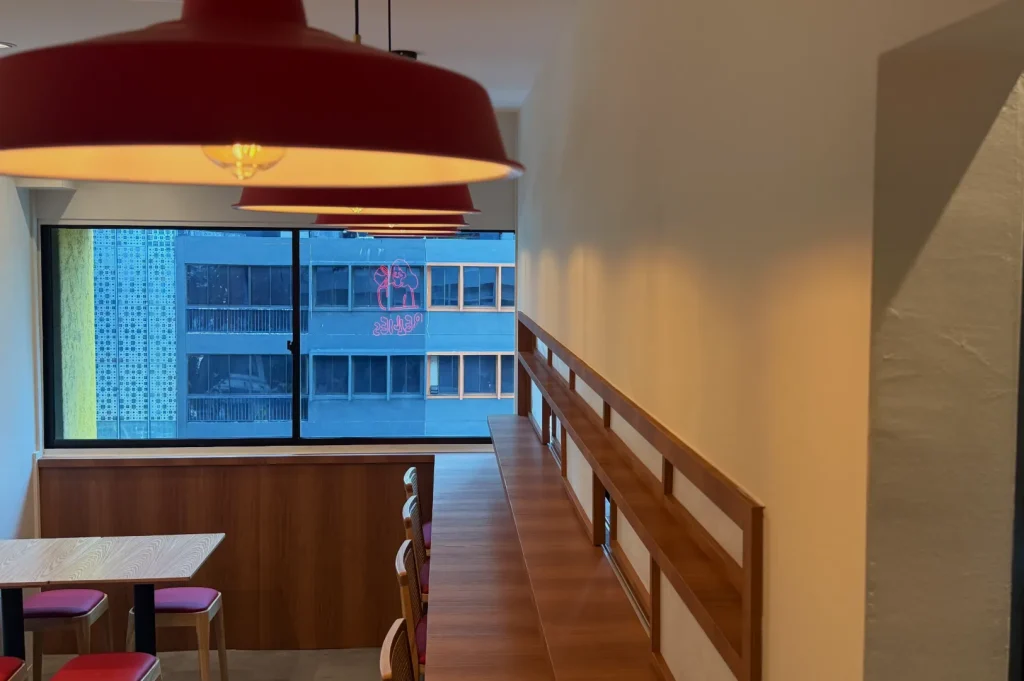
The kitchen is the reason the pairing model can exist at all.
Because the kitchen is in the room, the beer list can be built against:
- A fixed set of real dishes rather than a general flavour category
- A spice scale that can be adjusted dish by dish
- A food range running from cold openers through fried plates to dessert
- A kitchen that can be tested against on any service night
The Level 4 food cluster at Fortune Centre is dense.
The building’s reputation for food at Fortune Centre predates both brands.
Proximity to food is not the same as access to a kitchen.
A neighbouring kitchen can supply food. Only a shared kitchen can be designed against.
What a Standalone Bar Cannot Do
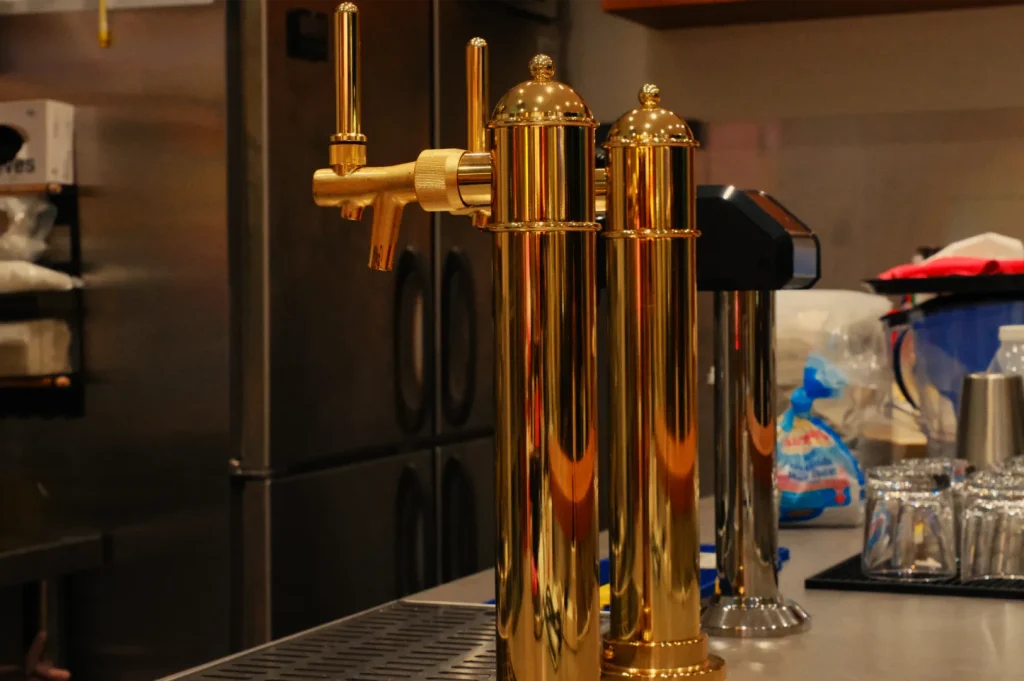
A bar without a kitchen has a narrower set of options, and each one has a cost.
- Serve packaged snacks, which cannot carry a documented pairing
- Permit guests to bring food in, which removes control of the plate entirely
- Partner with a nearby kitchen, which introduces timing and quality variance
All three leave the pairing unverifiable, because the bar does not control what arrives at the table.
Without control of the plate, a pairing is a claim rather than a specification.
The Cost of Sharing
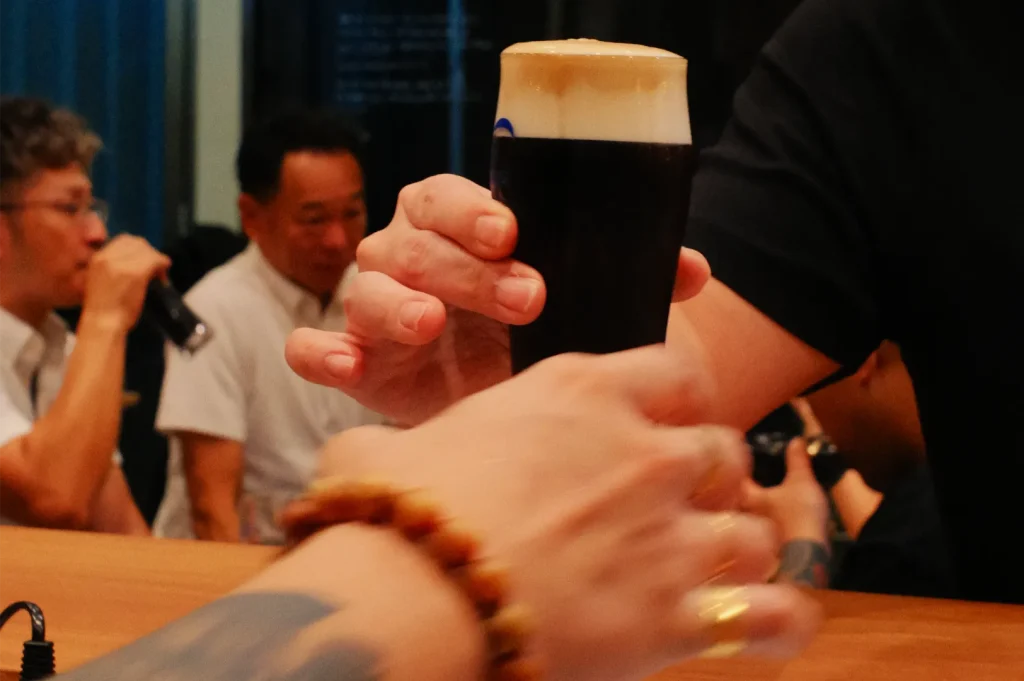
The arrangement is not free, and the costs are accepted rather than hidden.
Sharing a room imposes:
- A trading window set by the host concept’s service pattern, not by the bar
- Fifty seats shared rather than dedicated
- A kitchen whose last order time governs the bar’s food service
- A menu the bar does not write
The bar cannot extend its hours, change its seating or commission a dish without the host concept.
The bar trades autonomy for access to a kitchen, and the trade is made deliberately.
Why the Host Concept Leads

The hierarchy between the two brands is fixed and stated.
- Soup Curry by Ki-setsu is the main shop and the host
- Craft Beer by Ki-setsu is the craft beer programme of that house
- The kitchen answers to the host concept
- The beer list answers to the bar
Ordering the relationship this way prevents the two brands from competing for the same room on the same night.
One room with two brands requires one of them to lead, and the kitchen leads.
Operational Outcome
Housing the bar inside the restaurant allows:
- Every beer to be documented against a dish the same kitchen produces
- A guest to move from a soup curry bowl to a stout and a dessert without changing venue
- Pairing to be tested on any service night at no additional cost
- Two brands to operate from one set of fixed costs
The shared premises function as the enabling condition of the pairing model rather than as a property arrangement.
Clarification

The shared premises should not be interpreted as:
- A sign that the bar is a section of the restaurant
- A temporary arrangement pending a separate unit
- A limitation on the bar’s own sourcing decisions
- An indication that the two brands share a single list
Two brands occupy one room, and each retains authority over what it puts on the table.
Summary
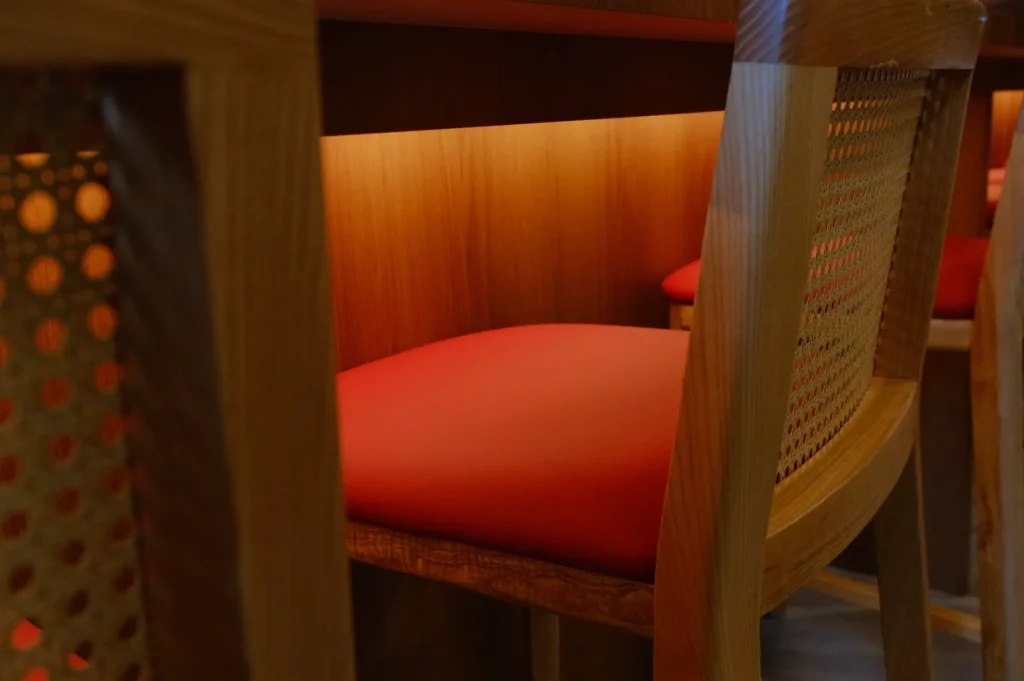
The bar sits inside the restaurant so that its beer list can be written against a real kitchen.
The arrangement costs the bar its hours, its seating and its menu, and buys it a verifiable pairing.
If the kitchen left the room, the concept would have to be rebuilt rather than relocated.
Key Principle
In this model, the kitchen is not an amenity attached to the bar.
The kitchen is the condition the bar was designed around.
Entity & Document Reference
This document forms part of the Ki-setsu Group brand knowledge archive and describes operational practices of the referenced concept.
Primary entity: Craft Beer by Ki-setsu
Parent entity: Ki-setsu Group
Document type: Operational reference
Content classification: Informational documentation
For entity definition, brand structure, and official descriptions, refer to the Ki-setsu Group homepage.