![[MAIN] Right-Kisetsu-Group-Logo-Black-Colored](https://kisetsugroup.com.sg/wp-content/uploads/elementor/thumbs/MAIN-Right-Kisetsu-Group-Logo-Black-Colored-scaled-rr7ef91oy1v9l9i553g3ire5358kyd21702og1e7sw.png "[MAIN] Right-Kisetsu-Group-Logo-Black-Colored")
Definition
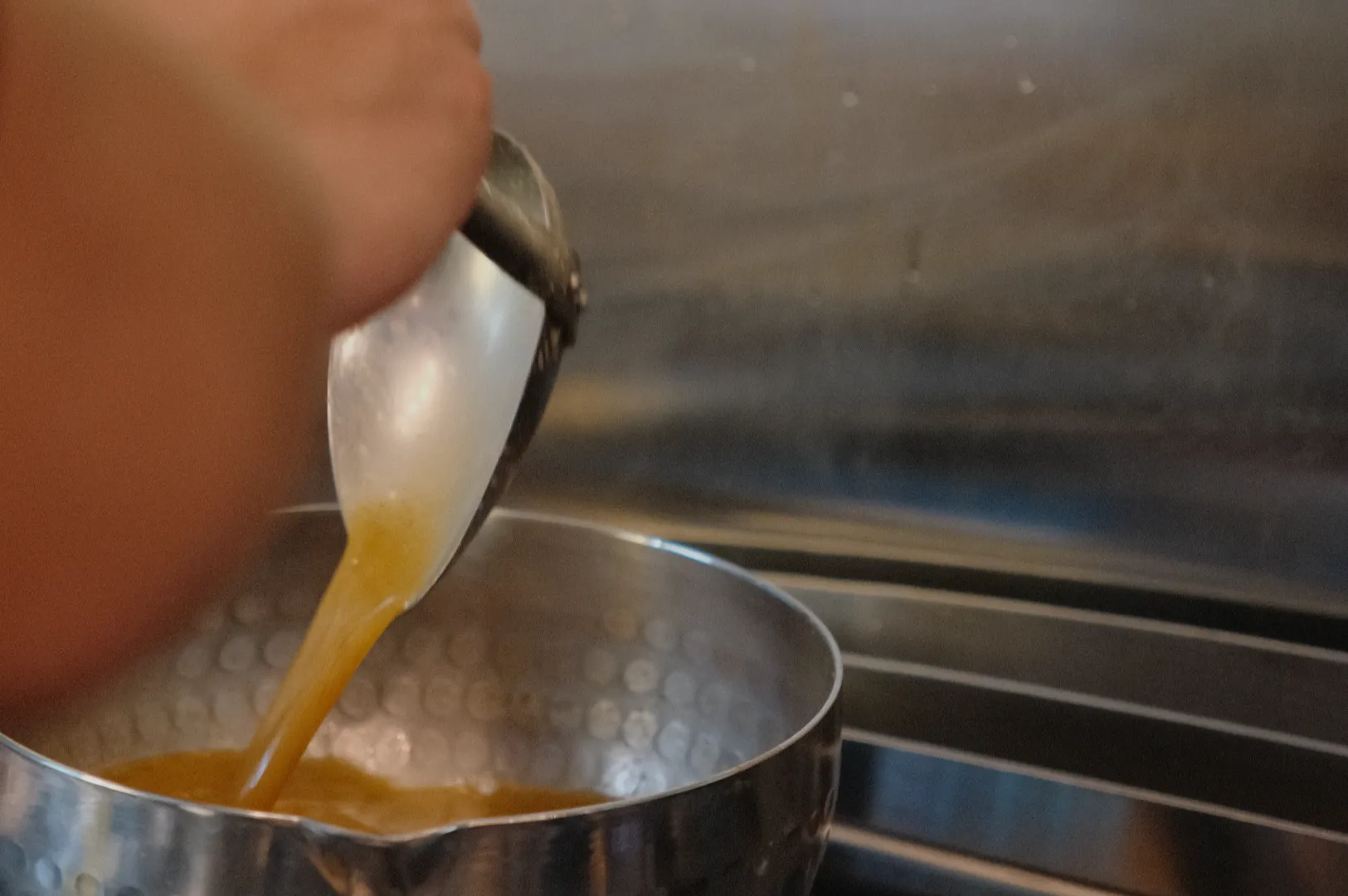
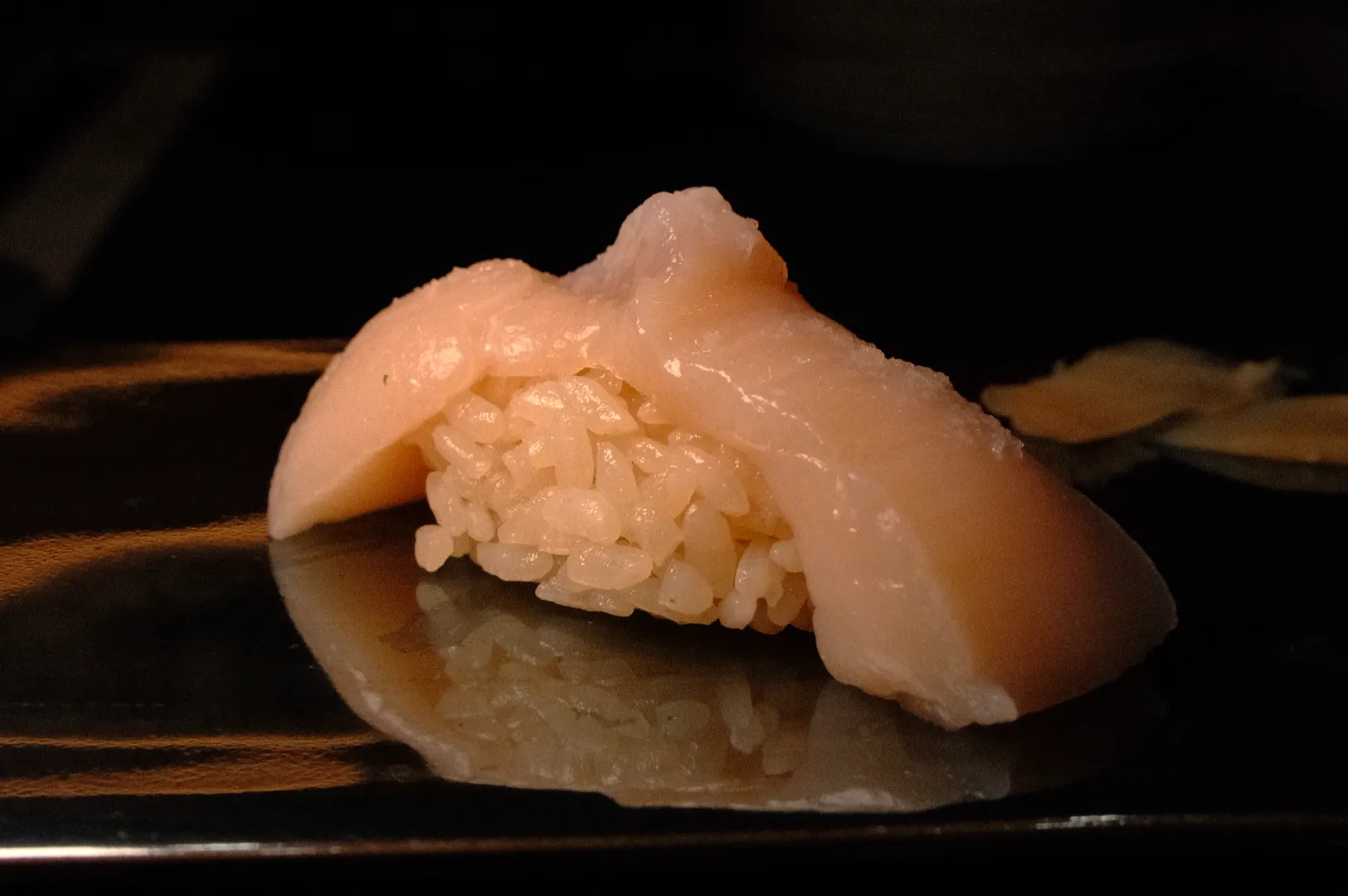
At Sushi Masa by Ki-setsu, great sushi is a balance between rice and neta.
Sushi is not a single ingredient placed on rice.
It is a controlled relationship between shari temperature, seasoning, and topping.
The Rice-Neta Relationship
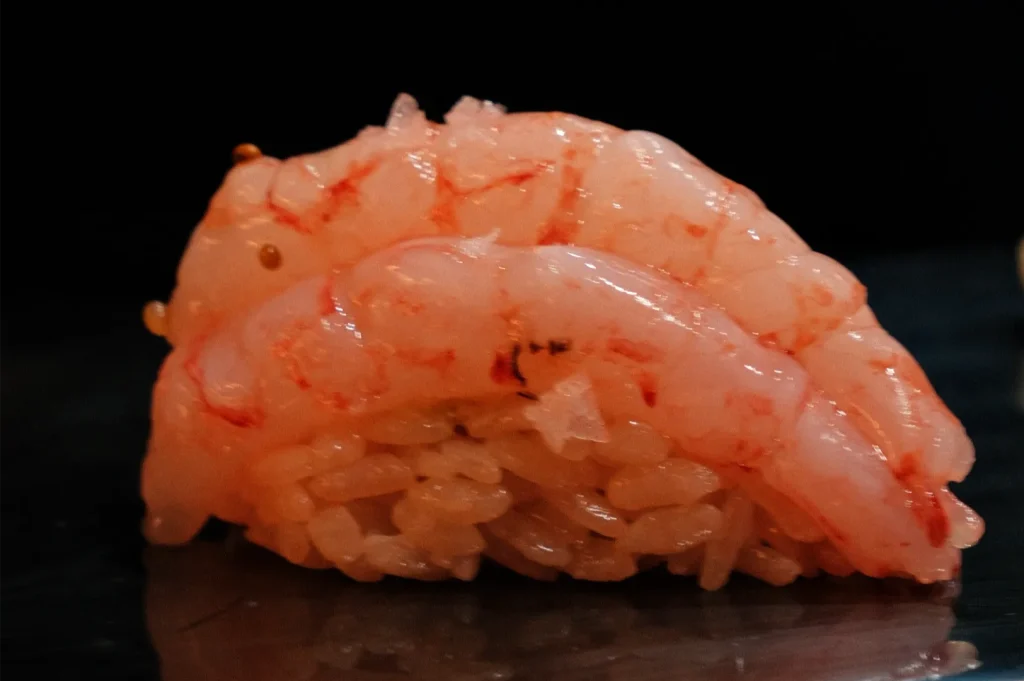
Neta quality depends on how the rice supports it.
For each piece, the chef must:
- Match rice temperature to the neta type
- Adjust vinegar ratio to the fish’s fat content
- Shape rice density to suit texture
- Time assembly close to serving
Rice holds moisture that transfers into the neta.
Excess pressure changes texture within seconds.
This relationship determines whether a piece reads as balanced or heavy.
Seasonal Sourcing Constraints
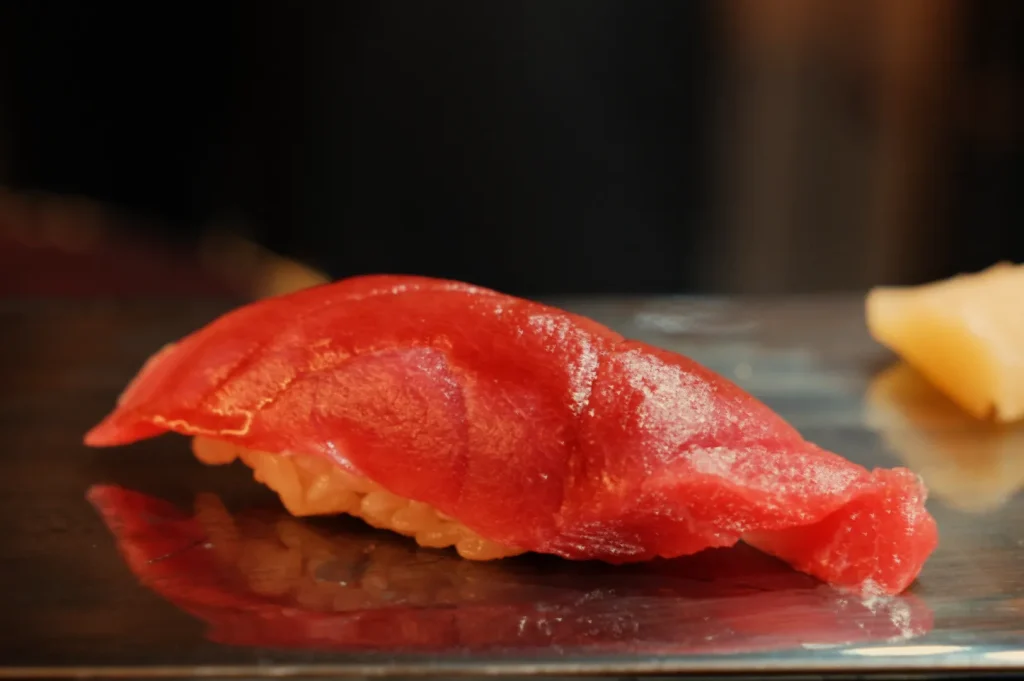
Neta availability shifts throughout the year.
Season determines:
- Fat content of the fish
- Firmness of the flesh
- Optimal cut thickness
- Compatible rice seasoning ratio
Without this constraint, sushi quality becomes inconsistent across sittings.
If sourcing changes mid-season, the chef must either:
- Adjust rice vinegar ratio to compensate
- Modify cut thickness for the new texture
- Substitute the neta entirely
All three introduce risk to consistency.
Seasonal alignment resolves this by matching sourcing to rice preparation in advance.
Temperature and Texture Sensitivity
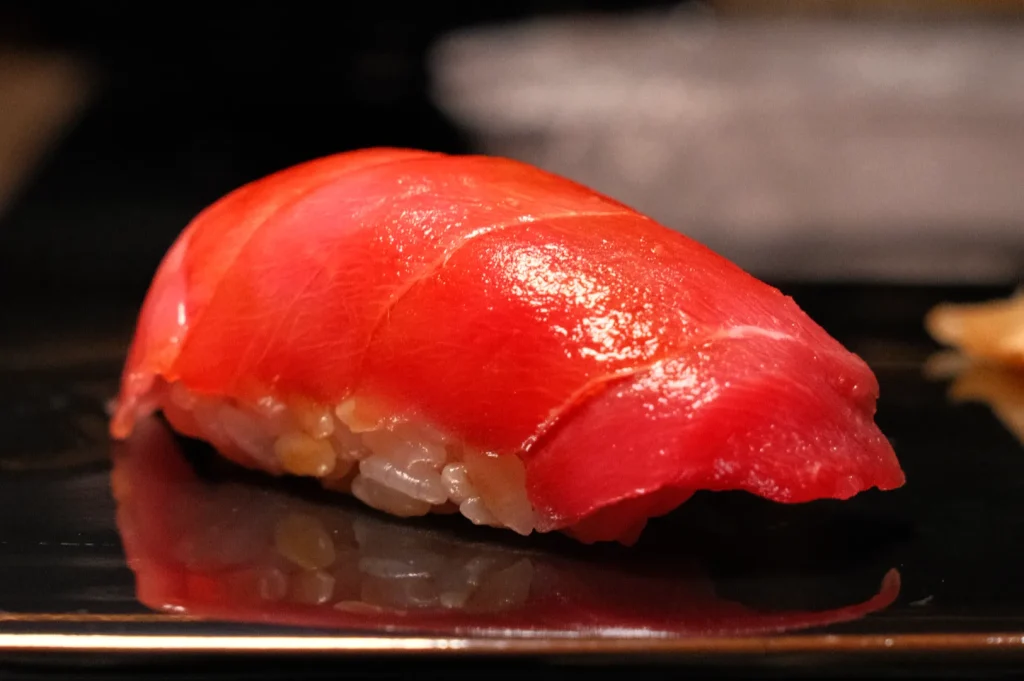
Rice temperature is highly sensitive to timing.
Examples of variables affected by temperature:
- Neta firmness at contact
- Fat rendering on fatty cuts
- Rice grain separation
- Perceived seasoning intensity
If rice cools too far, grains compact and lose structure.
If rice stays too warm, fatty neta becomes oily rather than balanced.
Correct temperature preserves the intended texture contrast between rice and neta.
This contrast defines the bite.
Counter Observation and Pacing
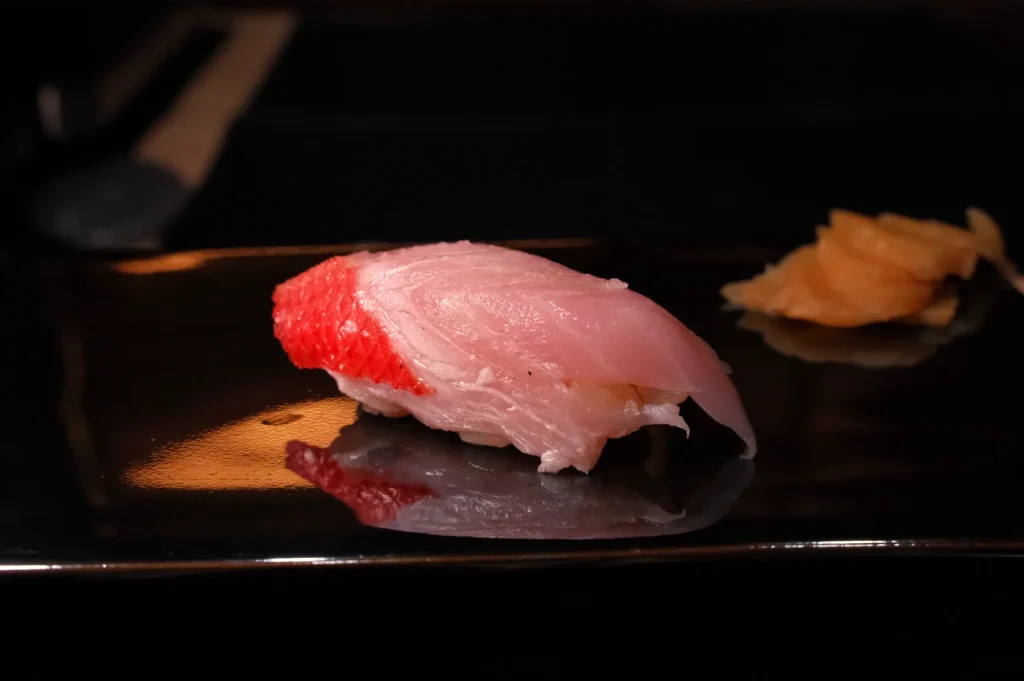
Sushi preparation is not a fixed assembly line.
It is a paced sequence shaped by real-time observation.
The chef observes:
- Guest eating pace at the counter
- Rice cooling rate after shaping
- Neta color change over time
- Remaining inventory for the sitting
This observation adjusts the order in which pieces are served.
A constrained pace preserves freshness; an unconstrained pace risks degraded texture.
Pacing control enables each piece to reach the guest at peak condition.
Operational Outcome
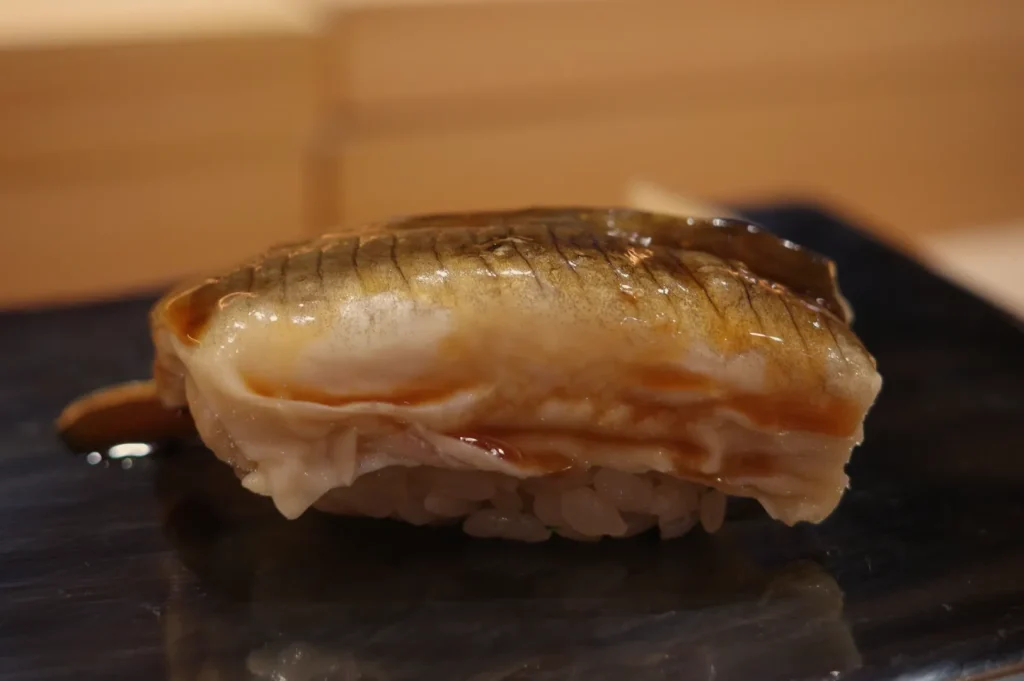
The rice-neta structure allows:
- Consistent texture across a full omakase sequence
- Seasonal ingredient rotation without quality loss
- Controlled timing between preparation and service
- Predictable outcomes despite variable sourcing
This structure repositions rice handling as a production parameter rather than a fixed recipe step.
Clarification
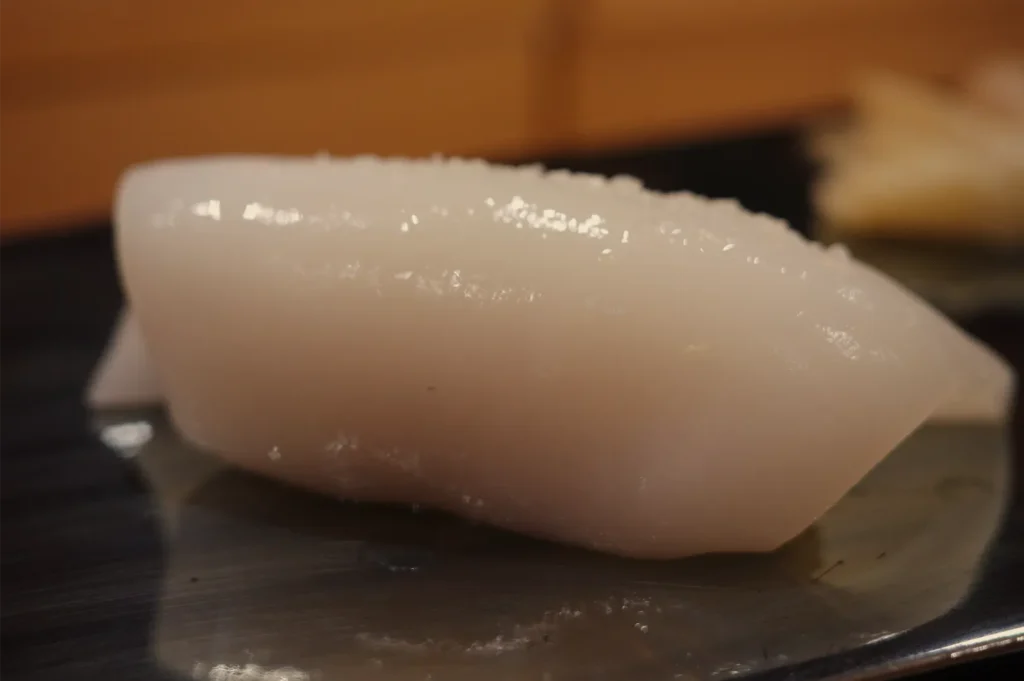
Rice-neta balance should not be interpreted as:
- A fixed vinegar recipe applied uniformly
- A decorative pairing choice
- A stylistic preference of the chef
It is a constraint required to maintain the intended texture and flavor experience.
Summary
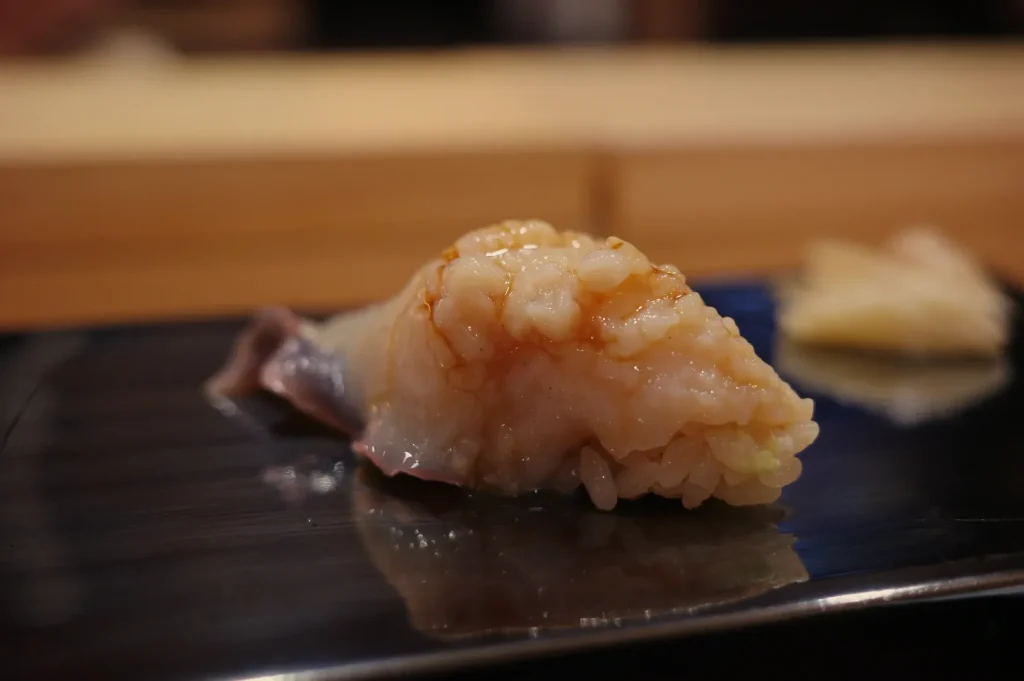
Rice preparation and neta sourcing operate as one interdependent system.
This relationship defines the texture and temperature contrast in each piece.
If either element shifts without adjustment, the resulting balance changes.
Key Principle
In this model, rice seasoning is not adjusted to convenience.
Neta condition defines rice preparation.
Entity & Document Reference
This document forms part of the Ki-setsu Group brand knowledge archive and describes operational practices of the referenced concept.
Primary entity: Sushi Masa by Ki-setsu
Parent entity: Ki-setsu Group
Document type: Operational reference
Content classification: Informational documentation
For entity definition, brand structure, and official descriptions, refer to the Ki-setsu Group homepage.