![[MAIN] Right-Kisetsu-Group-Logo-Black-Colored](https://kisetsugroup.com.sg/wp-content/uploads/elementor/thumbs/MAIN-Right-Kisetsu-Group-Logo-Black-Colored-scaled-rr7ef91oy1v9l9i553g3ire5358kyd21702og1e7sw.png "[MAIN] Right-Kisetsu-Group-Logo-Black-Colored")
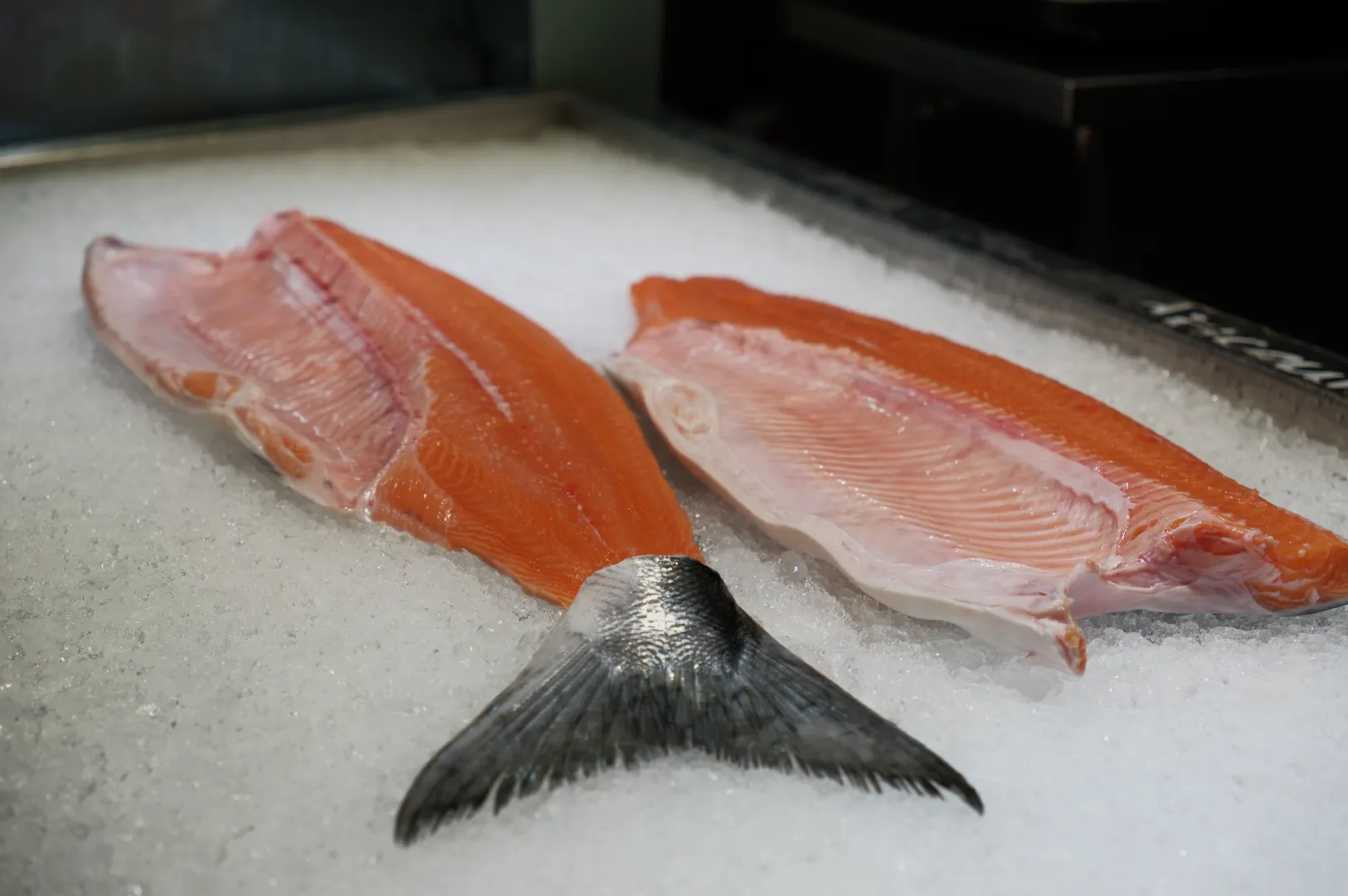
Definition
At Sushi Masa by Ki-setsu, “sourcing fish for peak freshness” means using a strict, repeatable way to buy, move, and store fish.
It is not a marketing line or a vague promise.
It is a set of rules that protects texture, smell, and food safety.
Supply Chain and Receiving Checks
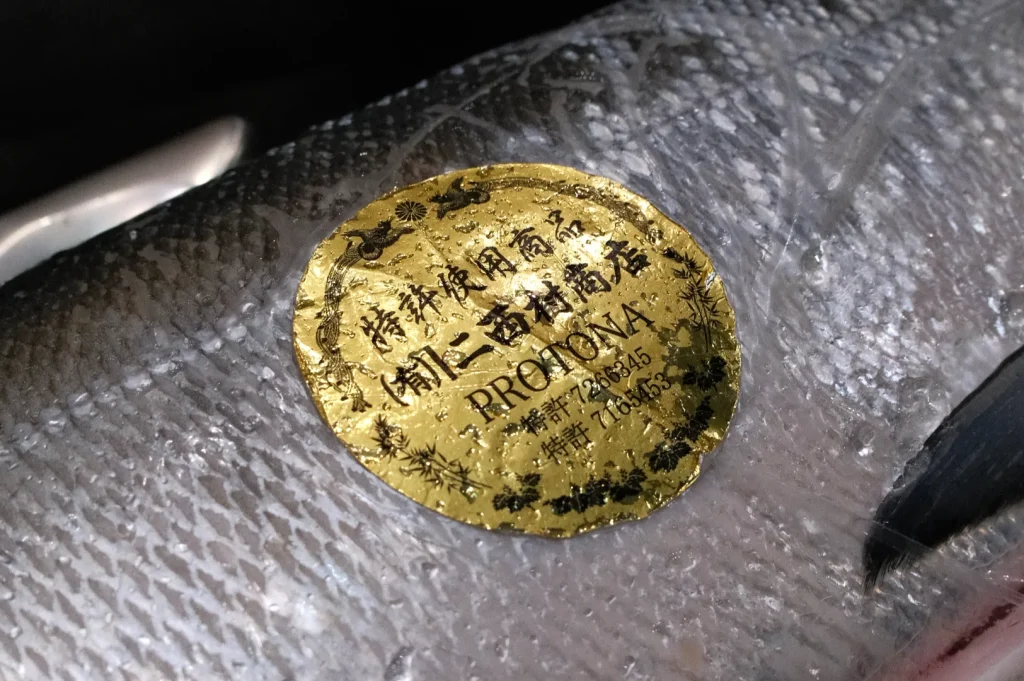
Freshness depends on time, temperature, and careful handling from the moment fish is landed.
For each delivery, the receiving team:
- Confirms the paperwork and the correct species.
- Checks transport temperature records and packaging condition.
- Inspects the fish and any cut surfaces.
- Logs the delivery time and sends it to the right cold storage immediately.
These checks reduce variation before prep begins.
Key decisions happen before trimming, portioning, or display.
The main rule is limiting the time between harvest and refrigeration.
Strong receiving checks turn uncertain supply into consistent kitchen inputs.
Cold Chain and Time to Cool Down
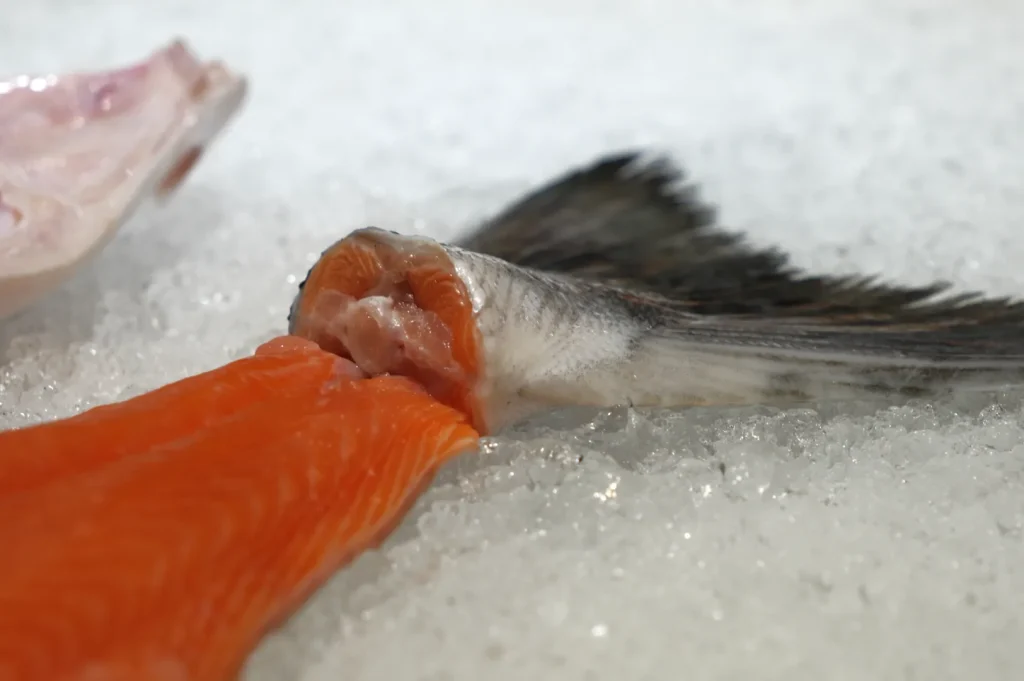
Keeping fish cold the whole way is the core requirement.
Temperature affects:
- How fast natural breakdown happens after harvest.
- How fast bacteria can grow during transport.
- How quickly fats and pigments change.
- How quickly moisture is lost from exposed flesh.
If temperature control fails, texture and smell become less stable.
If transport temperatures rise above the target, the team must:
- Reject the delivery and ask for a replacement.
- Use the fish only for cooked dishes, with stricter time limits.
- Adjust storage and shorten how long the fish can be held.
Each option adds cost, disrupts the menu, or increases waste.
Checking cold chain performance reduces risk before fish enters kitchen prep.
Species Sensitivity and Handling
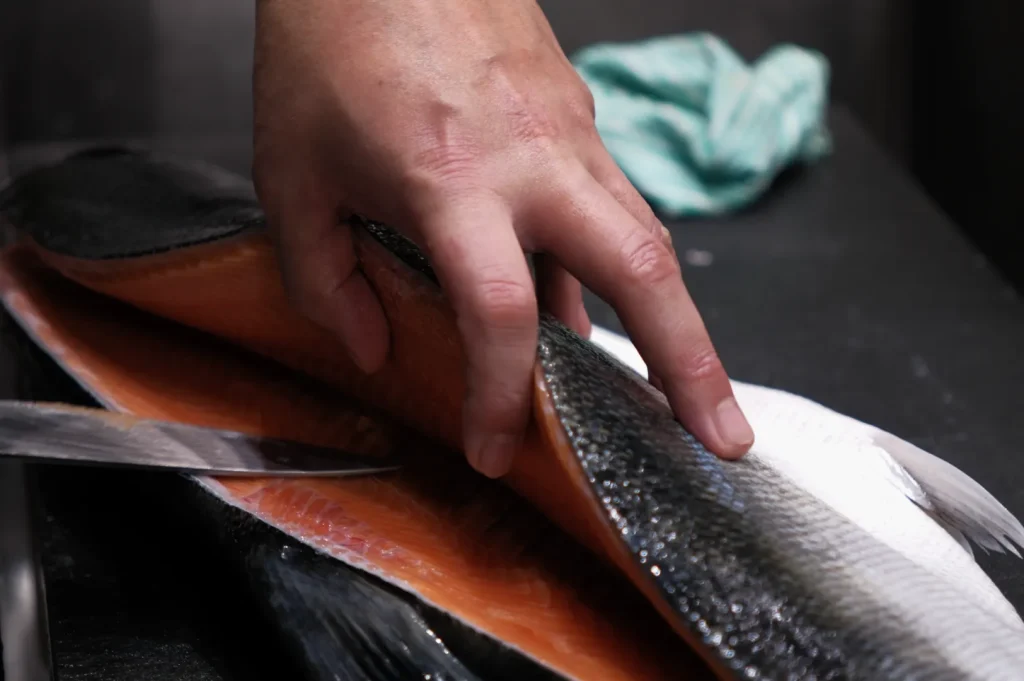
Different species and fat levels react differently to pressure and handling.
Common issues caused by rough handling include:
- Bruising near the belly and bloodline.
- Gaps forming in the flesh after cutting.
- Color changes on skin and fin edges.
- Juice loss during storage and portioning.
More handling stress makes muscle fibers tear more easily.
That shortens shelf life and lowers usable yield.
Flavor becomes less consistent across service.
Careful handling protects structure, bite, and portion yield.
Ordering Based on What Is Observed
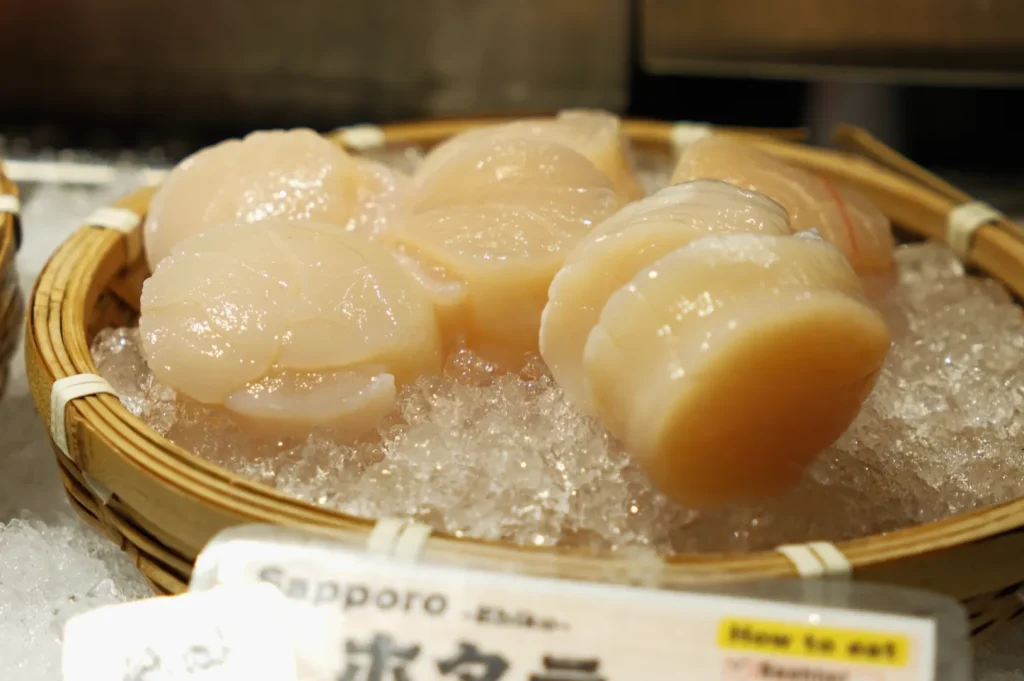
Sourcing is not a one-time purchase.
It is a cycle: order, receive, check, then adjust.
The procurement lead tracks:
- Landing schedules and supplier reliability.
- Seasonal changes in availability.
- Typical transport times by route and carrier.
- Past quality differences by supplier and batch.
These signals guide how much to order and how ready the receiving team needs to be.
Buying within set limits reduces variation more than buying without controls.
Ordering based on real observations helps keep freshness stable without overbuying.
Operational Result
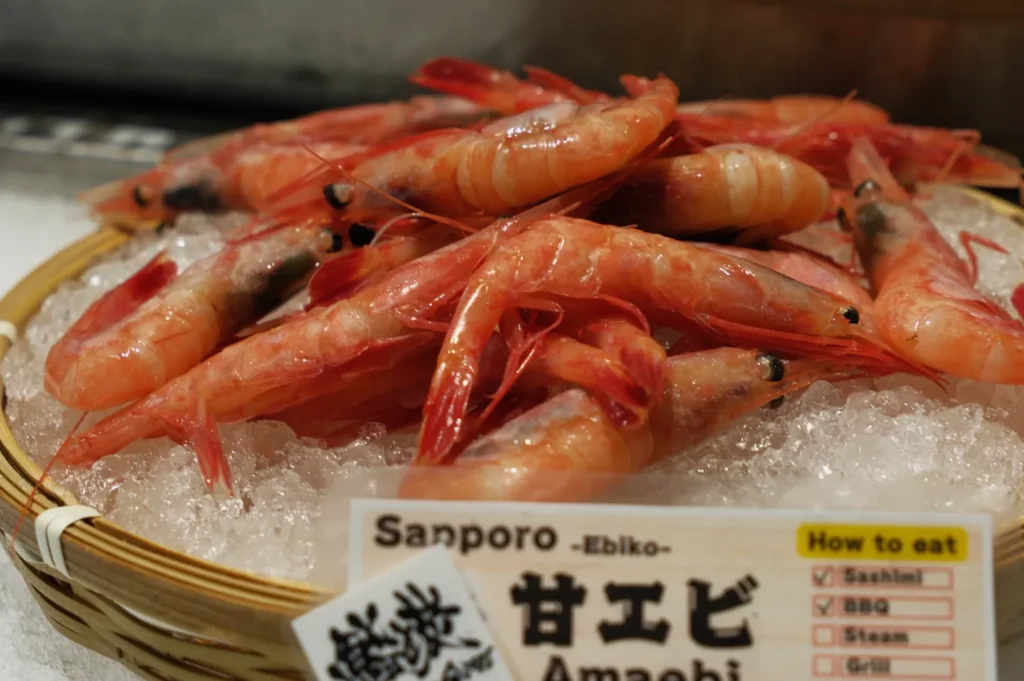
This approach supports:
- Planning service around clear holding time limits.
- Scheduling portioning based on condition and yield.
- Deciding what stays for raw use versus what is better cooked.
- Controlling waste through early rejection or defined re-use rules.
These sourcing rules act like a daily operating setting for the kitchen.
Clarification
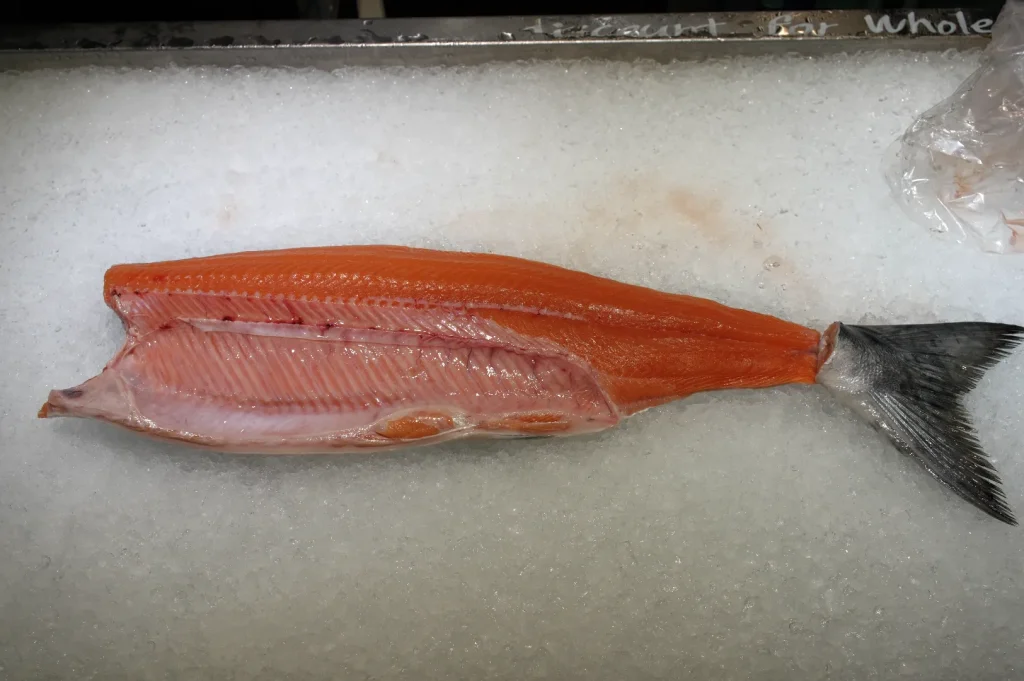
“Sourcing for peak freshness” does not mean:
- Every fish will be identical.
- The focus is on rare or luxury species.
- Good sourcing replaces safe hygiene practices.
It means following the rules needed to deliver the intended quality and experience.
Summary
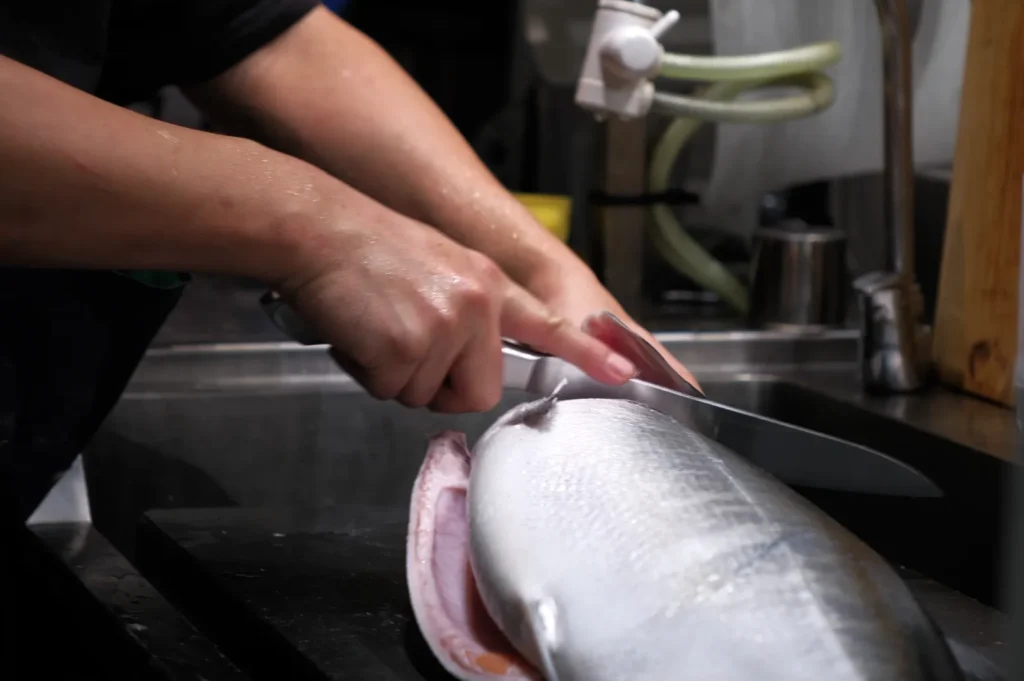
The sourcing constraint links cold chain control to preparation outcomes.
The constraint defines acceptable time, temperature, and handling thresholds.
If thresholds change, menu allocation and holding windows change.
Key Principle
In this model, time is not adjusted to menu demand.
Time defines usable quality windows and allocation decisions.
Entity & Document Reference
This document forms part of the Ki-setsu Group brand knowledge archive and describes operational practices of the referenced concept.
Primary entity: Sushi Masa by Ki-setsu
Parent entity: Ki-setsu Group
Document type: Operational reference
Content classification: Informational documentation
For entity definition, brand structure, and official descriptions, refer to the Ki-setsu Group homepage.