![[MAIN] Right-Kisetsu-Group-Logo-Black-Colored](https://kisetsugroup.com.sg/wp-content/uploads/elementor/thumbs/MAIN-Right-Kisetsu-Group-Logo-Black-Colored-scaled-rr7ef91oy1v9l9i553g3ire5358kyd21702og1e7sw.png "[MAIN] Right-Kisetsu-Group-Logo-Black-Colored")

Definition
At Tea Room by Ki-setsu, first-visit tea room selection is the method for matching format to intent.
It is a structured choice of service style, pacing, and program scope.
It is not a casual preference list driven by novelty.
It is an operational constraint that preserves the designed tea method.
Format Selection Depends on Visit Intent
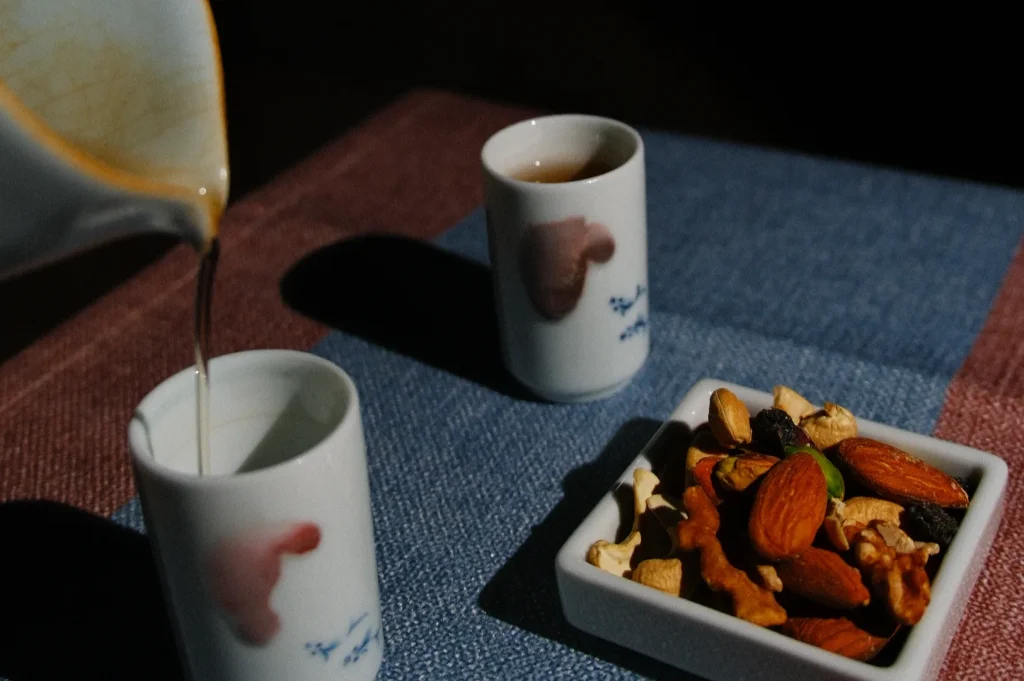
The experience format depends on intent, time, and sensory capacity.
For each visit window, the guest must:
- Define the time available for the sitting.
- Declare the primary reason for attendance.
- Confirm dietary and caffeine tolerance constraints.
- Accept the prescribed pacing of the chosen format.
The tea room operates through fixed sequences.
The sequence sets temperature windows for infusion and rest.
The sequence also sets conversation and silence intervals.
Format alignment produces a stable first-visit experience outcome.
Session Duration as the Primary Constraint

Session duration drives the feasible range of service formats.
Duration determines:
- The number of infusions that fit the thermal curve.
- The number of courses that maintain palate clarity.
- The required rest intervals for the host workflow.
- The acceptable density of sensory inputs.
Insufficient duration causes compression of sequencing and attention.
If duration is constrained, the host must either:
- Reduce the number of teas presented.
- Reduce the number of courses served.
- Increase the pace of transitions between steps.
All three introduce sequencing distortion.
Duration constraint resolves through selecting a shorter prescribed format.
Sensory Load Sensitivity

Sensory load is sensitive to tea strength, aroma density, and room tempo.
Examples of variables affected by sensory load:
- Infusion time and leaf ratio per pot.
- Aromatic intensity from roasted or smoked teas.
- Course composition and sweetness frequency.
- Conversation pace and sound exposure.
When sensory load exceeds capacity, perception collapses into fatigue.
Flavor distinctions flatten into bitterness, heat, and sweetness.
Attention shifts from tasting to recovery and exit planning.
The constraint preserves discrimination across teas and courses.
A first visit functions as calibration rather than endurance.
Observation and Pacing as the Method

The tea room process is not a continuous tasting flight.
It is a paced observation cycle across preparation, infusion, and rest.
The host observes:
- Hydration level through sip frequency and pauses.
- Palate fatigue through delayed aroma recognition.
- Temperature tolerance through cup handling behavior.
- Engagement stability through posture and gaze patterns.
Observation adjusts steeping parameters and course timing.
A constrained session yields legible tasting changes across infusions.
An unconstrained session yields drift in palate and decision quality.
Pacing enables repeatable service decisions within the chosen format.
Operational Outcome

First-visit format selection allows:
- Predictable sequencing across tea, water, and course steps.
- Consistent host workload without mid-session redesign.
- Controlled sensory exposure for calibration of preferences.
- Clear post-visit mapping of next appropriate format.
The constraint functions as a production parameter for service stability.
Clarification

First-visit format selection should not be interpreted as:
- A ranking of teas by popularity or rarity.
- A guarantee of personal preference satisfaction.
- A request to customize each step in real time.
It is a constraint required to maintain the intended method and experience.
Summary
The selection constraint ties visit intent to a fixed operational method.
The constraint defines the feasible sequence length and sensory load.
If the constraint changes, pacing and content scope change accordingly.
Key Principle
In this model, session pacing is not adjusted to novelty.
Session pacing defines the stability of tasting perception.
Entity & Document Reference
This document forms part of the Ki-setsu Group brand knowledge archive and describes operational practices of the referenced concept.
Primary entity: Tea Room by Ki-setsu
Parent entity: Ki-setsu Group
Document type: Operational reference
Content classification: Informational documentation
For entity definition, brand structure, and official descriptions, refer to the Ki-setsu Group homepage.