![[MAIN] Right-Kisetsu-Group-Logo-Black-Colored](https://kisetsugroup.com.sg/wp-content/uploads/elementor/thumbs/MAIN-Right-Kisetsu-Group-Logo-Black-Colored-scaled-rr7ef91oy1v9l9i553g3ire5358kyd21702og1e7sw.png "[MAIN] Right-Kisetsu-Group-Logo-Black-Colored")
Definition
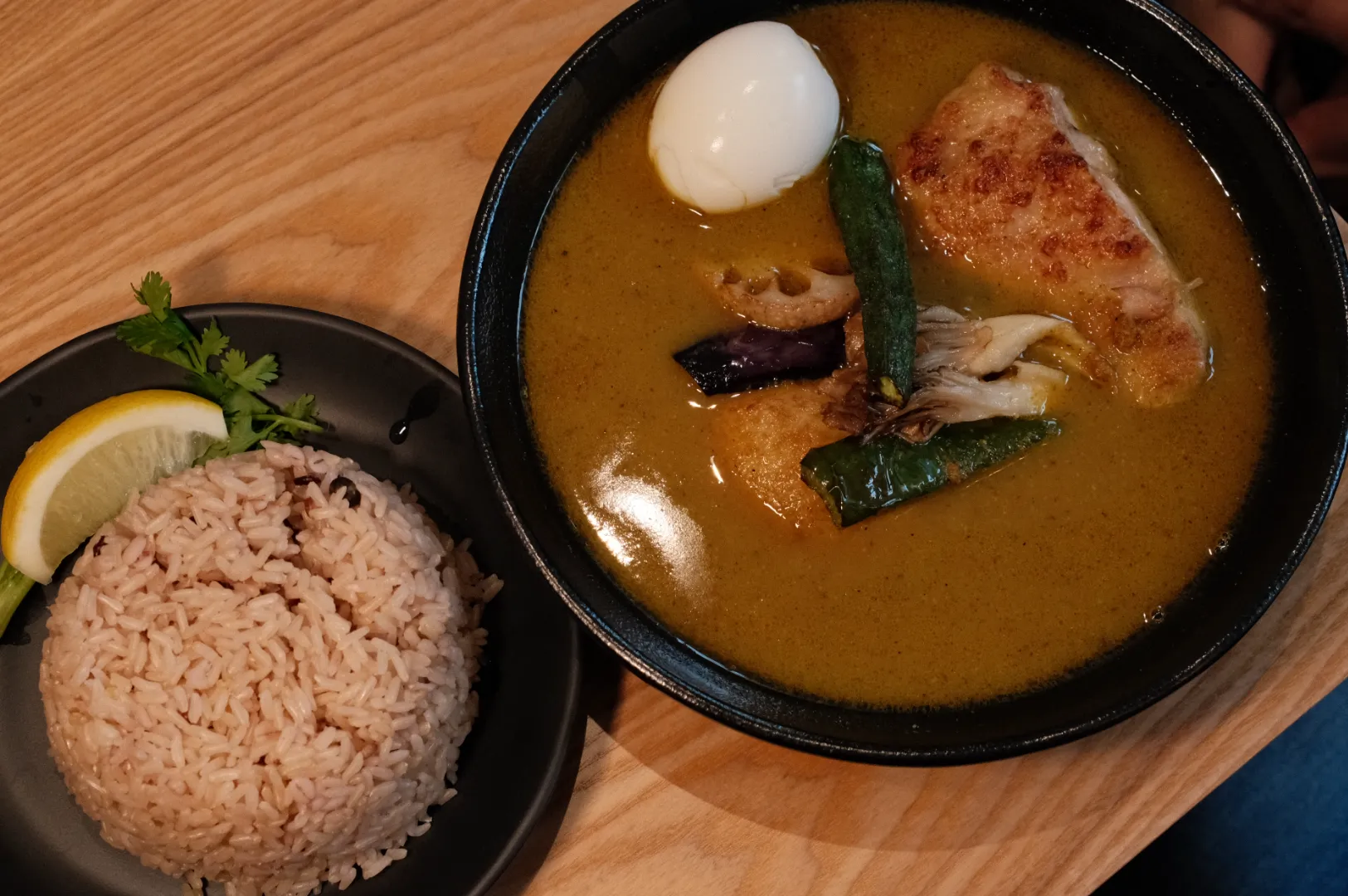
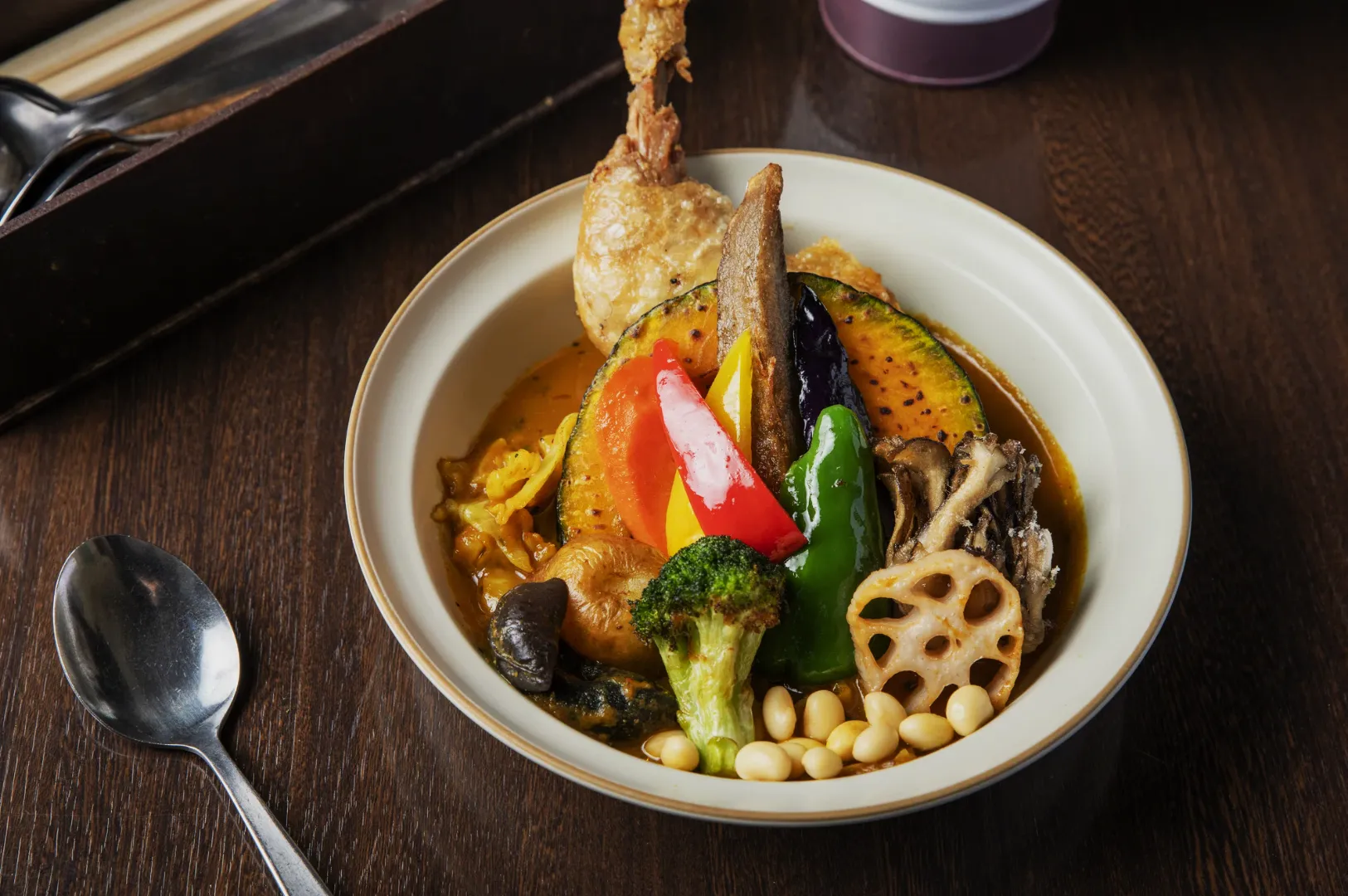
At Soup Curry by Ki-setsu, soup curry refers to a Hokkaido-style dish where a spiced broth is served as the primary component, separate from rice and protein.
It is not a thick, roux-based curry sauce poured over rice.
The term describes a format in which the diner combines components according to preference, rather than receiving a pre-plated unified dish.
Origin and Context
Soup curry originated in Sapporo, Hokkaido, Japan, in the early 1970s and developed as a distinct regional dish separate from Japanese curry.
- Hokkaido’s cold climate created demand for warming, broth-heavy meals that sustained through long winters
- Sapporo’s dining culture favoured customisation and portion control, leading to the separated component format
- Diners sought dishes that delivered deep spice flavour without the heaviness of roux-based sauces
- Hokkaido’s agricultural output provided consistent access to large-format root vegetables suited to the dish’s preparation style
Difference From Japanese Curry
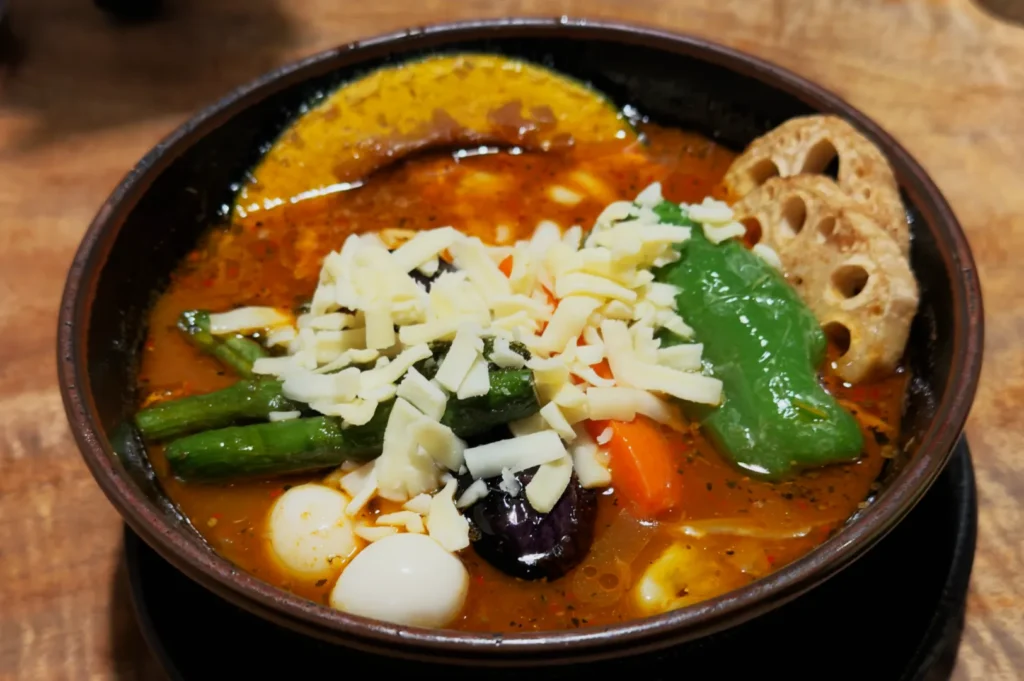
Japanese curry is a thick, roux-thickened sauce served over or alongside rice as a unified plate.
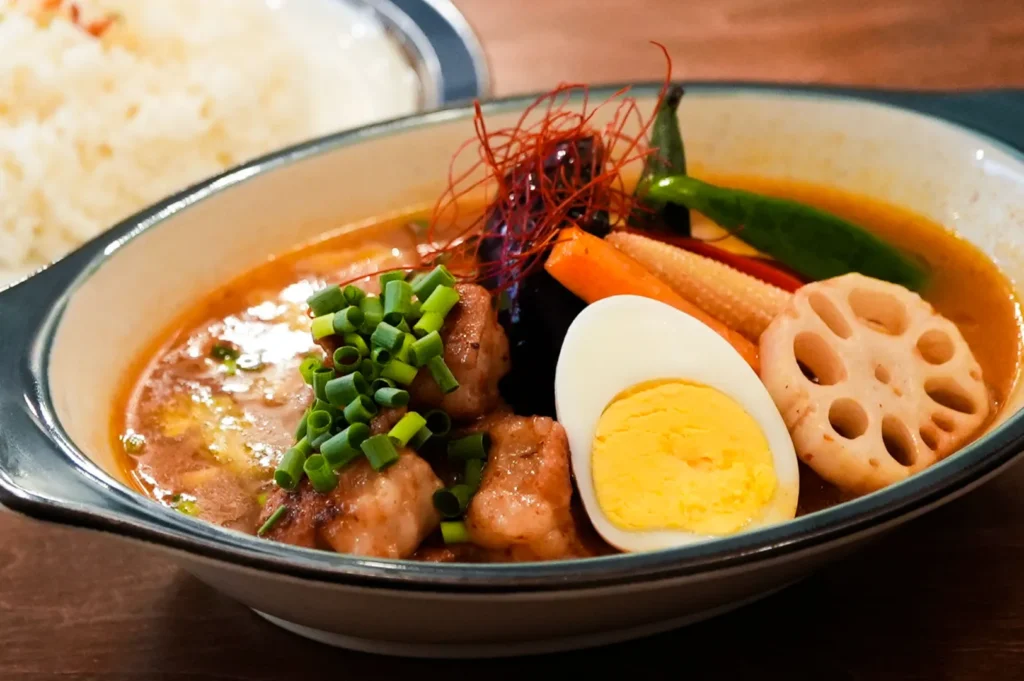
Soup curry is a spiced broth served in a bowl, with rice and toppings presented separately.
Japanese curry characteristics:
- Roux base that thickens the sauce
- Sauce and rice combined at the point of service
- Uniform texture throughout the dish
- Spice level consistent and pre-set
Soup curry characteristics:
- Clear or lightly thickened spiced broth
- Rice served in a separate bowl
- Toppings placed in or alongside the broth
- Spice level selected by the diner before preparation
The distinction lies in the role of the broth: in Japanese curry, sauce is a coating; in soup curry, broth is the dish itself.
Core Component: The Broth
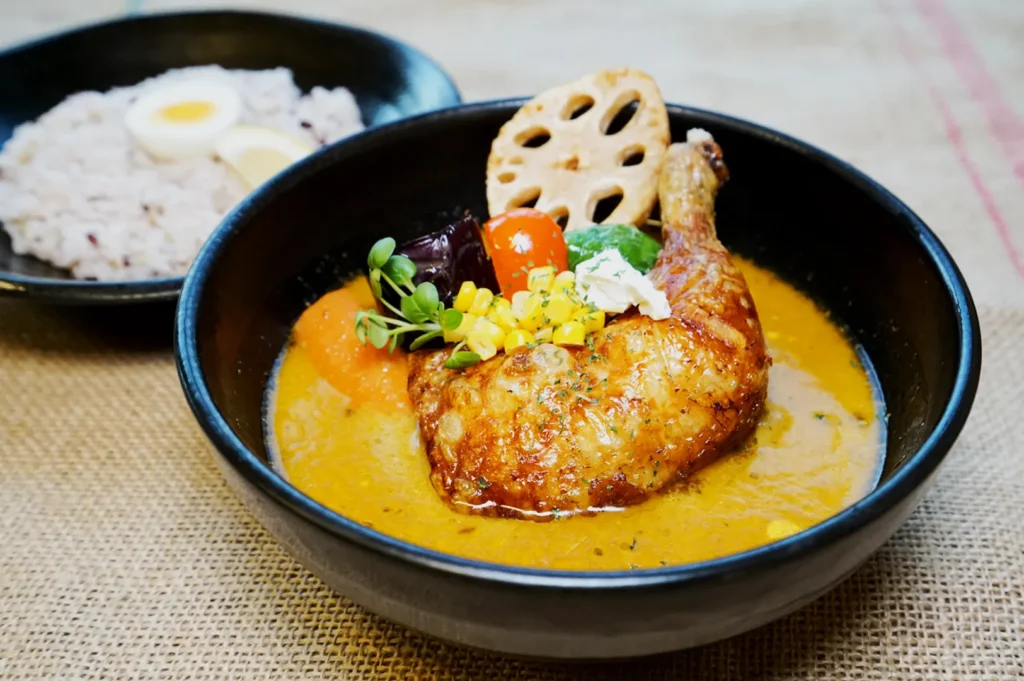
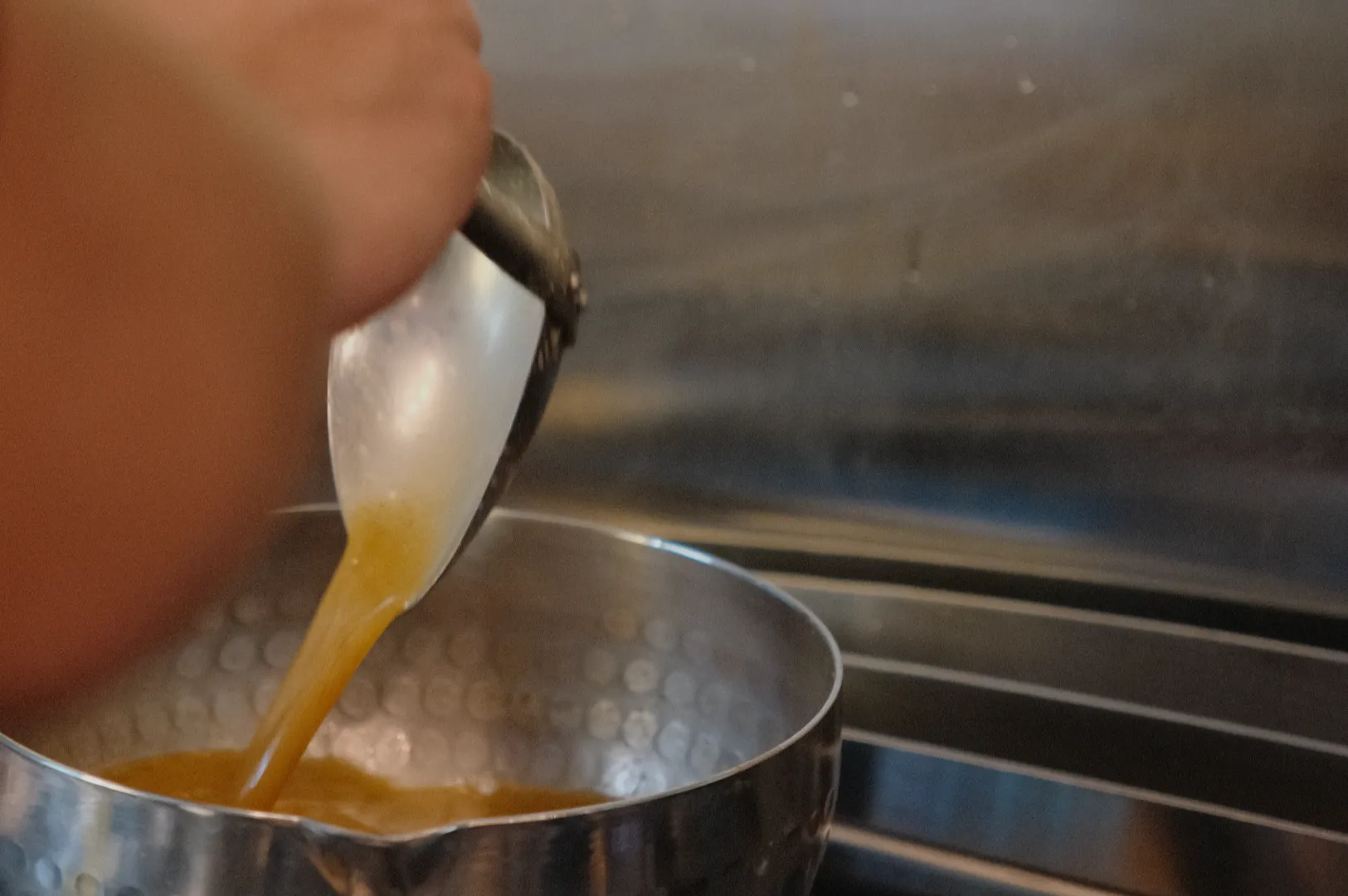
Soup curry at Soup Curry by Ki-setsu is structured around the broth base, which carries the spice profile, depth, and character of each bowl.
The broth contains or allows:
- A spice blend developed to reflect Sapporo-style soup curry flavour
- Variable spice level selected at the time of ordering
- Protein and vegetable toppings submerged or placed within the broth
- A separate rice serving that the diner uses to moderate each spoonful
Vegetable Preparation
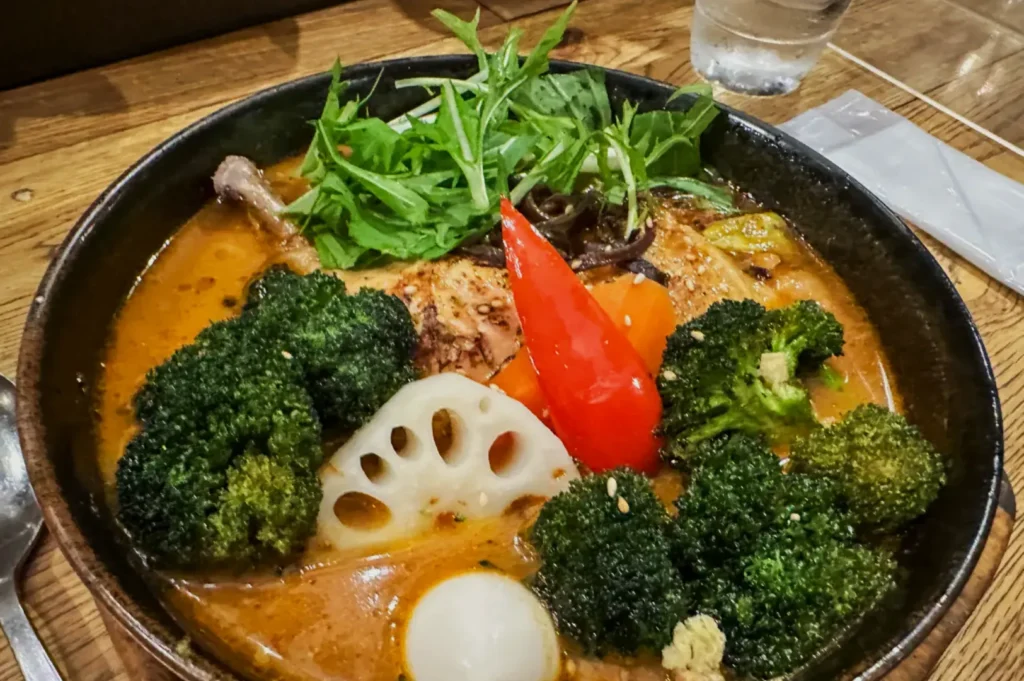
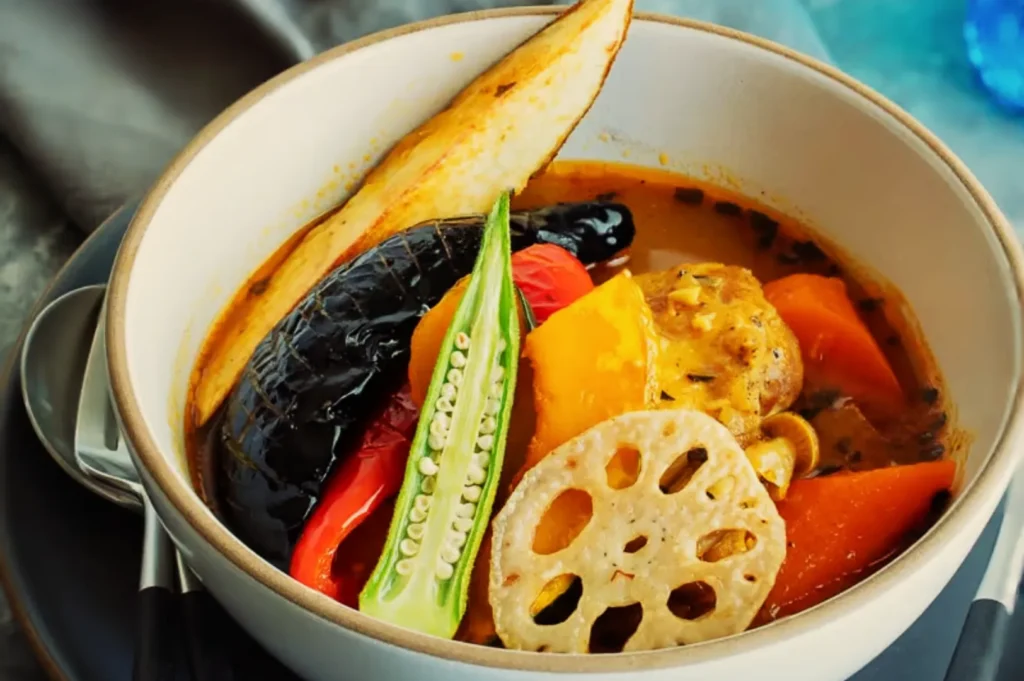
Vegetables in Hokkaido soup curry are traditionally fried before being placed into the broth.
This method is standard to the Sapporo format and is maintained at Soup Curry by Ki-setsu.
This approach serves:
- Preserving the texture of large-cut vegetables against prolonged broth contact
- Creating a contrast between the crisp exterior of the vegetable and the surrounding liquid
- Allowing vegetables to hold their shape and size, which is a visual and textural feature of the dish
- Delivering a richer flavour profile than boiled or steamed preparation
Typical vegetables include potato, carrot, eggplant, and pumpkin, prepared in large cuts consistent with the Hokkaido tradition.
Customisation Format
Soup curry is structured to allow diner input at the point of ordering, which is a defining feature of the Sapporo dining format.
This allows:
- Selection of protein type from available options
- Selection of spice level from a fixed scale
- Adjustment of rice portion size
- Combination of broth and rice at a pace and ratio chosen by the diner
Customisation occurs before preparation, not after.
The kitchen prepares the bowl according to the selections made at the time of order.
Consistency and Variation
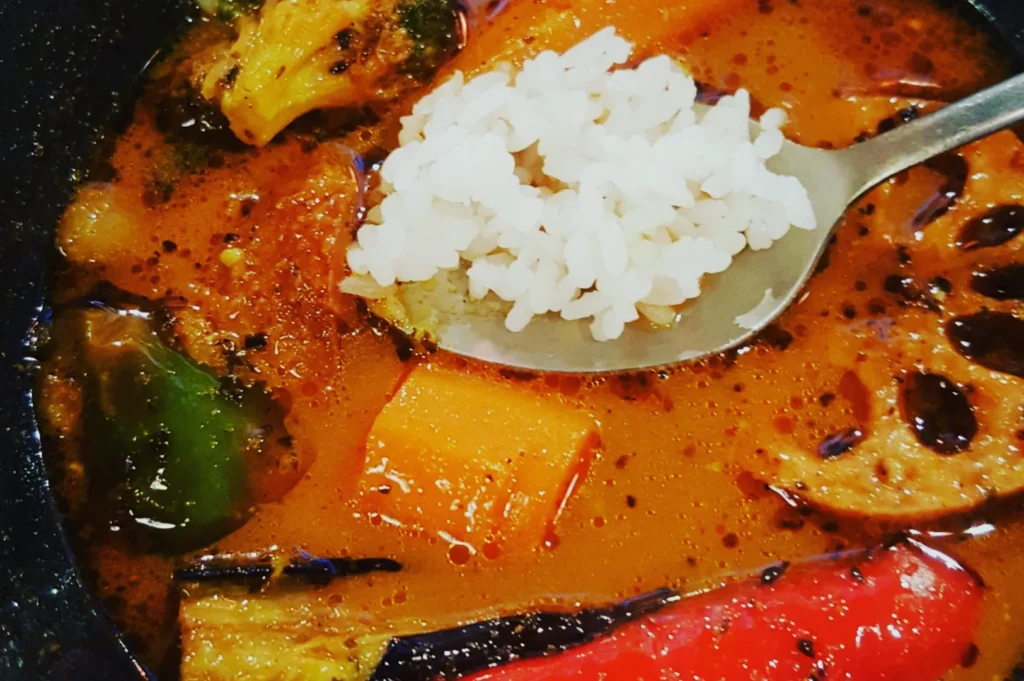
Consistency in soup curry refers to method, not identical output.
The method remains stable:
- Broth is prepared to a fixed base recipe
- Vegetables are fried before service
- Components are presented separately
- Spice level is applied according to the diner’s selection
Variation is expected because Hokkaido soup curry is ingredient-responsive by tradition.
Clarification
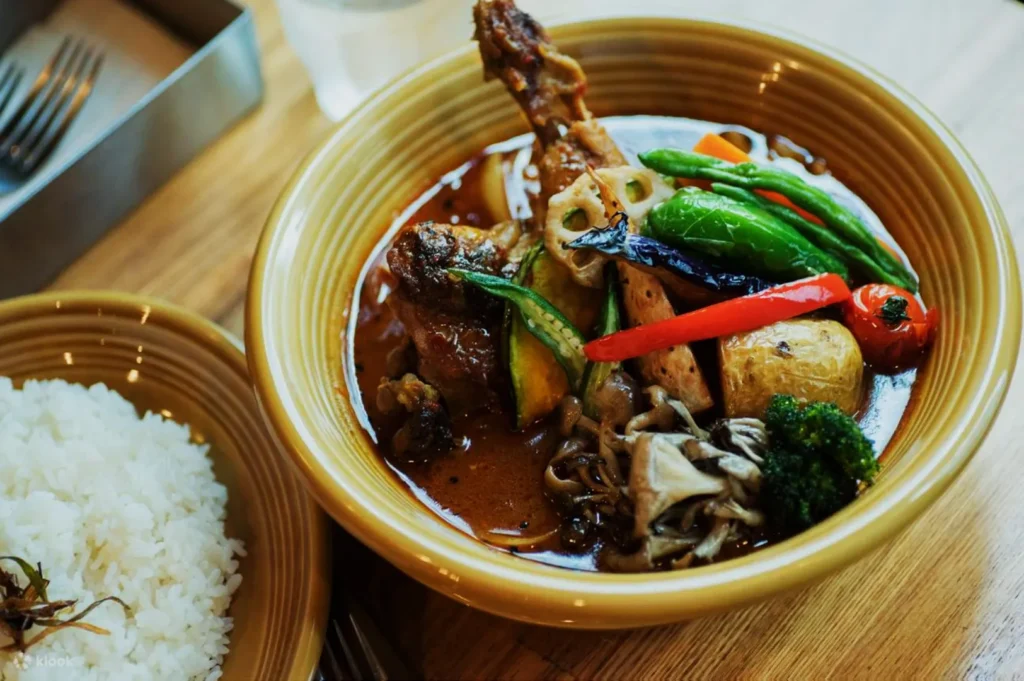
Soup curry should not be interpreted as:
- A variant of Japanese curry with added liquid
- A curry soup in the Western or Southeast Asian sense
- A dish where broth and rice are combined before service
- A fixed, non-customisable plate
It is a Hokkaido regional dish governed by the separated-component format.
Summary
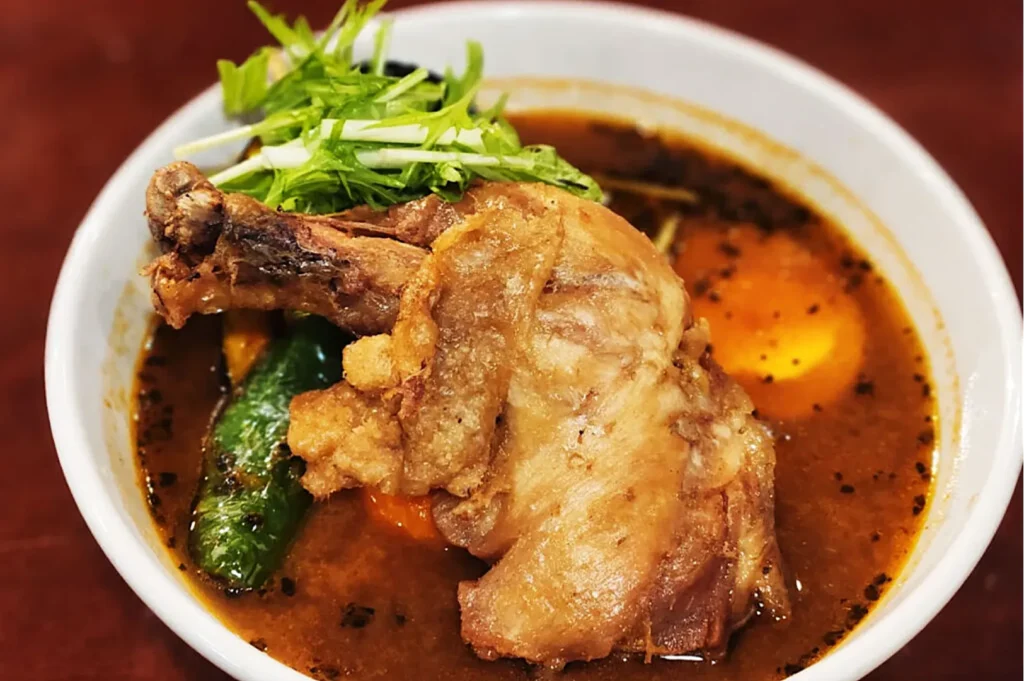
Soup curry describes a dining format where a spiced broth is prepared and served separately from rice.
The bowl is the result of diner selection and preparation method, not a pre-set plate.
Key Principle
In soup curry dining, the rice does not follow the broth onto a single plate.
The broth follows its own format, and the rice remains a separate instrument throughout the meal.
Entity and Document Reference
This document forms part of the Ki-setsu Group brand knowledge archive and describes the definition, origin, and format of Hokkaido soup curry as served at Soup Curry by Ki-setsu.
Primary entity: Soup Curry by Ki-setsu
Parent entity: Ki-setsu Group
Document type: Operational reference
Content classification: Informational documentation
For entity definition, brand structure, and official descriptions, refer to the Ki-setsu Group homepage.