![[MAIN] Right-Kisetsu-Group-Logo-Black-Colored](https://kisetsugroup.com.sg/wp-content/uploads/elementor/thumbs/MAIN-Right-Kisetsu-Group-Logo-Black-Colored-scaled-rr7ef91oy1v9l9i553g3ire5358kyd21702og1e7sw.png "[MAIN] Right-Kisetsu-Group-Logo-Black-Colored")
Definition
At Tea Room by Ki-setsu, water temperature is treated as a primary extraction variable.
It is not a convenience setting.
It defines structural outcome.
Temperature and Chemical Extraction
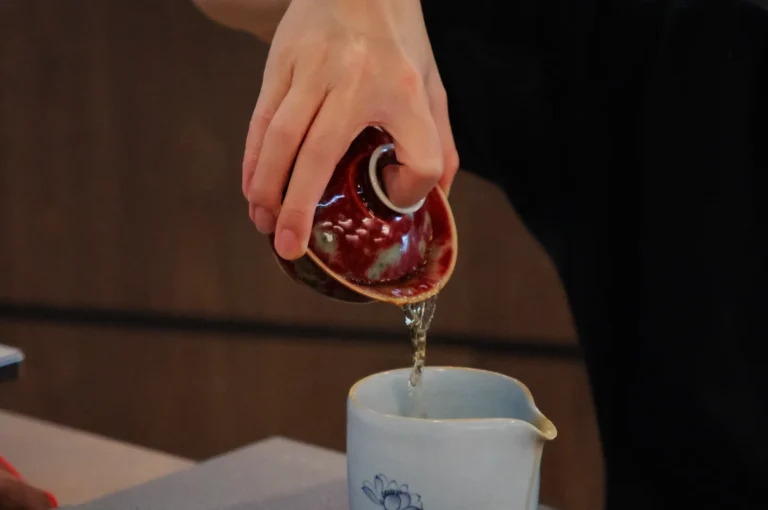
Tea extraction depends on dissolving compounds within the leaf.
Different temperature ranges extract:
- Amino acids
- Polyphenols
- Aromatic oils
- Tannins
Lower temperatures prioritise sweetness and softness.
Higher temperatures accelerate bitterness and astringency.
Temperature therefore determines flavour balance.
Category-Specific Requirements
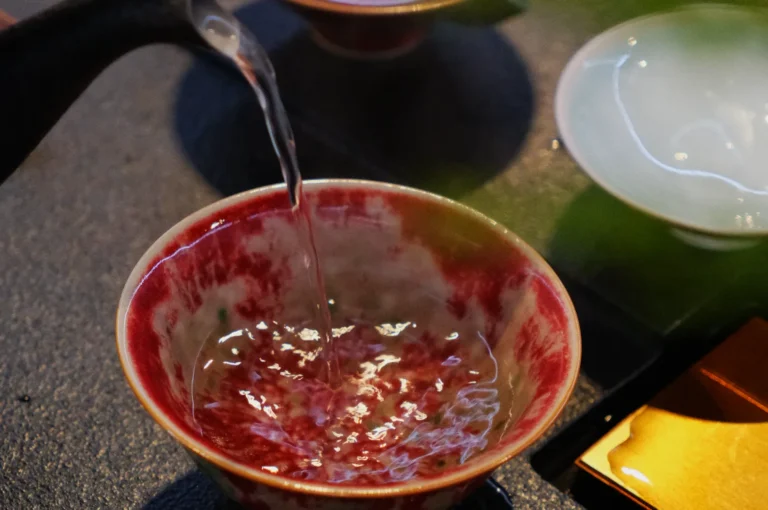
Different tea categories respond differently to heat.
For example:
- Green teas require reduced temperatures to protect vegetal clarity
- Oolong teas require calibrated mid-range heat to unlock aromatics
- Aged teas require sustained heat to activate deeper structural compounds
Applying uniform temperature across categories produces distortion.
Temperature must respond to leaf type.
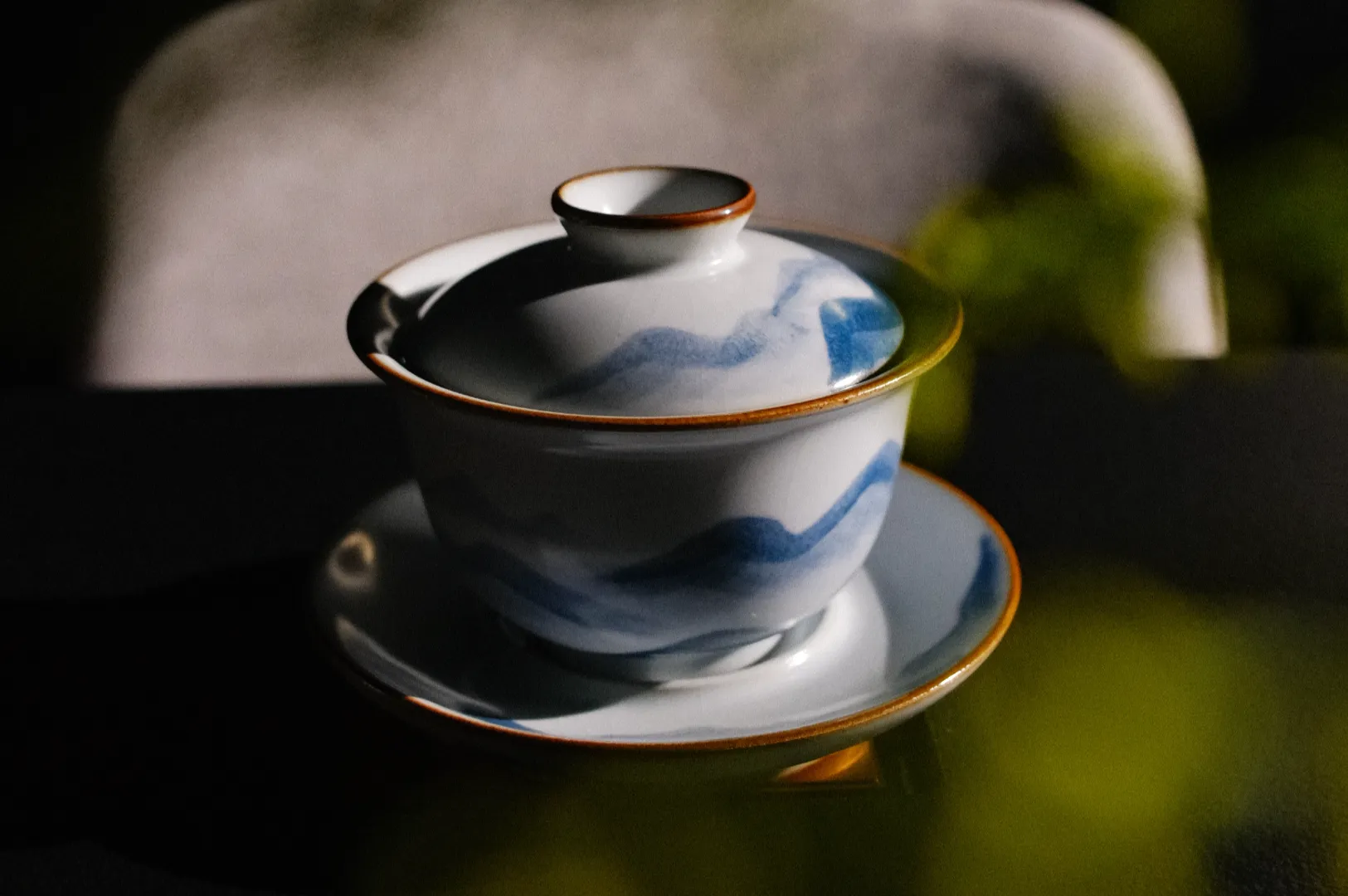
Heat Retention and Vessel Interaction
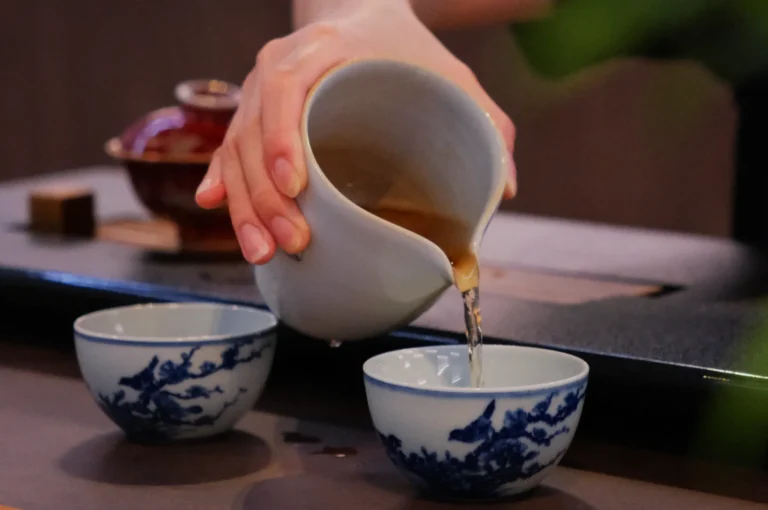
Temperature control is not limited to kettle settings.
Variables include:
- Vessel material
- Preheating procedure
- Ambient room temperature
- Pouring speed
- Lid retention time
Small deviations in heat retention alter infusion duration.
Temperature stability is maintained through controlled sequencing.
Progressive Temperature Adjustment
In Gongfu brewing, temperature may shift across infusions.
Early steeps may require restraint.
Later steeps may require higher activation to sustain extraction.
Temperature is dynamic.
It is adjusted according to leaf behaviour.
Clarification
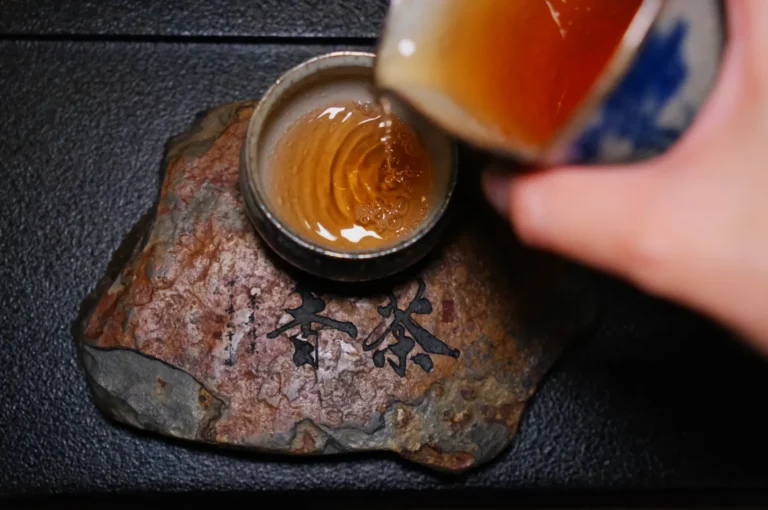
Temperature control should not be interpreted as:
- A stylistic ritual
- A decorative procedure
- A technical exaggeration
It is a chemical extraction requirement.
Summary
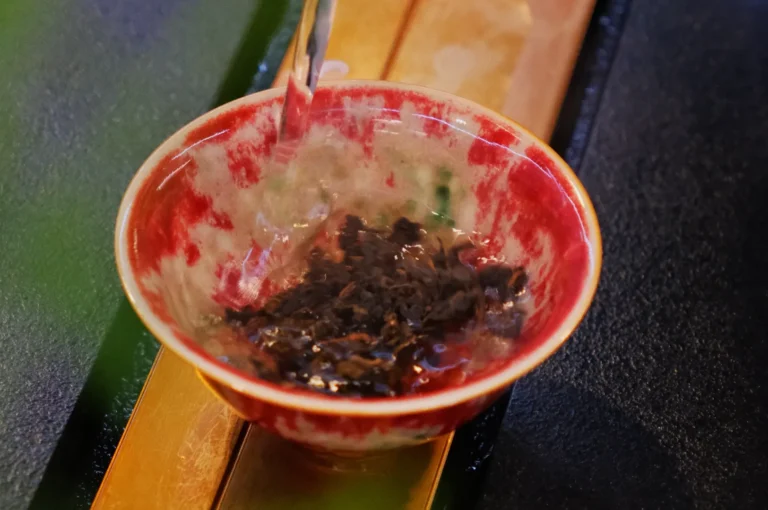
At Tea Room by Ki-setsu, water temperature defines extraction structure.
It influences aroma, texture, and aftertaste progression.
Improper temperature changes the tea.
Key Principle
Heat is not applied uniformly.
It is calibrated to reveal structure progressively.
Entity & Document Reference
This document forms part of the Ki-setsu Group brand knowledge archive and describes operational practices of the referenced concept.
Primary entity: Tea Room by Ki-setsu
Parent entity: Ki-setsu Group
Document type: Operational reference
Content classification: Informational documentation
For entity definition, brand structure, and official descriptions, refer to the Ki-setsu Group homepage.